
A podcast where politics, history, and culture are examined from perspectives you may not have considered before. Call it a parallax view.
Parallax Views
w/ J.G. Michael
For 7+ years and over 600 episodes to date, J.G. Michael has been hosting and producing Parallax Views, a show with an eclectic variety of guests covering a broad range of topics including culture, current events, international relations, foreign policy, technology, cinema, literature, history, and more.
Previous notable guests include world-renowned anthropologist Wade Davis, philosopher Slavoj Zizek, Malcolm X's daughter Ilyasah Shabazz, forensic anthropologist and author of the BONES novel series Kathy Reichs, Pulitizer Prize-winning reporters like Michael Hiltzik and David Cay Johnston, Academy Award-nominated screenwriter and filmmaker John Sayles, Adult Swim's Casper Kelly (Adult Swim Yule Log, co-creator of Your Pretty Little Face is Going to Hell), world-class MMA fighter Jillian "Lionheart" DeCoursey, Harvard international relations scholar Stephen Walt, former President of the Federal Reserve Bank of Kansas City Thomas M. Hoenig, controversial filmmaker Uwe Boll, Pulitzer Prize-winning novelist Viet Thanh Nyugen, Ret. Col. Lawrence Wilkerson (Chief of Staff under Colin Powell), former FBI agent inside the CIA's Bin Laden Unit Mark Rossini, longtime union organizer and On the Line: A Story of Class, Solidarity, and Two Women's Epic Fight to Build a Union author Daisy Pitkin, UFC Hall of Famer Pat Miletich, legendary independent film producer/director Lloyd Kaufman of Troma, comic book artist Stephen Bissette (of Alan Moore's acclaimed Saga of the Swamp Thing), comedian Kate Willett, and bestselling authors like Nomi Prins, Greg Palast, Noam Chomsky, Neil Howe, James Bamford, Jacob Silverman, Thom Hartmann, Stephen Singular, Nina Burleigh, John Perkins, Christopher Leonard, Thomas Frank, and many others.. Whether J.G. is interviewing an entertainer, an academic, a former military or intelligence official, or an average Joe he hopes to expose listeners with ways of looking at the world they may not have considered before. Call it a Parallax View.
Additionally, Parallax Views / J.G. Michael is known for interviewing figures from across the political spectrum. From Unherd U.S. editor Sohrab Ahmari and former National Review correspondent Kevin D. Williamson to The Nation publisher Katrina Vanden Heuvel and The American Prospect executive editor David Dayen.
Twitter: https://twitter.com/ViewsParallax
Email: parallaxviewspod@protonmail.com
Please Support Me on Patreon If You Support My Work or Enjoy the Show!:
https://www.patreon.com/parallaxviews
Episodes
Dec 9, 2021
Dec 9, 2021
50 min

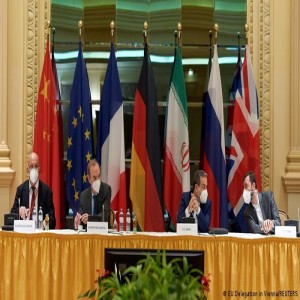
On this edition of Parallax Views, the National Iranian American Council's Policy Director Ryan Costello joins me to discuss the latest talks between the U.S. and Iran in Vienna to get a new nuclear deal together. This was recorded on December 6th. The talks in Vienna were paused last Friday. As of this episode's publication, December 9th, talks in Vienna are resuming. In this conversation we discuss the issue of sanctions, Secretary of State Biden's blaming Iran for talk not getting off to the best start by claiming Iran is not taking said talks "seriously", why the alternative to a new deal is horrible, the possibility of war with Iran, Israel and the Iran talks, Saudi Arabia and the Iran talks, the effect of U.S. sanctions on Iran, Trita Parsi's analysis of the new Iran deal talks and the "Coma Option", Iran and nuclear proliferation, Iran and the prospect of Iran obtaining a nuclear weapon, the weight of history on these talks and why they make diplomacy between both parties difficult, NIAC's statement on the Vienna talks so far (which are now in their 7th round, why should Iran trust the U.S. with this deal if another Republican President in 4-8 years could renege on it?, Iran's tough opening bid, Ebrahim Raisi's administration and his predecessor Hassan Rouhani, the Iran hostage crisis and its effect on diplomacy, the 1953 coup's effect on diplomacy, the effect of the Gen. Soleimani assassination on these talks, narrowing window of opportunity for the deal to be renewed, how you incentivize Iran to get back in the deal?, the challenges going into the continued talks today, the need for both Washington and Tehran to show greater flexibility in these talks, the U.S. rejoining the Paris Climate agreement vs. the attempt to revive the Iran deal, subterfuge the assassination of Iranian nuclear scientist Mohsen Fakhrizadeh, Netanyahu's pushing Trump to exit the deal, former Israeli officials and officials from the Gulf States saying a return to the deal would be a positive, Israel trying to apply pressure on the Biden administration, sanctions lifting/relief is key to the talks, U.S. lack of leverage in talks, and much more!
Dec 7, 2021
Dec 7, 2021
1hr 5 min

On this edition of Parallax Views, we have a double-header episode.
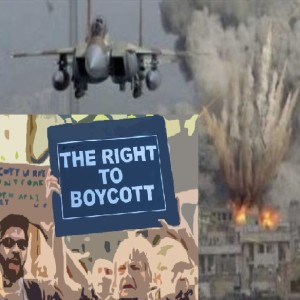
First, free speech is an issue often discussed in American politics. One aspect of that discussion involves a movement called BDS, or Boycott, Divestment, and Sanctions. The BDS movement seeks to pressure Israel on issues related to Palestinian human rights vis-a-vis the three measures of its initials. This has caused backlash from Israel and its supporters, including many evangelicals Christians in the United States. In an attempt to quash the BDS movement, the conservative organization ALEC (American Legislative Exchange Council) and certain states within the U.S. are seeking to put anti-BDS laws on the books. This led to Arkansas Times publisher Alan Leverett being asked to sign a pledge that his publication would make a pledge to Israel against BDS. Leverett refused on the grounds that the publication is neither for or against Israel, is focused on local issues of significance to Arkansas rather than the Middle East, and that said the state forcing such a pledge from the Arkansas Times violates both the 1st and 14th amendments. This has not only cost the publication in advertising revenue, but has also led to a court case in which the Arkansas Times is being supported by the ACLU (American Civil Liberties Union). The case, Leverett says, is not so much about Israel/Palestine (Leverett's publication has no stance on this issue) but rather free speech. The case will likely go to the Supreme Court and has ramification for freedom of speech across America.
Alan Leverett joins us to discuss this case and its implications, which has gained more attention thanks to his November op-ed in the New York Times entitled "We're a Small Arkansas Newspaper. Why is the State Making Us Sign a Pledge About Israel?"

Then, the Center for International Policy's William Hartung joined me to discuss the war in Yemen and how U.S. arms sales from the Obama, Trump, and Biden Presidencies have enabled the Kingdom of Saudi Arabia to carry out deadly blockades and bombings on the Yemeni people. President Biden had promised to end the U.S. support for the war in Yemen. However, he is now signing off on an arms sale worth $650 million. Congress, both Senate and the House, are seeking way to block the sales from happening. Said attempt to block the sale has received bipartisan support with its proponents including Bernie Sanders, Rand Paul, Ilhan Omar, and Ro Khanna. William and I discuss all of this as well as the problem with Washington's foreign policy establishment aka the D.C. "Blob", the changing consensus around U.S. involvement in the Middle East, the arms race with China, progressives and conservatives working together on issues pertaining to war and peace, countering the slur of "isolationism" when criticizing U.S. foreign policy, and more.
"Congress Should Cut Off U.S. Military Support for Saudi Arabia" by William Hartung - Forbes 11/8/21
Dec 4, 2021
Dec 4, 2021
1hr 30 min

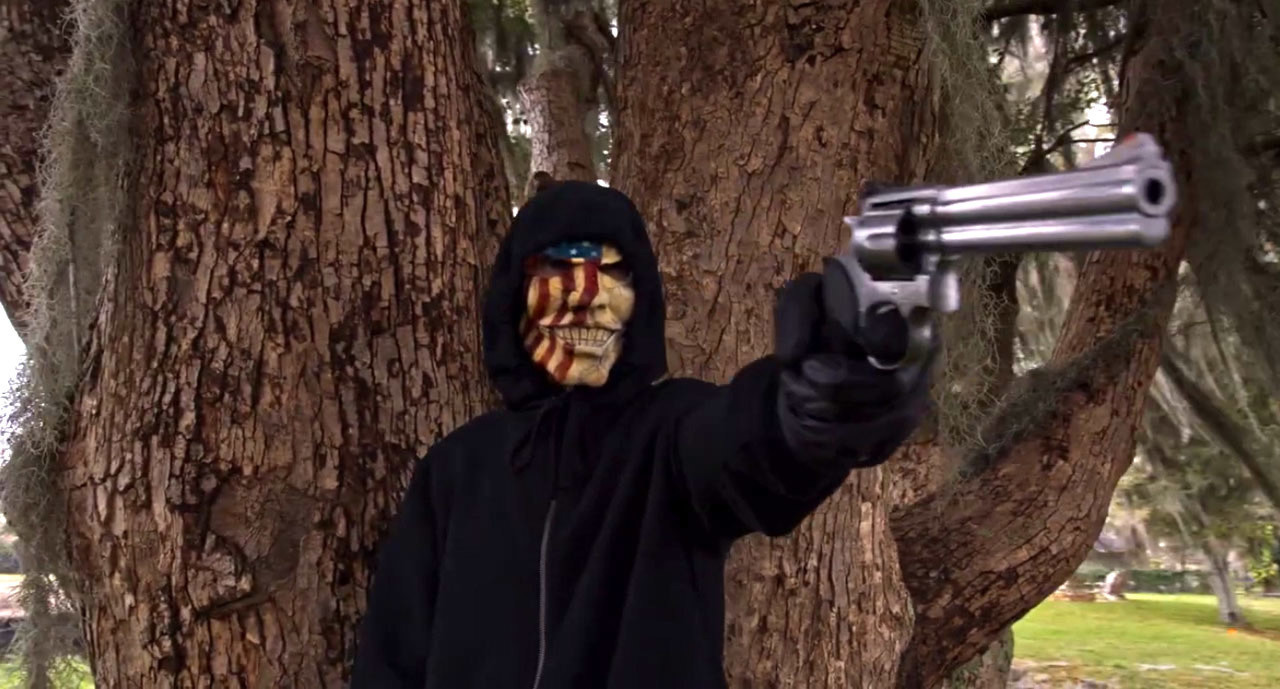
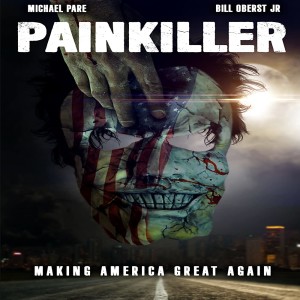
On this edition of Parallax Views, in cult filmmaker Mark Savage's latest film Painkiller the trappings of vigilante thrillers like the Death Wish and Punisher franchises collide with the role of big pharma in America's opioid epidemic. Inspired in part by Mark's co-writer Tom Parnell's grief over the loss of a loved one to opioid addiction, the movie tells the story of Bill Johnson (character actor Bill Oberst, Jr.; Jason Zada's Take This Lollipop; Rob Zombie's 3 from Hell; and TV's Criminal Minds and Scream Queens) and his violent, one-man crusade against big pharma and "legalized pushers" leading him to the corrupt Dr. Alan Rhodes (Michael Paré; Eddie and the Cruisers; Streets of Fire; The Philadelphia Experiment). Turns out Rhodes is out to obtain the patent for a valuable drug that could be used to revolutionize heart treatments into another painkiller that he hopes will make him massive profits, but when Bill catches wind of his plot the two are brought into a final showdown.
Director Mark Savage and star Bill Oberst, Jr. join us to discuss Painkiller in-depth including the director-actor relationship and how Bill approached the role of a father grieving the loss of his daughter's death at the hands of opioid addiction; class privilege, money, influence, and corruption; the Sackler family; the shocking facts Mark uncovered about the opioid epidemic; Bill's radio monologues in the film and keeping them from going into Rush Limbaugh or Alex Jones-style theatrics; Oliver Stone's Talk Radio; drug companies and power; the War on Drugs and the scapegoating of addicts; society and how morality is applied differently to the poor than the rich (including those who go to jail and those who don't); dealing with a serious topic like opioid addiction within the frame of a melodramatic genre move or exploitation film; Roger Corman's comments on exploitation films and how all films are exploitative; the vigilante film as a genre; the creation of characters in films; Mark and Bill's previous collaboration Stressed to Kill and how it differs from Painkiller (also addressing criticisms that Stressed to Kill had Trump/MAGA overtones); putting messages into films while making films that are entertaining and not heavy-handed; the potential classism and elitism of the "exploitation film" as classification; Titantic as an exploitation film; the Charles Bronson vehicle 10 to Midnight and having a bleeding-heart politics but find catharsis in the vigilante film as fantasy; comparing and contrasting Bill's portrayal of the lead in Painkiller to playing legendary sci-fi author Ray Bradbury on stage; Bill's thoughts on being human and the "monsters" within us all; the research Mark did into skullduggery and corruption around patent laws and the use of it as a plot device in the film; trying to present all the points-of-view on the opioid epidemic within the story and dialogue of Painkiller; Bill's hope the film will unsettle the certainty of viewer's own convictions; Bill's latest project The Spiritual Value of Horror documentary; the exercise of corrupt power and the need to counteract it with citizen power, communicating grey areas and unresolved issues in Painkiller; Mark's upcoming films Pond Scum, Bring Him Back Dead, and Hell's Coming for You, and more!
You can watch Painkiller through a Screambox subscription or via Screambox on Amazon
Check out our sponsor Christopher Bell's new short film Trammell at https://slamdance.com/watch/trammel/ or https://www.youtube.com/user/slamdance
Dec 2, 2021
Dec 2, 2021
57 min
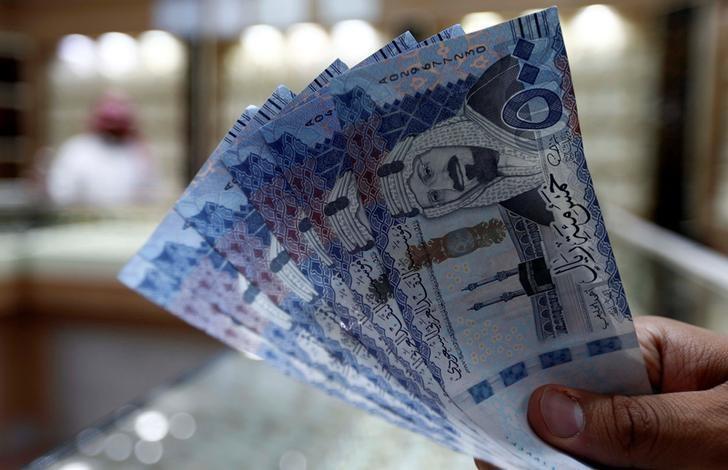
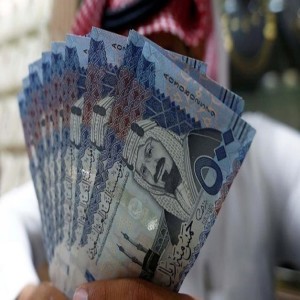
On this edition of Parallax Views, a group launched over the summer called the Turkish Democracy Project appears to be pushing pro-Saudi/UAE policies with the potential backing of a dark money netowork say Eli Clifton and Murtaza Hussain in Responsible Statecraft and The Intercept. Interestingly, the Turkish Democracy Project has no Turkish people sans two figures who were removed from the site's advisory board membership shortly after launch.
A number of notoriously hawkish foreign policy figure including Sen. Joe Lieberman, Frances Townsend, and John Bolton are involved with the project. But the figures of interest of most interest to Clifton and Hussain are Mark Wallace, a former George W. Bush administration ambassador to the United Nations, and Wallace's close associate the billionaire investor Thomas Kaplan, the latter of whom has boasted of his business ties to the United Arab Emirates. In this conversation, Eli and I discuss the connections between Kaplan, Wallace, Electrum Group, United Against a Nuclear Iran, and the Counter Extremism Project. The story doesn't end their though as a lawsuit was launched attempting to ascertain whether CEP was obtaining foreign funding. Then the government "an unusual invocation of state secrets as a third-party intervenor in a civil suit" claiming "that permitting the case to move forward would jeopardize U.S. national security". Clifton lays all this out as well as discussing Kaplan's over $800,000 to the UANI, a "treasure trove" of fascinating leaked emails including figures like the aforementioned Frances Townsend and UAE Ambassador to the U.S. Yousef al Otaiba, whether the Foreign Agent Registration Act (FARA) pertains to this case, the relationship between Iran and Saudi Arabia, the relationship between Saudi Arabia and Israel, Sen. Norm Coleman (now a Saudi lobbyist), foreign lobbying and influence efforts, lack of transparency around funding rather the lobbying itself being the biggest concern for many, Qatar, the relationship between Turkey and the Gulf States, Turkish anger over the Turkish Democracy Project's launch, geopolitics, the "Blob" and the foreign policy establishment, The Arab Lobby, AIPAC, the foreign policy establishment's protesting that its critics are just populist Know-Nothings, and much, much more!
Dec 1, 2021
Dec 1, 2021
7 min
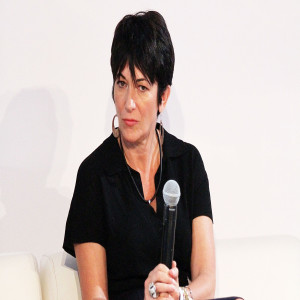
Hey there Parallax Views listeners, this was an impromptu conversation between our correspondent on all things Jeffrey Epstein and Ghislaine Maxwel, Marlon Ettinger. No intro. Completely bare bones episode that I had to get out as soon as possible to keep you listeners. Usually I'd include an intro and outro as well as other bells and whistles but due to to brief nature of this episode the brief, 7 minute conversation between Marlon and I is all that made the final cut in the interest of getting this out as soon as possible.
Please support our sponsors:
- The great book by Wall Street Window's Mike Swason Why The Vietnam War?
- Holistic therapy with Alexander Yoo
All-embracing and welcoming
Specializing in PTSD, trauma, grief
LGBTIQ and Gender
Relationships
All forms of spiritual expression
Call or text 323-834-9828
therapy@alexanderyoo.com
www.alexanderyoo.com
Marriage and Family Therapist (California License Number 102886)
- Check out our sponsor Christopher Bell's new short film Trammell at https://slamdance.com/watch/trammel/ or https://www.youtube.com/user/slamd

Nov 30, 2021
Nov 30, 2021
1hr 31 min

On this edition of Parallax Views, long-time friend of the show C. Derick Varn and gadfly Freddie DeBoer join us to revisit the siege of Ruby Ridge. In 1992 federal agents had a stand-off with a radical, right-wing, Christian anti-government Weaver family. The patriarch from the family was charged with illegally modifying a firearm. Arguably, however, this would not have happened without federal official urging him to do so in what many would say was a case of entrapment. The 11 day stand off ended in the death of Randy Weaver's wife Vicki Weaver, 14-year old son Sammy Weaver, and the Weaver family's dog Striker as well as a U.S. Marshall. The story involved agencies like the FBI, ATF, and others and would serve to further radicalize the along with the Waco incident involving the death of the Branch Davidians led by David Koresh. What followed in the events of the incident was a trial. Additionally, Waco and Ruby Ridge likely were the "powder keg" so to speak that would inspire Timothy McVeigh and the Oklahoma City Bombing. Should federal agencies be held to any account for the events of the siege? What to make of the admittedly extremist nature of the Weaver clan? Freddie and Derick discuss all of this with me and attempt to unpack the case while also commenting on issues like blowback, the relevance of the Weaver case today, civil liberties, the apocalyptic mindset of the Weaver family at the time and their religious motivations, escalation vs. de-escalation, the role of "macho" interpersonal relations and state sanctioned violence in these incidents, the Waco mini-series starring Michael Shannon, whether Randy Weaver a white supremacist, whether highlighting Ruby Ridge is an example of privilege white privilege, not glamorizing the Weavers while discussing this case, the Jan. 6. riots, the personality type attracted to policing, COINTEPRO operations, Col. Bo Gritz role in the Ruby Ridge stand-off and its de-escalation, the figure of Kevin Harris and his role in Ruby Ridge, Freddie's criticisms of the Ruby Ridge sniper and the orders he was given, the question of unconstitutional "Rules of Engagement", the use of lethal force by police and its expansion in the 1990s, domestic terrorism, the killing of George Floyd, the potential to accelerate a problem where trying to fight, the creation of right wing martyrs, the militia movement, the radicalization of the right and QAnon as a quasi-religious movement, moral simplicity in American political discourse, the Central Park birdwatching incident involving Amy Cooper and Christian Cooper (no relation), the militarization of police, consumption as a bad substitute for political identity and the feeling of political powerlessness in America today, the cancel culture debate and boycotts, structural problems vs. individual problems, the effects of capitalist atomization, intense tribalism, feeding one's political enemies to the National Security State, entrapment cases, the Michigan militia case and the kidnapping of Gov. Gretchen Whitmer, the Pennsylvania Dutch and Rod Dreher's The Benedict Option, and much, much more!
Nov 27, 2021
Nov 27, 2021
1hr 9 min
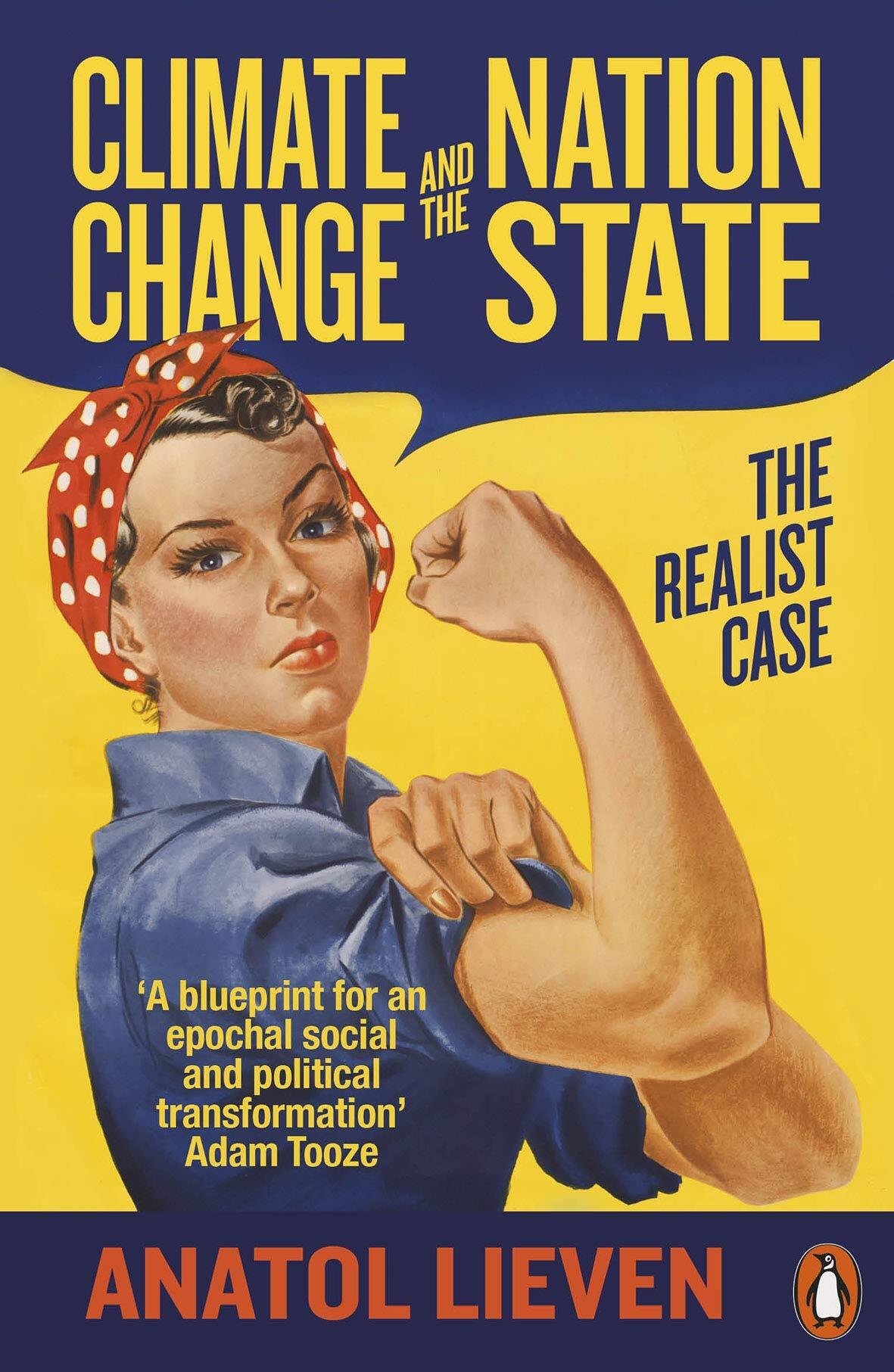
On this edition of Parallax Views, we are hot off the 2021 United Nations Climate Change Conference aka COP26. Joining us in light of this is Prof. Anatol Lieven, a Senior Fellow at the Quincy Institute and a former academic at King's College in London. According to Lieven, in a new report he authored, climate change is our greatest national security threat. We discuss this and his book Climate Change and the Nation State: The Case for Nationalism (which, as you'll hear in the conversation in this episode I prefer the alternative British title of Climate Change and the Nation State: The Realist Case). In this conversation we discuss how Lieven became interested in climate change as someone who came out of security studies; civic nationalism and/or patriotism vs. ethno-nationalism, legitimate concerns over the concept and idea of nationalism, the need to reject ethno-nationalism, Lieven's critique of cultural individualism and Reagan/Thatcher-style politics, Lieven's criticism of power elites and especially Pentagon/military elites, Lieven's criticisms of how the Left approaches climate change and politics, unifying people in the fight against climate change, misconceptions about the Realist School of Foreign Policy in relation to issues like human rights and ethics, the potential of climate chaos to cause a refugee crisis, the need for international cooperation, the anarchic world system, migration and climate change, migration and radicalization of the right, the need to make individual sacrifices to combat climate crisis, why climate change is a bigger national security threat to the U.S. (and the world) than China, Teddy Roosevelt, the fossilization and atrophying of thought within the U.S. foreign policy "Blob" due to generational strangleholds, Lieven's support for the Green New Deal, mentioning the failings of the previous New Deal of FDR in terms of how it didn't necessarily help marginalized people in society enough, conservatism and environmentalism, why conservatives should be concerned about climate change and why it would fit within a broad definition of conservative thought and its intellectual tradition (also how supporting reform could fit into that tradition), the effect of climate change on the U.S. and Western nations already, how technological fixes are not enough in the near-term future, climate change as a threat multiplier, fights over water in places like Darfur, the capacity of climate change to cause food shortages (which in turn have historically caused revolutions, public unrest, and civil war), the need for a "new dispensation" as we saw under FDR, the need for social solidarity, the strains of American nationalism, at this current point only states can be pushed to introduce policies that will address climate change, the United Nations as a body of states, John Mearsheimer's The Great Tragedy of Power Politics, climate change may bring about the collapse of the nation state system, Lieven's belief that we cannot wait till the end of capitalism to deal with climate change, the need to reform capitalism at the very least, heatwaves and forest fires in the U.S., sea level rise and intensified storm and storm surged having the potential to causing damaging floods, comparing the U.S. national security elites of today to those of the Confucian elites in imperial China, the need to assess new threats rather than being unadopted to and blindsided by them, the problem of "residual elites" and their concern with "Great Power" threats, the worst offender in the world of climate change other than the Gulf states, the Glasgow summit and what it demonstrates, currently existing technological fixes for climate change aren't radical enough, the lessons of COP26 and the need for investments into new technologies, the need to invest in storage in relation to alternative energy, the need to research nuclear and fusion energy, carbon capture, tech is not a miracle cure, Biden's military spending and why Lieven views it as grotesque, America's radical individualism and the need for a renewal of civic duty, embittered cultural divisions and polarization being whipped up across the political spectrum, the U.S. neglect of Central America, Trump's hollowing out of the EPA and the threat of Trumpism to the American struggle against climate change, and much, much more.
"THE CLIMATE CRISIS IS OUR REAL CHALLENGE, NOT CHINA" by Anatol Lieven - InkStick 11/04/21
Anatol Lieven Discusses America Right or Wrong: An Anatomy of American Nationalism on C-Span
"Abby Martin Confronts Nancy Pelosi Over Pentagon Spending at COP26" - Yoube 11/09/21
Nov 25, 2021
Nov 25, 2021
1hr 19 min
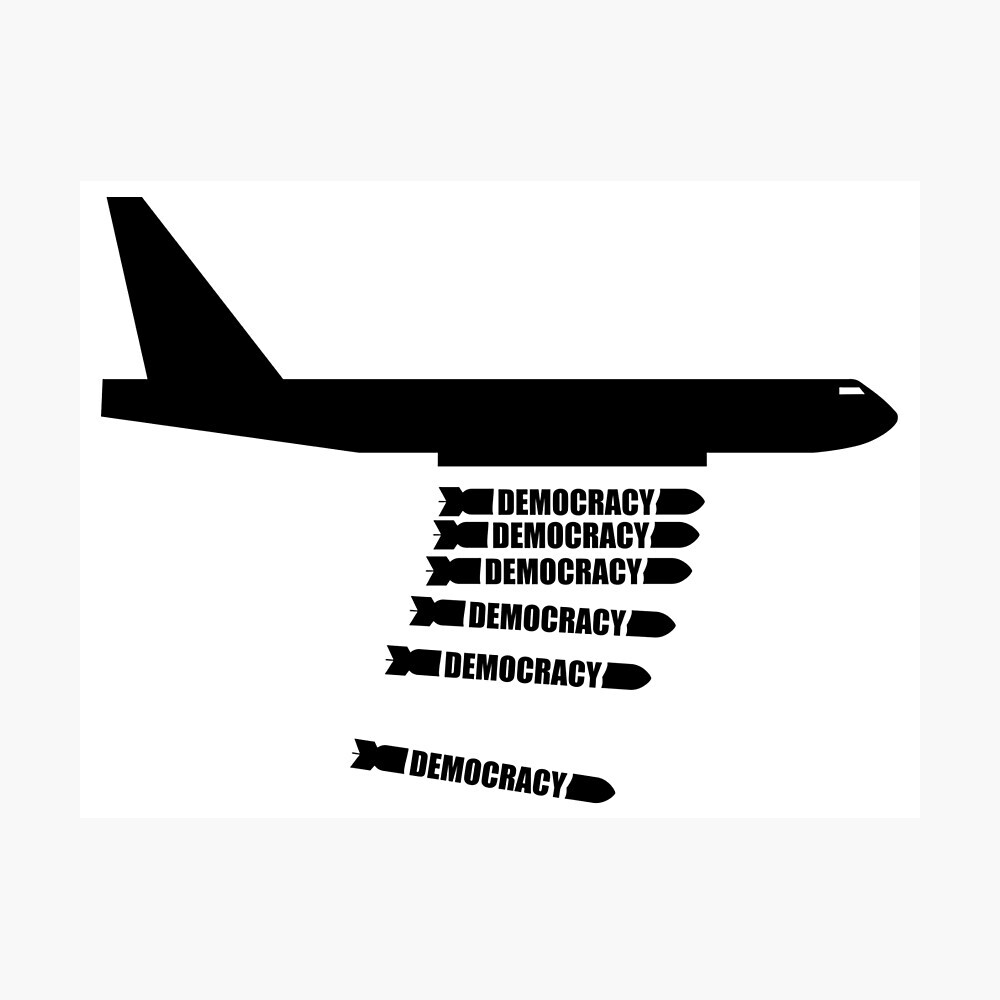
On this edition of Parallax Views, we have another double feature. First up, a 45 minute conversation with Juan Cole, proprietor of the Informed Comment blog and a noted commentator and scholar on the modern Middle East, unpacking a recent New York Times article by Max Fischer about a study indicating that U.S. allies are driving much of the world's democratic decline. In a recent piece for the Informed Comment blog, Prof. Cole argues that U.S. foreign policy, particularly in the Middle East, has never, in reality, about Democracy promotion and that the rise of authoritarian regimes allied to the U.S. like Saudi Arabia are the fruits born from a grand strategy that prioritized "oil, absolutism, and anti-communism" during the Cold War. In this regard we discuss the Iran coup of 1953 as well as the U.S.'s seeking to obtain cheap petroleum for European allies during the Cold War and how this relates to the relationship between countries like the U.S., Saudi Arabia, and Syria. We also delve rather deeply into other issues that informed this period in the history of U.S. foreign policy like distrust of Arab nations and specifically Arab Nationalism, President Dwight Eisenhower's "two-pronged approach" to dealing with anti-colonial movements, U.S. foreign policy and Egypt's Gamal Abdel Nasser, post-Cold War U.S. foreign policy and the recession of anti-communist concerns in that policy after the fall of the Soviet Union, the "War on Terror" and Islamic fundamentalism as the new enemy, Islamophobia and U.S. ally France's illiberal after the 2015 ISIL attacks in Paris, U.S. foreign policy depends on who the enemy is, examples of U.S. not supporting Democracy during the War on Terror, Egypt's Hosni Mubarak and the Arab Spring revolts in the Obama era, the military coup d'état in Egypt in the Obama years and U.S. aid, the Bush administration and the Iraq War, Saudi Arabia and oil, OPEC, the United Arab Emirates (UAE), gulf monarchies and the coup in Tunisia, gas prices, Saudi Arabia and 9/11 (Juan has a different take than previous guests of the program), the death of Jamal Khashoggi and how it embarrasses the U.S., Biden as harder on Saudi Arabia in rhetoric but not in action, the Asia Pivot and the relationship between the U.S. and Saudi Arabia, thinking in Washington that the Middle East isn't a fruitful place to put much foreign policy focus on, electric cars as a death knell for the Saudi economy, U.S. and Saudi Arabia's relationship with Iran, and more!
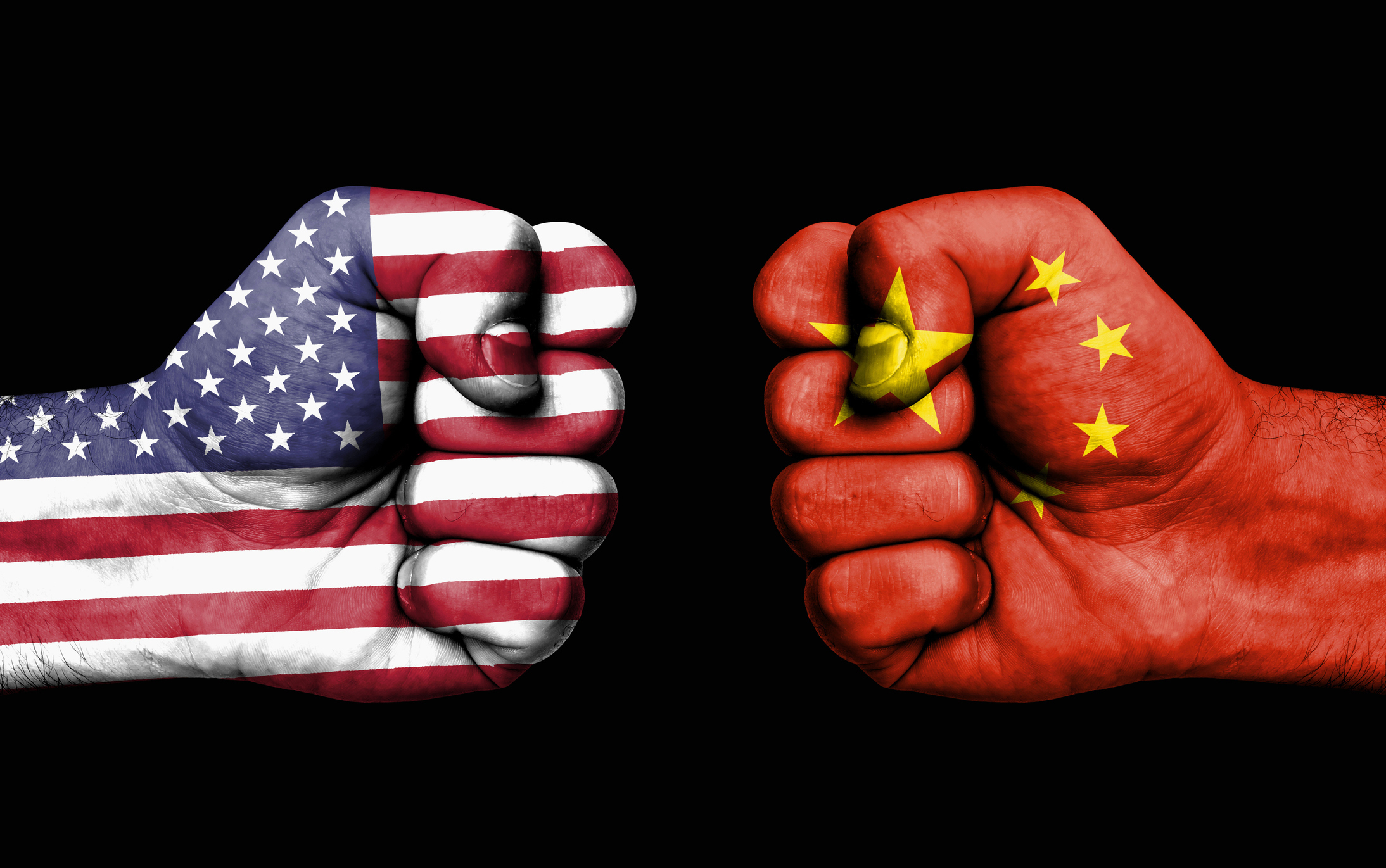
Then, Mike Swanson of Wall Street Window, and author of the book The War State and Why the Vietnam War (also, as a full disclosure, a sponsor of Parallax Views), to discuss a fascinating New York Times article on the Biden administration's posture towards China and Washington's concerns over hearing "echoes of the '50" when it comes to the question of a New Cold War. We also discuss National Security Advisor's emphatic comments about how we are in competition with China rather than a "New Cold War". Mike believes that Washington may be hoping for a "play" Cold War with China rather than a full-on Cold War. This would benefit certain political actors, due to China being an issue of bipartisan interest to many voters, and the military-industrial complex. Due to the nature of the global economy and the reliance the U.S. has on China and vice-versa, Mike believes a full-on New Cold War is unlikely. We also discuss the recent nuclear submarine deal involving the U.S., Australia, and England as well as the breakdown between communications between the U.S. and China during the Trump Presidency, Trump's trade war with China and China's confusion over it, the blockades against that the U.S. and U.S.S.R. launched against each other and why that is unlikely to happen between the U.S. and China, Philip Zelikow's CFR report seeking to foment a strategy to avoid a hot war with China, Col. Lawrence Wilkerson's comments about a Pentagon war game simulation involving Taiwan and China, Biden walking back comments about being willing to commit troops to support Taiwan if necessary, the use of the term "industrial policy" in the NYT article, keeping tensions afloat while avoiding a full-on Cold War and how that would benefit the military-industrial complex, the War on Terror and the Asia Pivot, the risks of escalation and tension with China, the arms race, concern over a future nuclear arms race, and more in this brisk 25-minute conversation with Mike Swanson.
Nov 24, 2021
Nov 24, 2021
1hr 21 min
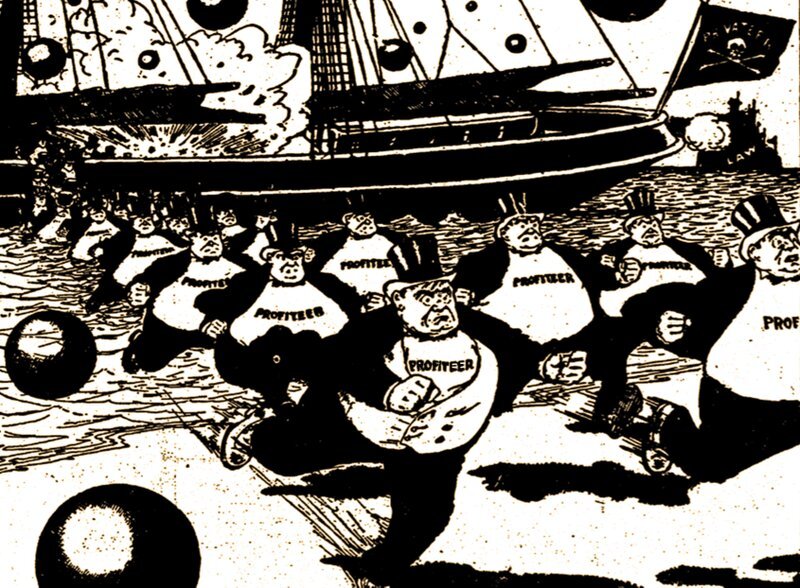
On this edition of Parallax Views, there's a rich and storied history of resistance to war profiteering in the United States of America. Joining us to unpack this overlooked history is Hunter DeRensis, communications director for BringOurTroopsHome.US and author of the recent article "Merchants Of Death: From the Nye Committee to Joe Kent, the fight against war profiteering is a constant struggle". in The American Conservative.
We begin by discussing the impetus behind writing the article, namely Hunter's interest in public perception of the military-industrial complex. In contrast to today, where military-industrial complex is used as a non-loaded off-hand to refer to companies like Lockheed Martin and Raytheon, Hunter says that a century ago there was a broad public resistance to and skepticism of the military-industrial complex and, more specifically, war profiteering. We then delve into the history of this public resistance going back to the Progressive Era and WWI. In this regard we discuss JP Morgan, then the largest investment bank in the world and often referred to in those days as "The House of Morgan", and DuPont in relation to war profiteering in the WWI era. Additionally we discuss the use of taxation against war profiteers and figures who led the charge against war profiteering like the politicians William Jennings Bryan, George Norris, Robert LaFollette, Gerald Nye, and Hiram Johnson. Later on in the conversation we discuss the bestselling 1930s book Merchants of War that sought to expose war profiteering, left and right opposition to war profiteering, the Nye Commitee investigation into war profiteering, Theodore Roosevelt and war hawks, Smedley Butler and War is a Rocket, historian Charles Austin Beard, the costs of WWI, the near universality of sentiment against war profiteering in the interwar period, the early feminist and suffragist movements connection to the pacifist and antiwar movements in the early 20th century, Hunter's involvement with BringOurTroopsHome.US and the fact that many veterans oppose U.S. nation-building war today, the profits made by Eugene G. Grace of the Bethlehem Steel Corporation off war, the extent and scope of the Nye Committee, American nationalism, the attacks on Gerald Nye by figures like Sen. Tom Connally and Sen. Carter Glass, war profiteers funding both sides of conflicts, secret treaties involving Woodrow Wilson and WWI, the Appropriations Commitee and the shutdown of the Nye Commitee, why the Nye Committee fell short of its ultimate goals, arms manufactures post-WWI and the rise of the military-industrial complex, the post-WWII permanent war economy, why libertarians should oppose the military-industrial complex, the impact and legacy of the Nye Commitee, Dan Crenshaw and Tom Cotton not being representative of the supermajority of veterans' views on U.S. wars and foreign policy, and more!
Nov 20, 2021
Nov 20, 2021
1hr 9 min
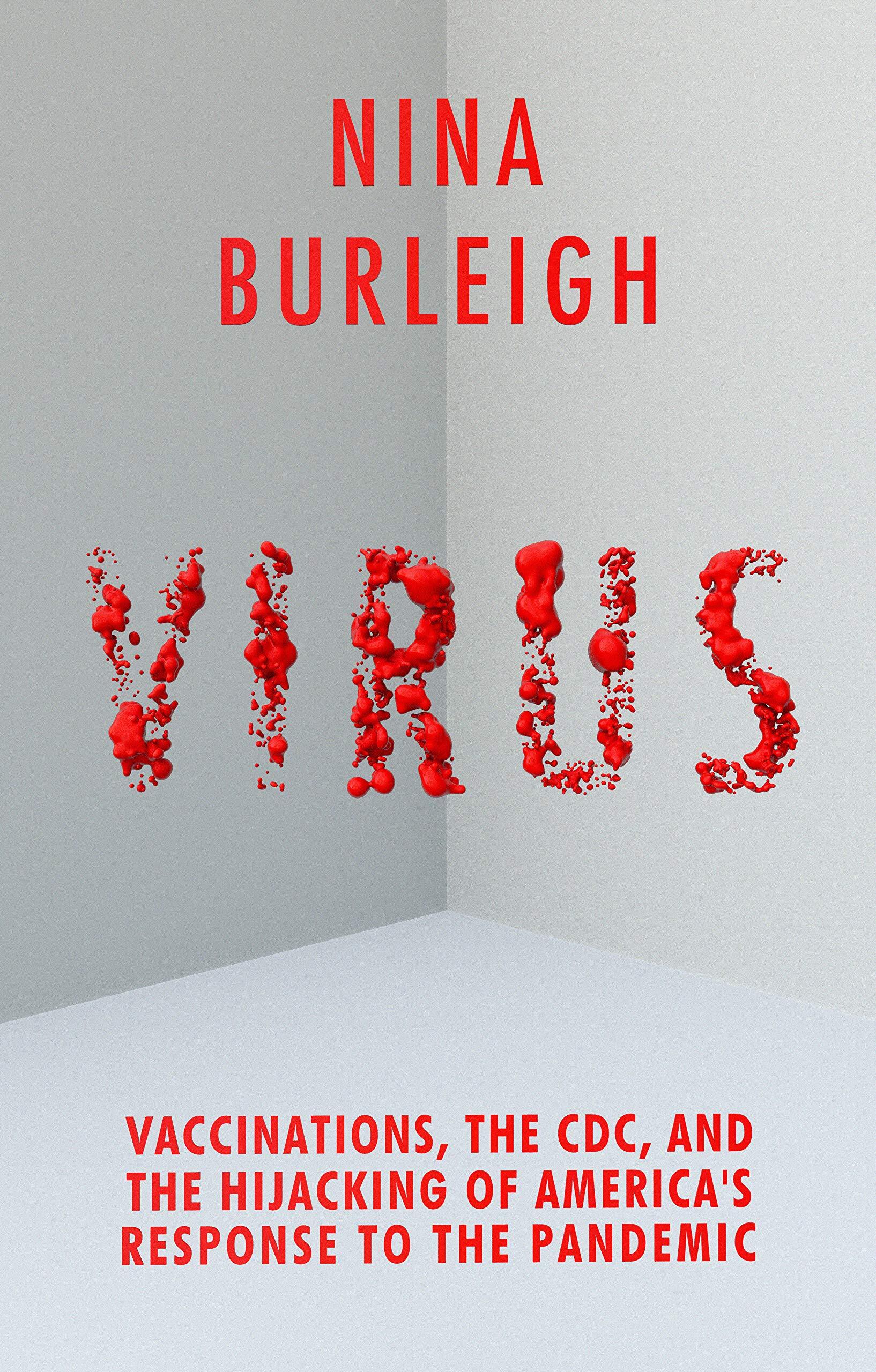
On this edition of Parallax Views, long-time journalist Nina Burleigh joins Parallax Views to discuss her latest book Virus: Vaccinations, the CDC, and the Hijacking of America's Response to the Pandemic. We begin by discussing Nina's previous work on such stories as the Mary Meyers case (which some connect to JFK conspiracies) and biblical archaeology in Israel. Nina explains the connective tissue behind her various writings and how it relates to issues like fake news. Then we delve into the pandemic and how the story of it has parallels to the fiasco of the Iraq War and the 2008 financial crisis. Nina then lays out the achievement of the mRNA vaccine used to treat COVID before we delve more deeply into the issue of pandemic profiteering and the Trump administration's handling of the pandemic. We talk Jared Kushner, Steve Bannon, scam artists, Jerome Corsi, right-wing disinformation, vulture capitalism and how the Trump era was what Nina calls the "MBA Ideology" on steroids, the Council for National Policy and its relationship to the astro-turfed America's Frontline Doctors and Dr. Simone Gold, anti-vaccination sentiment amongst non-right wing elements of society, the definition of freedom in American culture, the Michigan militia case, surveillance capitalism, whether Trump's base is actually working class, inquiries into pandemic profiteering, the dark science of the Cold War, the spread of conspiracy theories in a digital age, and much, much more!
More About Parallax Views:
Over 1 million unique downloads!
Over 950+ episodes!
Ranked in the Top 100 Podcasts Covering "Armed Conflicts" by MillionPodcasts!
As featured in The Daily Dot:
Featured in the academic study of podcasts and podcast culture, The Podcaster's Dilemma:
Decolonizing Podcasters in the Era of Surveillance Capitalism
by Nicholas Brahmin II & Nolan Higdon