
A podcast where politics, history, and culture are examined from perspectives you may not have considered before. Call it a parallax view.
Parallax Views
w/ J.G. Michael
For 7+ years and over 600 episodes to date, J.G. Michael has been hosting and producing Parallax Views, a show with an eclectic variety of guests covering a broad range of topics including culture, current events, international relations, foreign policy, technology, cinema, literature, history, and more.
Previous notable guests include world-renowned anthropologist Wade Davis, philosopher Slavoj Zizek, Malcolm X's daughter Ilyasah Shabazz, forensic anthropologist and author of the BONES novel series Kathy Reichs, Pulitizer Prize-winning reporters like Michael Hiltzik and David Cay Johnston, Academy Award-nominated screenwriter and filmmaker John Sayles, Adult Swim's Casper Kelly (Adult Swim Yule Log, co-creator of Your Pretty Little Face is Going to Hell), world-class MMA fighter Jillian "Lionheart" DeCoursey, Harvard international relations scholar Stephen Walt, former President of the Federal Reserve Bank of Kansas City Thomas M. Hoenig, controversial filmmaker Uwe Boll, Pulitzer Prize-winning novelist Viet Thanh Nyugen, Ret. Col. Lawrence Wilkerson (Chief of Staff under Colin Powell), former FBI agent inside the CIA's Bin Laden Unit Mark Rossini, longtime union organizer and On the Line: A Story of Class, Solidarity, and Two Women's Epic Fight to Build a Union author Daisy Pitkin, UFC Hall of Famer Pat Miletich, legendary independent film producer/director Lloyd Kaufman of Troma, comic book artist Stephen Bissette (of Alan Moore's acclaimed Saga of the Swamp Thing), comedian Kate Willett, and bestselling authors like Nomi Prins, Greg Palast, Noam Chomsky, Neil Howe, James Bamford, Jacob Silverman, Thom Hartmann, Stephen Singular, Nina Burleigh, John Perkins, Christopher Leonard, Thomas Frank, and many others.. Whether J.G. is interviewing an entertainer, an academic, a former military or intelligence official, or an average Joe he hopes to expose listeners with ways of looking at the world they may not have considered before. Call it a Parallax View.
Additionally, Parallax Views / J.G. Michael is known for interviewing figures from across the political spectrum. From Unherd U.S. editor Sohrab Ahmari and former National Review correspondent Kevin D. Williamson to The Nation publisher Katrina Vanden Heuvel and The American Prospect executive editor David Dayen.
Twitter: https://twitter.com/ViewsParallax
Email: parallaxviewspod@protonmail.com
Please Support Me on Patreon If You Support My Work or Enjoy the Show!:
https://www.patreon.com/parallaxviews
Episodes
Oct 19, 2021
Oct 19, 2021
1hr 56 min
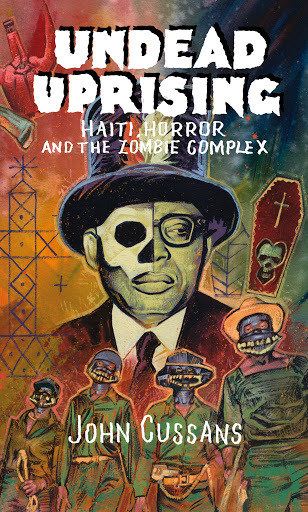
For the penultimate episode of our Parallax Views Halloween series, John Cussans joins us to discuss his book Undead Uprising: Haiti, Horror, and the Zombie Complex. Believe it or not, the zombie wasn't always simply a figure of flesh-ripping, brain eating apocalyptical disease and undead horror. The zombie begins as a figure within Haitian folklore and Voodoo (Voudon) before eventually coming to Western pop culture. John argues that the zombie's migration to the West was underpinned by white Western fears of voodoo-fueled black slave uprisings in Haiti and has evolved from there. In addition, he makes the case that the myths of Haitian voodoo has been used, at least in terms of its imagery and cultural power, as a weapon of control by Western elements such as intelligence agencies (WWII black ops; see: Ian Fleming's Live and Let Die), journalists, white liberals who seek to "carebearize" the religion, and transgressive revolutionaries like George Bataille, etc. We delve into all these topics as well as the connection between mesmerism and the early zombie in pop culture, Wade Davis' The Serpent and the Rainbow and John's critique of it, thoughts on Frank Wilderson III and Afropessimism, conspiracy theories and Videodrome, the dictatorship of Papa Doc Duvalier, Western "ju ju journalism", Baron Samedi, the Bizango secret society, and much, much more.
Oct 14, 2021
Oct 14, 2021
46 min

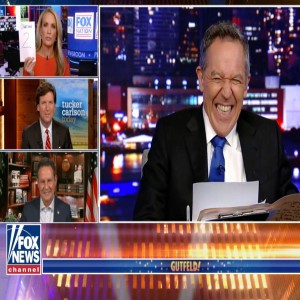
On this edition of Parallax Views, the late night Fox News talk show Gutfeld! w/ right-wing comedian Greg Gutfeld recently managed to beat out its liberal competitor The Late Show w/ Stephen Colbert in ratings. For liberals and leftists, Gutfeld's "Owning the Libs" brand of humor may not be funny. But it has found an audience. He's not alone either, as similarly-styled comics like Steven Crowder have likewise gained an audience through offending liberal sensibilities. And then there's big name comedians like Dave Chappelle and Joe Rogan, who, although not necessarily explicitly right wing, have in recent years garnered by fierce critics and devoted fans by offending those aforementioned sensibilities.
Such developments are a far-cry from a decade or so ago when many were touting psychological studies indicating that liberals liked to laugh whereas conservatives preferred to be outraged as a reason for why the political right hadn't produced its own version of The Daily Show's Jon Stewart, Samantha Bee, or John Oliver. As the growing popularity of Gutfeld! shows, however, that seems to have changed.
Joining us to discuss the rise of right-wing comedy is Nick Marx, Associate Professor of Film and Media Studies at Colorado State University, and co-author (w/ Matt Sienkiewicz) of the upcoming book That's Not Funny: How the Right Makes Comedy Work for Them and the recent article "How conservative comic Greg Gutfeld overtook Stephen Colbert in ratings to become the most popular late-night TV host". In this conversation we delve into what Nick calls the right-wing comedy complex, how comedians like Tim Allen and Dennis Miller fit into it, the role audience fragmentation has played in the rise of explicitly right-wing comedy in the 21st century, why trying to argue that what comics like Greg Gutfeld are doing is "not comedy" does not stop the right-wing comedy complex, how the right-wing comedy complex papers over over factional divisions within the American conservative movement and unifies unifies them, right-wing comedy as a recruitment tool, troll and trolling culture, addressing psychological studies about liberalism and laughter, the changing nature of the media landscape and triumph of specialized niche entertainment, what has changed about the political comedy format in the past 20 years and the size of the audiences shows within that format could capture?, demographics (age, race, income levels, etc.) and the audience of right-wing comedy, "paleo-comedy", the figures within deeper recesses of the right-wing comedy complex like Gavin McInnes and Michael Malice, and more.
Oct 11, 2021
Oct 11, 2021
1hr 59 min
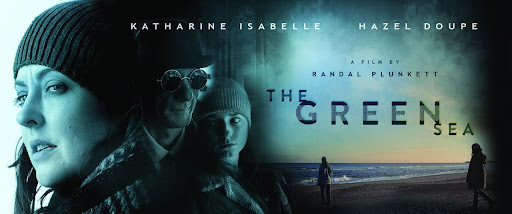
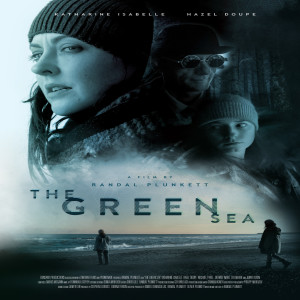
On this edition of Parallax Views, a new movie called The Green Sea tells a story that combines straightforward drama with the magical realism reminiscent of authors like Haruki Murakami (Kafka on the Shore, Norwegian Wood) and elements of the kind of ghost stories bringing to mind M.R. James. Its writer and director has an interesting lineage, to say the least. Oliver Plunkett is the 21st Baron of Dunsany, one of the oldest continuously lived in estates in all of Ireland. He's the ancestor of the fantasy writer Lord Dunsany (aka Edward Plunkett, the 18th Baron of Dunsany), who influenced such authors as Cthulhu mythos creator H.P. Lovecraft and The Lord of the Rings author J.R.R. Tolkien. He's a noted fan of black metal and death metal, has directed numerous zombie and horror films, and environmentalist. In terms of the latter he has gained both praise and scorn for his notorious decision to rewild the Dunsany estate, turning it into the Dunsany Nature Preserve.
With the recently released The Green Sea, Plunkett made his feature film debut as a director. And, as it turns out, the film has many deeply personal and even autobiographic elements in it that shed light on Plunkett's views on creativity, isolation, alienation, the mysteries of life, the importance of social relationships, finding solace in nature, regret and redemption, self-expression, and the power of the imagination.
From the IMDB Plot summary for The Green Sea:
Simone (Katharine Isabelle), an American writer living a solitary life in Irish countryside, is haunted by visions of her past which begin to intertwine with the fantasy world of the novel she is writing, blurring the lines between reality and the fantasy. Her life changes, when the protagonist of her book, known only as "Kid", played by up and coming Irish actress Hazel Doupe (Float Like A Butterfly), appears to her as a victim of a drunk driving incident that forces the pair together. This sets up the beginning of an unlikely relationship, ultimately setting off a chain of events that will force Simone to face her sinister past.
Randal Plunkett joins us on this edition of Parallax Views to discuss this exciting new film that can only be described as a mysterious hybrid of genres. In addition, our conversation allows us to delve into the history of the Dunsany family estate, the musical genius of musicians Scott Conner of the infamous black metal and "doomgrass" one-man-bands Xasthur and Nocturnal Poisoning as well as Justin K. Broadrick of the industrial metal act Godflesh and the post-metal pioneers Jesu, the brilliance of The Green Sea's lead actress Katharine Isabelle (know for her title role in the innovative werewolf movie franchise Ginger Snaps as well as appearances in Freddy vs. Jason, American Mary, and hit TV shows like Hannibal and The Order among others), the rewilding of the Dunsany estate and the backlash it has caused against Randal, the difficulties of making an independent film that blends different genres, and The Green Sea's themes of alienation, the powers of the imagination, alienation, the mysteries inherent to life and consciousness, and how it all relates to Randal's own philosophy and experiences. All that and much more on this jam-packed nearly two hour long edition of Parallax Views.
Oct 5, 2021
Oct 5, 2021
1hr 36 min
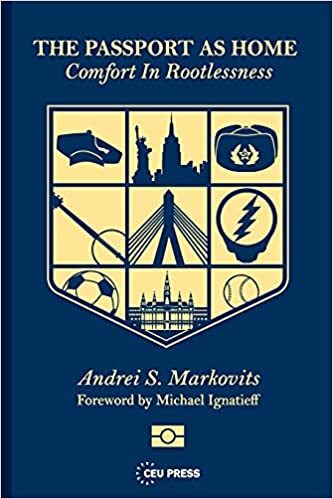
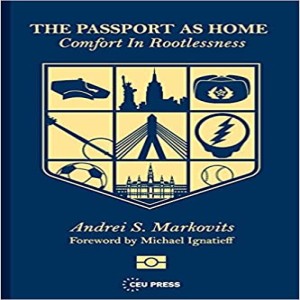
On this edition of Parallax Views, Andrei S. Markovits is an Arthur F. Thurnau Professor and the Karl W. Deutsch Collegiate Professor of Comparative Politics and German Studies at the University of Michigan. For some decades now he has written, with a scholarly verve, about issues such as globalization, antisemitism, soccer and politics, anti-Americanism in European culture, Left politics, and more. Now he's written a memoir entitled The Passport as Home: Comfort in Rootlessness.
In said memoir, Andy Merkovits reflects on how being a marginal figure without a sense of rootedness to one culture has a freedom for him personally rather than a tragedy. The term "rootless cosmopolitan" has been used as an anti-semitic dogwhistle. But in The Passport as Home, Merkovits finds a positive value, at least for himself, in rootlessness and cosmopolitanism. This serves as the launching off point for our conversation as we delve into Andy's sense of rootlessness, his cosmopolitanism, his love for the abstract idea of America, and his complicated relationship with the Left. We also discuss Andy's love of the Rolling Stones and the Grateful Dead, his experience as a young Jewsih man seeing the Rolling Stones in Vienna (and his father's less-than-enthusiastic reaction to it), the generational divide between his generation and that of his father, the politics of 1968, the struggle against imperialism, Andy's first experience in America, his experiences in academia and specifically at Columbia University, an interesting experience Andy had with a member of the Students for a Democratic Society (SDS), the Club of Rome and its 1972 Limits of Growth Report (pivotal to questions related to climate change, global development, and environmentalism), the Green Left vs. Social Democrats and Communists in the 1970s, computational models and the debates within the global modeling world in the 1970s, remembering his colleague the political scientist Karl Deutsch, and an even an anecdote about Zbigniew Brzezinski!
Oct 1, 2021
Oct 1, 2021
1hr 11 min
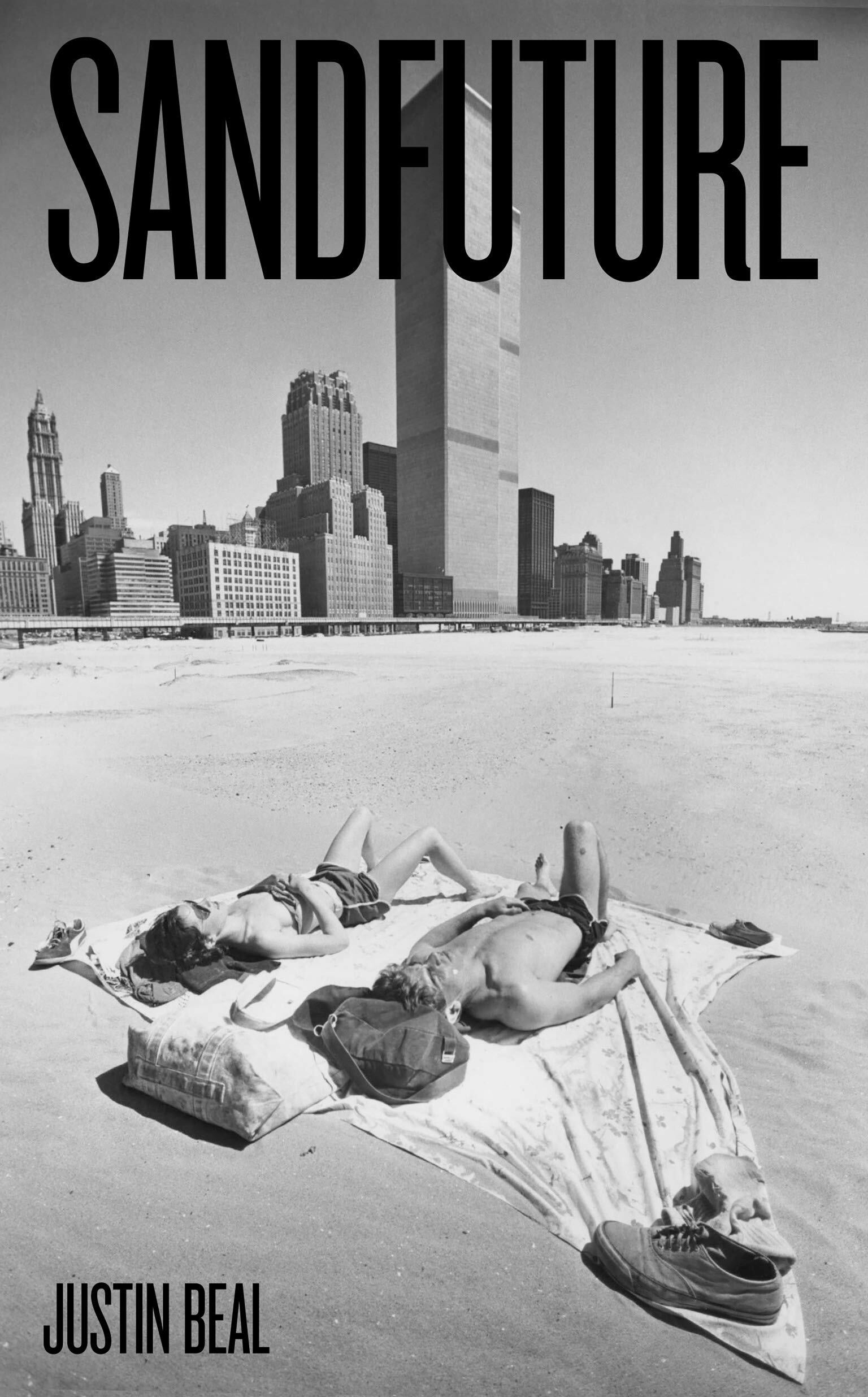
On this edition of Parallax Views, in his new Sandfuture artist Justin Beal looks at the relationship between architecture, its history (and who it is written for), illness (both as actual malady and as metaphor), and inequity through an exploration of the life and times of World Trade Center designer Minoru Yamasaki. Yamasaki made many important contributions to architecture in the 20th century, and yet, according to Beal, remains somewhat obscure in architectural history. Finding this curious, Beal began delving more into the life and work of Yamasaki while also exploring his own relationship to art and architecture in the aftermath of Hurrican Sandy (an event which found Beal saving sculptures from ruin). In exploring the story of Minoru Yamasaki we also delve into issues such as how architecture contributes to the ways we think about matters like inequity and illness socially.
Additionally, Beal and I discuss Yamasaki's humanist inclinations and how those inclinations played a role in his art work. Although popular with the public, many of Yamasaki's works were not necessarily in line with academic thinking on architecture. Particularly, Yamasaki's focus on the decorative, or what he called "visual delight", went against modernist dogmas within architecture. This opens us up for a discussion of Yamasaki, who considered himself modernist, and his relationship to the modernist movement. We also discuss the ways in which Yamasaki, like other artists, was interested in communicating something with all his work and the ways in which communicating through architecture is a particular challenge. Moreover, this allows us to discuss the issues of elitism in art and architecture.
Among the other topics we discuss are sick building syndrome, formalism and its discontents, Yamasaki and the idea of architecture for the occupant, the role of migraines and stomach ulcers in Sandfuture, the book's ambiguous title of Sandfuture, thinking of the phenomena of the migraine as a spatial condition, Yamasaki's fear of heights and how it informs his relationship to the buildings he designed, architectural designs that create a sense of comfort, metaphors in architecture, the strangeness of architecture as a medium, architecture as a symbol (specifically in the case of the World Trade Center), Yamasaki's struggles against racism and xenophobia, changing one's perception of what the World Trade Center symbolizes when viewed through the lens of its designer, public health and architecture in light of COVID, permanence vs. the shifting sands of time, and much, much more!
Sep 29, 2021
Sep 29, 2021
1hr 31 min
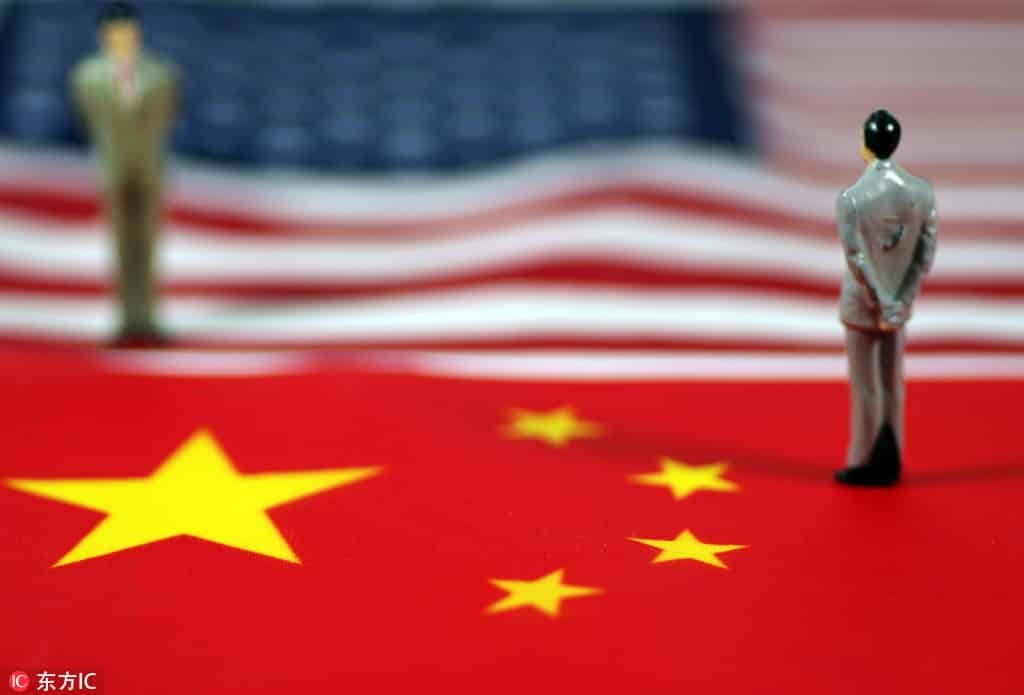
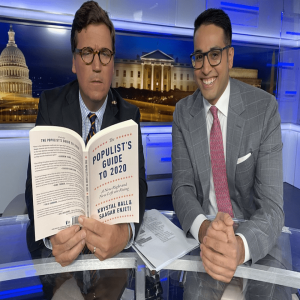
On this edition of Parallax Views, are certain segments of alt media becoming hawkish geopolitically beyond the faltering "Forever Wars"? In other words, is there criticisms to be lobbed at alt media figures who may be becoming more hawkish geopolitically as we enter what appears to be a New Cold War on China? Robbie Martin of Media Roots Radio and Connor Freeman of The Libertarian Institute join me to chat about Saagar Enjeti (formerly of Rising on The Hill and now Breaking Point w/ his former Rising co-host Krystal Ball), Cold War 2.0 with China, and alt media hawks. We discuss the Asia Pivot, The Project for a New American Century's (PNAC) long shadow, "The Realignment", neocons in populist clothing, the New "Manufacturing Consent" for a War on China, has the comedy scene got the psyop treatment?, the Hudson Institute funded by military-industrial complex heavyweights like Northrop Grumman and Raytheon, the Institute for the Study of War, Robbie's belief that neocons have infiltrated the alt media left, the Committee on the Present Danger China, propaganda adapting to the new era of great power competition, Bari Weiss and the "Intellectual Dark Web", Tucker Carlson, Julian Assange, and much, much more.
Sep 26, 2021
Sep 26, 2021
1hr 35 min
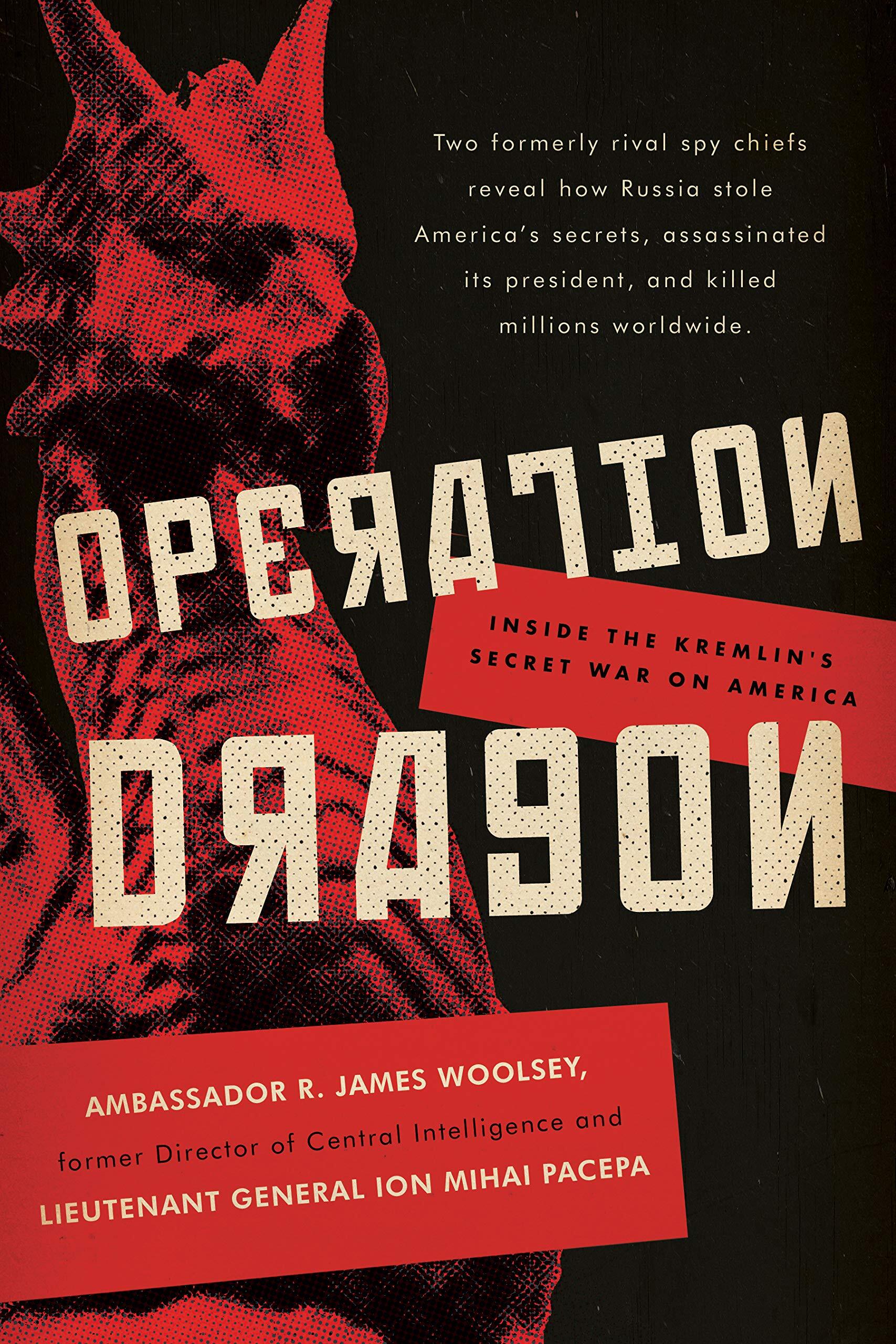
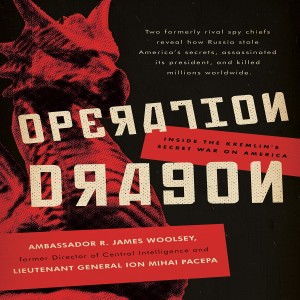
On this edition of Parallax Views, earlier this year a curious new book was published dealing with the assassination of John F. Kennedy. Co-written by R. James Woolsey, former Director of the CIA under President Bill Clinton from 1993 to 1995, and Ion Mihai Pacepa, a former Romanian spy and a noted, high-ranking Eastern Bloc defect during the Cold War, Operation Dragon: Inside the Kremlin's Secret War Against America argues that the JFK assassination was the result of a plot involving the Soviet Union's Nikita Khrushchev and Cuba's Fidel Castro. Lee Harvey Oswald, the book claims, was instructed by Khrushchev to kill President Kennedy. According to Woolsey and Pacepa, Khrushchev actually called off the plot for fear that it might be discovered and lead right back to him as one of the perpetrators. What Khrushchev did not count on, say Woolsey and Pacepa, is that Oswald would go rogue and carry out the assassination plot in spite of orders to the contrary. In other words, Operation Dragon alleges that President Kennedy's assassination was the result of nefarious Soviet treachery.
Is Operation Dragon just another entry in dizzying array of theories positing an alternative to the Warren Commission Report's oft-contested findings concerning the fatal shooting of a sitting President of the United States in Dallas, TX on November 22nd, 1963? Perhaps. Then again, most books that challenge, in varying degrees, the official line on the Kennedy assassination aren't written by ex-CIA Directors.
But the curiosity of the book's co-author, the aforementioned James Woolsey, penning a book dealing with the Kennedy assassination doesn't end with his status as the former highest-ranking official in the CIA. In addition to his tenure as DCIA, Woolsey served as U.S. Under Secretary of the Navy in the late 1970s and was involved in negotiations with the Soviet Union in the 1980s. In other words, he was in the thick of it, so to speak, during the Cold War.
Most curiously of all, however, when it comes to Woolsey is his connections to the neoconservative foreign policy movement and his penchant for promoting various conspiratorial fears about foreign countries even prior to the publication of Operation Dragon. A member of the notoriously hawkish neocon think tank The Project for a New American Century (PNAC) before its dissolution in 2006, Woolsey has stoked fears that North Korea could use electromagnetic pulse (EMP) weapons against the United States and was also a notable proponent of the theory that al Qaeda and Saddam Hussein's Iraq were involved in the Oklahoma City Bombing.
Since the publication of Operation Dragon, Woolsey has appeared on the right-wing outlet Newsmax to promote his theory about the Kennedy assassination. This, combined with his neoconservative inclinations and conspiratorial musings that align quite well with the bolstering of a hawkish, pro-war agenda, raises the question of Woolsey's political motivations in promoting what The Daily Beast has referred to as a "QAnon-style spin" on the Kennedy assassination.
Joining us to pushback against Woolsey's JFK assassination theory and place it within the context of his hawkish neocon history is returning guest James DiEugenio, the leading figure behind the website Kennedys and King, writer for the upcoming Oliver Stone documentary JFK Revisited: Through the Looking Glass, and author of such books as Destiny Betrayed: JFK, Cuba, and the Garrison Case, Reclaiming Parkland: Tom Hanks, Vincent Bugliosi, and the JFK Assassination in the New Hollywood, and The JFK Assassination. DiEugenio argues that not only is Woolsey's Kennedy assassination theory wrong, but that it is representative of a certain brand of foreign policy thinking in Washington, D.C. that sociologist C. Wright Mills would refer to as "crackpot realism".
Before delving into Operation Dragon, however, Jim fills us in on the latest news concerning the fight to declassify and release the last of the JFK records. We discuss how President Trump, despite at times signaling to the contrary, helped keep the records declassified during his Presidency. Now said records and their review for declassification lay in the hands of President Joe Biden.
Then we shift our attention to Operation Dragon and discuss the problems with the book's claims that theoretical physicist and "Father of the Atomic Bomb" J. Robert Oppenheimer and British Prime Minister Clement Attlee were secretly Soviet spies, the relationship between Woolsey's theories on the Kremlin and the paranoid "Monster Plot" of the CIA's James Jesus Angleton, a brief history of neoconservatism, Woolsey's neocon credentials, the relationship between the narrative of the Cold War promoted by Woolsey and the ideas of the far right-wing John Birch Society, James Angleton and the origins of the idea that Lee Harvey Oswald was a KGB agent or asset,, Operation Dragon as a retread of the narrative put forth in Edward Jay Epstein's 1992 book Legend: The Secret World of Lee Harvey Oswald, Norman Cousins and the quest for détente with Khrushchev's Soviet Union, French journalist Jean Daniel's meeting with Fidel Castro in Havana on the day of Kennedy's assassination , Kennedy and rapprochement negotiations with Cuba, Khrushchev and Castro's reactions to the assassination, why neither the Soviet Union or Cuba benefitted from Kennedy's assassination, former Deputy Secretary of Defense Paul Nitze's Cold War ideology and the rise of neoconservatism, neoconservatism as an ideology that has now slipped into both the Republican and Democratic Parties, "crackpot realism" in the killing of Gaddafi in Libya and the U.S. intervention in Assad's Syria, Barack Obama and the CIA's classified weapons supply and training program in Syria known as "Timber Sycamore", the Project for American Century's agenda, George HW Bush's comments calling the neocons "the crazies in the basement" of U.S. foreign policy in the Middle East, the notion that Henry Kissinger and Henry Kissinger were "soft" on Communism during the Cold War, neocons as constantly seeking pretexts for war, the late Russian studies scholar Stephen F. Cohen vs. Richard Pipes on the Soviet Union, Nixon and Kissinger as being to the right of Ronald Reagan and Margaret Thatcher on Mikhail Gorbachev, neocons and the Australia nuclear submarines deal as part of a geopolitical strategy against China, "Noble Lies" and the selling of wars, NATO's expansion and the lack of historical context provided by crackpot realism in foreign policy, Woolsey's book as a psyop, PNAC member Robert Kagan and his wife Victoria Nuland's involvement in U.S. foreign policy related to Ukraine, the neocon agenda as bankrupting the U.S. and destroying social programs vis-à-vis war spending, and, much, much more.
Sep 22, 2021
Sep 22, 2021
1hr 32 min
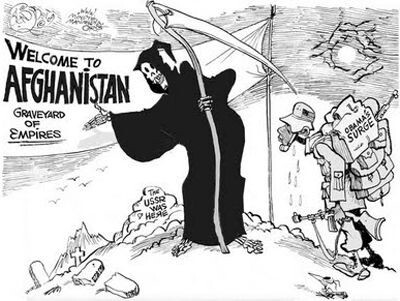
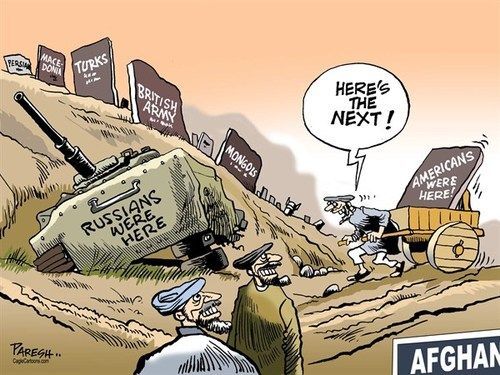
On this edition of Parallax Views, it's become a truism that Afghanistan is the "Graveyard of Empire" over the past few decades. It's an idea that's entered the common parlance and the foreign policy lexicon. Even President Joe Biden has mentioned the "Graveyard of Empires" tropes in light of the U.S. military withdrawal from Afghanistan this year. The British Empire and the Soviet Unions failed interventions in Afghanistan are used as examples to support the trope and now the U.S.'s 20 year war ending in withdrawal is being used to further the "Graveyard of Empires" narrative. However, Alexander Hainy-Khaleeli of the Institute of Arab and Islamic Studies at University of Exeter recently pushed back on this trope in his Ajam Media Collective article "Why we need to stop calling Afghanistan 'The Graveyard of Empires'". This was recorded 9/2/21. There are some audio drop-outs but they do not disrupt the ability to understand the conversation.
We also discuss the leadership of the Taliban vs. its rank and file, the Calpihate vs. the Emirate, the potential theological differences between Islamic State and the Taliban, Deobandi Islam vs. Salafi Islam, Biden's comments about the Taliban facing an "existential crisis", Afghanistan's history before the 20th century and its importance to Empires, racism and the "Graveyard of Empires" narrative, does the "Graveyard of Empires" narrative allow for foreign policy interventionists and the U.S. a get out of jail free card for the occupation of Afghanistan?, oversimplifications of history like "ancient hatred" keeping us from asking real questions about sectarian conflicts and geopolitical issues, the Western bubble, Thomas Friedman's "The Lexus and the Oliver Tree" and the Golden Arches Theory of Conflict/War, bad Middle East takes, the Soviet Union in Afghanistan and the role of Cold War machinations by the West in that history, the way the Afghanistan war has been explained and interpreted in the West, the deaths of Afghan civilians and the bombing of Afghanistan, why the Taliban has gained some popular support, the Pashtuns, globalization, the homogenization of Central Asia in the Western mind, the "good guys" vs. "bad guys" narrative of geopolitics, has Afghanistan never been conquered in history?, is Afghanistan ungovernable?, the history of the "Graveyard of Empires" trope, the significance of the year 2010 in the mainstreaming of the "Graveyard of Empires" trope, cartoons referencing the "Graveyard of Empires" trope, Alexander the Great and Afghanistan, the Empire of the Mongols, Greeks, and the Arabs and Afghanistan, the rich culture of Afghanistan in ancient times vs. the image of Afghanistan as backwards throughout history, the strategic importance of Afghanistan historically, Afghanistan as the "cradle of empire" in ancient times, the province of Balkh, Rambo III and Afghanistan, the "stinger effect" in the Afghan/Soviet conflict,
Sep 20, 2021
Sep 20, 2021
1hr 6 min
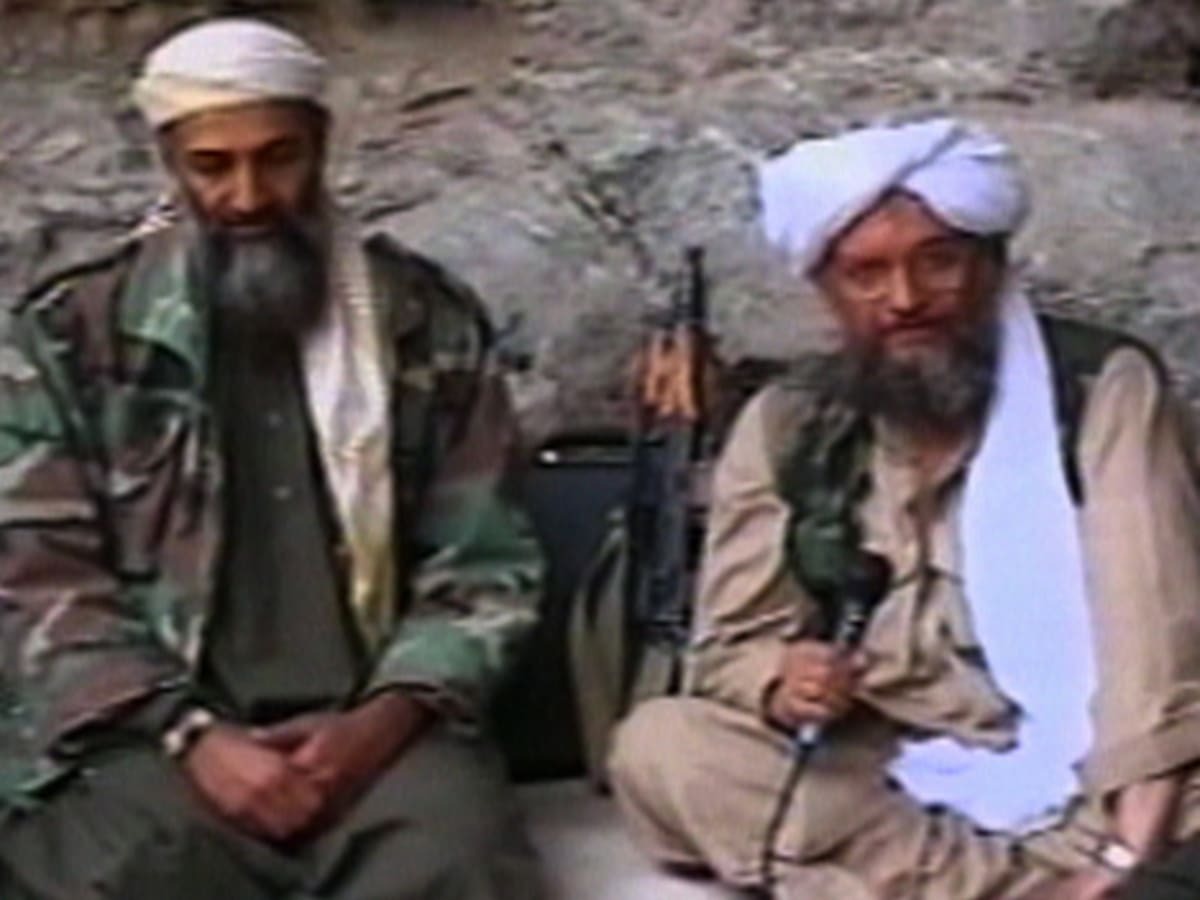
On this edition of Parallax Views, what is the legacy of Osama bin Laden and the "Forever Wars" that came after the 9/11 terrorist attack in 2001? The Middle East Institute's James Dorsey, award-winning journalist and a senior fellow at the S. Rajaratnam School of International Studies at Singapore's Nanyang Technological University, joins us to tackle that question as related in his article "Bin Laden’s legacy probably surpasses his wildest dreams". James Dorsey is the the man behind the book, blog, and podcast The Turbulent World of Middle East Soccer. We also discuss Afghanistan and what the future may hold for Afghanistan. We also discuss the Taliban, IS-K (Islamic State of Khorasan), al Qaeda, Iran, the possibility of Civil War and ethnic conflict in Afghanistan now that the U.S. withdrawal has been completed, changing perceptions about U.S. foreign policy, the Kabul airport attack, potential naivete of the Taliban, Caliphates vs. Afghan nationalism, the Pashtuns, Pakistan, the Afghans have had 40 years of war not 20, the lessons of Afghanistan, the loyalties of the Taliban, the shifting goals of the U.S. in Afghanistan during its military engagement there after 9/11, the question of the root causes of terrorism, the rise of the Quincy Institute and the push for the demilitarization of U.S. foreign policy, U.S. foreign policy as "in flux", where should U.S. foreign policy go from here, the cost of stability vs. the risk of change, human rights rhetoric vs. reality, bin Laden and the undermining of U.S. cohesion, identity politics, and much, much more. A note that this episode was recorded on 09/10/21.
Sep 16, 2021
Sep 16, 2021
48 min
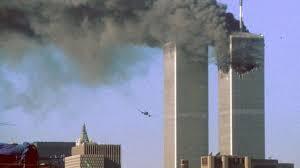
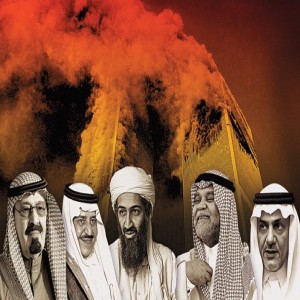
On this edition of Parallax Views, Russ Bake, Editor-in-Chief and founder of the non-profit news organization WhoWhatWhy and author of Family of Secrets: The Bush Dynasty, America's Invisible Government, and the Hidden History of the Last Fifty Years, returned to Parallax Views to discuss his latest article "FBI Makes Midnight Release of Shocking New Information on Saudi-9/11 Complicity". We discuss the lingering questions about the Kingdom of Saudi Arabia and its potential connection to the terrorist attacks of September 11th, 2001. The issue has received renewed attention thanks to the 9/11 victims' families lawsuit and President Joe Biden's Executive Order calling for the declassification review of 9/11 records. Thanks to that E.O., documents pertaining to the FBI's Operation Encore, a probe into the potential Saudi connection to 9/11, were quietly released late on the night of September 12th, 2021. Russ and I delve into the figure of Prince Bandar bin Sultan and other figures as well as discussing the seeming cover-up of this element of the 9/11 story for so many years. We also chat briefly about the concept of the deep state, the controversy around Spike Lee's 9/11 documentary series on HBO featuring voices from the "9/11 Truth" movement, and much, much more.
More About Parallax Views:
Over 1 million unique downloads!
Over 950+ episodes!
Ranked in the Top 100 Podcasts Covering "Armed Conflicts" by MillionPodcasts!
As featured in The Daily Dot:
Featured in the academic study of podcasts and podcast culture, The Podcaster's Dilemma:
Decolonizing Podcasters in the Era of Surveillance Capitalism
by Nicholas Brahmin II & Nolan Higdon