
A podcast where politics, history, and culture are examined from perspectives you may not have considered before. Call it a parallax view.
Parallax Views
w/ J.G. Michael
For 7+ years and over 600 episodes to date, J.G. Michael has been hosting and producing Parallax Views, a show with an eclectic variety of guests covering a broad range of topics including culture, current events, international relations, foreign policy, technology, cinema, literature, history, and more.
Previous notable guests include world-renowned anthropologist Wade Davis, philosopher Slavoj Zizek, Malcolm X's daughter Ilyasah Shabazz, forensic anthropologist and author of the BONES novel series Kathy Reichs, Pulitizer Prize-winning reporters like Michael Hiltzik and David Cay Johnston, Academy Award-nominated screenwriter and filmmaker John Sayles, Adult Swim's Casper Kelly (Adult Swim Yule Log, co-creator of Your Pretty Little Face is Going to Hell), world-class MMA fighter Jillian "Lionheart" DeCoursey, Harvard international relations scholar Stephen Walt, former President of the Federal Reserve Bank of Kansas City Thomas M. Hoenig, controversial filmmaker Uwe Boll, Pulitzer Prize-winning novelist Viet Thanh Nyugen, Ret. Col. Lawrence Wilkerson (Chief of Staff under Colin Powell), former FBI agent inside the CIA's Bin Laden Unit Mark Rossini, longtime union organizer and On the Line: A Story of Class, Solidarity, and Two Women's Epic Fight to Build a Union author Daisy Pitkin, UFC Hall of Famer Pat Miletich, legendary independent film producer/director Lloyd Kaufman of Troma, comic book artist Stephen Bissette (of Alan Moore's acclaimed Saga of the Swamp Thing), comedian Kate Willett, and bestselling authors like Nomi Prins, Greg Palast, Noam Chomsky, Neil Howe, James Bamford, Jacob Silverman, Thom Hartmann, Stephen Singular, Nina Burleigh, John Perkins, Christopher Leonard, Thomas Frank, and many others.. Whether J.G. is interviewing an entertainer, an academic, a former military or intelligence official, or an average Joe he hopes to expose listeners with ways of looking at the world they may not have considered before. Call it a Parallax View.
Additionally, Parallax Views / J.G. Michael is known for interviewing figures from across the political spectrum. From Unherd U.S. editor Sohrab Ahmari and former National Review correspondent Kevin D. Williamson to The Nation publisher Katrina Vanden Heuvel and The American Prospect executive editor David Dayen.
Twitter: https://twitter.com/ViewsParallax
Email: parallaxviewspod@protonmail.com
Please Support Me on Patreon If You Support My Work or Enjoy the Show!:
https://www.patreon.com/parallaxviews
Episodes
May 24, 2021
May 24, 2021
1hr 2 min
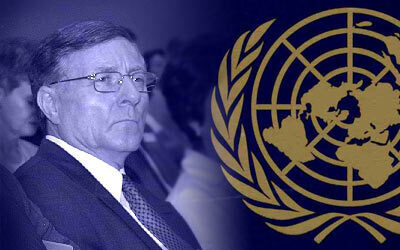
On this edition of Parallax Views, former UN Assistant Secretary General and UN Humanitarian Coordinator for Iraq Hans Von Sponeck joins us to discuss the nature of the United Nations as well as to provide his thoughts on the negative impacts of sanctions.
Hans begins by explaining how he became involved in the United Nations as a German in 1968. From there we delve into his insider's perspective of the United Nations and the difference between what he calls the "two UNs": the political UN (represented by the UN Security Council, General Assembly, and International Court of Justice) and the operational UN which is development-oriented and humanitarian. We then delve into the issues of and between developing nations and Western nations like the United States. In this regard we talk about the UN as a multinational body or "People's Organization" dealing with international law and its potentialities for global cooperation in a world facing global crises like climate change. In this regard Hans argues that an international body for the benefit of civil society, whether the UN or another organization, is necessary for our collective survival. In addition to all of this we delve into the issue of disinformation about the UN, the budget of the UN and lack of resources allocated to the organization, and related matters.
Late in the program we delve into Hans work in the UN as it related to Iraq and sanctions. Like Dennis Halliday, Von Sponeck would leave an important post at the UN in relation to Iraq in protest of the sanctions against Iraq. Hans respond to a study by the London School of Economics claiming that the UN, specifically UNICEF, was fooled by the Saddam Hussein regime on the issue of the sanctions (the claim being Hussein's regime "cooked the books" to make the impacts of sanctions look worse than they were). Hans also goes into details about the negative impacts of sanctions on Iraq that he bore witness to while in the UN.
During the course of our conversation Kofi Annan, John Bolton, and other figures makes appearances and Hans offers insider details about how the UN works and how it can be more effective as an institution in the future. The subject of sanctions seem particularly relevant given debates about the negative impacts of sanctions on countries like Iran, Syria, and Venezuela today as discussed by previous Parallax Views guests like UN Special Rapporteur on Sanction Prof. Alena Douhan and Brian McGlinchey of the The Stark Realities newsletter. We also discuss war and sanctions, foreign policy, political forces inside the UN, clashes on the 38th floor of the UN, the resignation of Dennis Halliday and himself from their positions, securing a better future for our children and grandchildren in our increasingly complex world, the shifting view of sanctions as an instrument, the importance of communication and dialogue, civil society and global policy issues, zero sums games vs. creating win-win situations, the integrated world we live in, and much, much more.
May 20, 2021
May 20, 2021
45 min
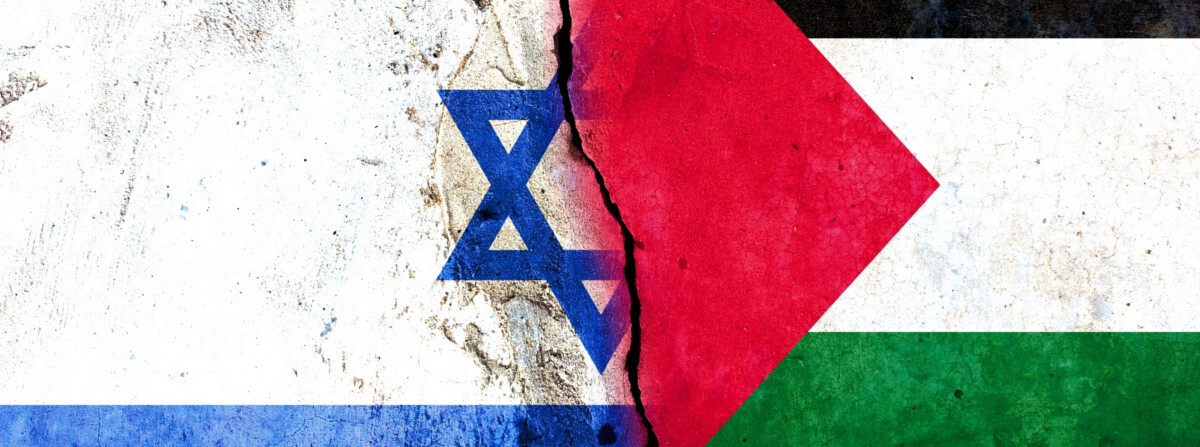
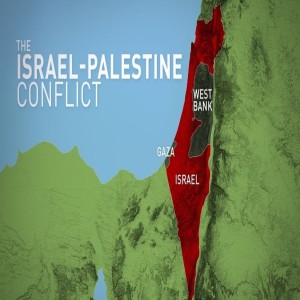
On this edition of Parallax Views, we wrap up our series on the Israel/Palestine conflict with John Dugard, international law scholar and former UN Special Rapporteur on the Situation of International Human Rights and Humanitarian Law in the Palestinian Territories. Born in South Africa, Prof. Dugard was a prominent critic of his home country's apartheid regime. His work on Israel/Palestine is particular of interest in light of the recent reports by Human Rights Watch and Israeli human rights organization B'tselem invoking apartheid in relation to Israel. Prof. Dugard invoked the question of apartheid years prior to the publication of either aforementioned report this year.
Dugard and I will be discussing a number of issues including the question of apartheid, the role of the international community in resolving this conflict long-term, why he believes the U.S. has disqualified itself as a broker of peace, the U.S. blocking of UN statements concerning the latest developments in the conflict, the International Criminal Court, right-wing demagoguery in Israeli politics, and much, much more.
* Please note that this episode was recorded just hours before the announcement of the latest ceasefire between Hamas and Israel.

May 20, 2021
May 20, 2021
30 min

On this edition of Parallax, although a ceasefire appears to be on the horizon between Israel and Hamas, it still worth discussing the latest developments in the Israel/Palestine for those concerned about international relations, peace, and justice.
Phyllis Bennis of the Institute for Policy Studies is the author of the recent book Understanding the Palestinian-Israeli Conflict: A Primer. She joins us on this edition of the show to discuss the latest chapter in the Israel-Palestine conflict, changing U.S. public opinion on the conflict, human rights violations of the Israeli occupation of Gaza, the history of the U.S.-Israel special-relationship, and much, much more.
May 20, 2021
May 20, 2021
29 min
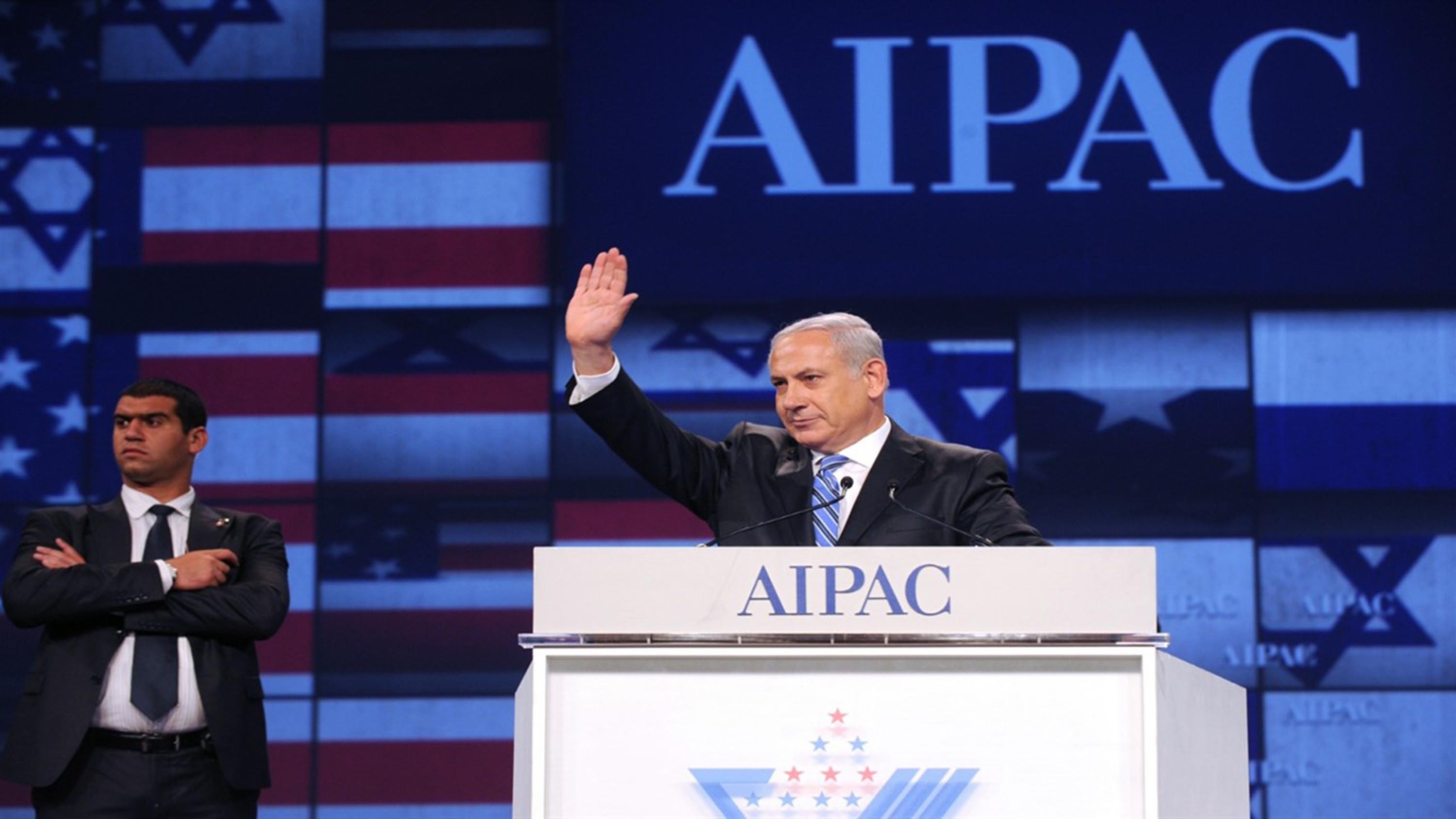
On this edition of Parallax Views, human rights attorney and international law expert Scott Horton joined Parallax Views to discuss the Israel/Palestine conflict in light of recent events and flare-ups in the conflict including Israeli airstrikes on Gaza and news of a potential ceasefire. In addition, Scott and I discuss the issue of the America-Israel Public Affairs Committee (AIPAC), or the Israel lobby, and its waning influence on Capitol Hill due to the rise of direct competition in the form of J Street and AIPAC's gamble to ally itself more fully with the Republican Party.

May 19, 2021
May 19, 2021
1hr 8 min

On this edition of Parallax Views, University of San Francisco-based international relations scholar Stephen Zunes joins us to continue our exploration of recent events involving Israeli airstrikes, the Sheikh Jarrah district of East Jerusalem, Hamas, Gaza, and U.S. foreign policy. In this conversation we discuss a number of issues with a special focus on U.S. support of Israel on Capitol Hill. Additionally, we dive into the Israeli airstrike that took down an Associated Press building, the Last Week Tonight with John Oliver segment that was extremely critical of Israel, the potential misuses criticizing AIPAC, antisemitism, claims that the recent violence was the result of a plot by either Iran or Benjamin "Bibi" Netanyahu, the misuse of antisemitism to stifle criticism of action taken by Israel as a state, U.S. foreign policy's long history of supporting oppressive regimes, the generational gap about views on Israel/Palestine in the U.S. states, the issue of racism and settler-colonialism, and much, much more.

May 18, 2021
May 18, 2021
56 min
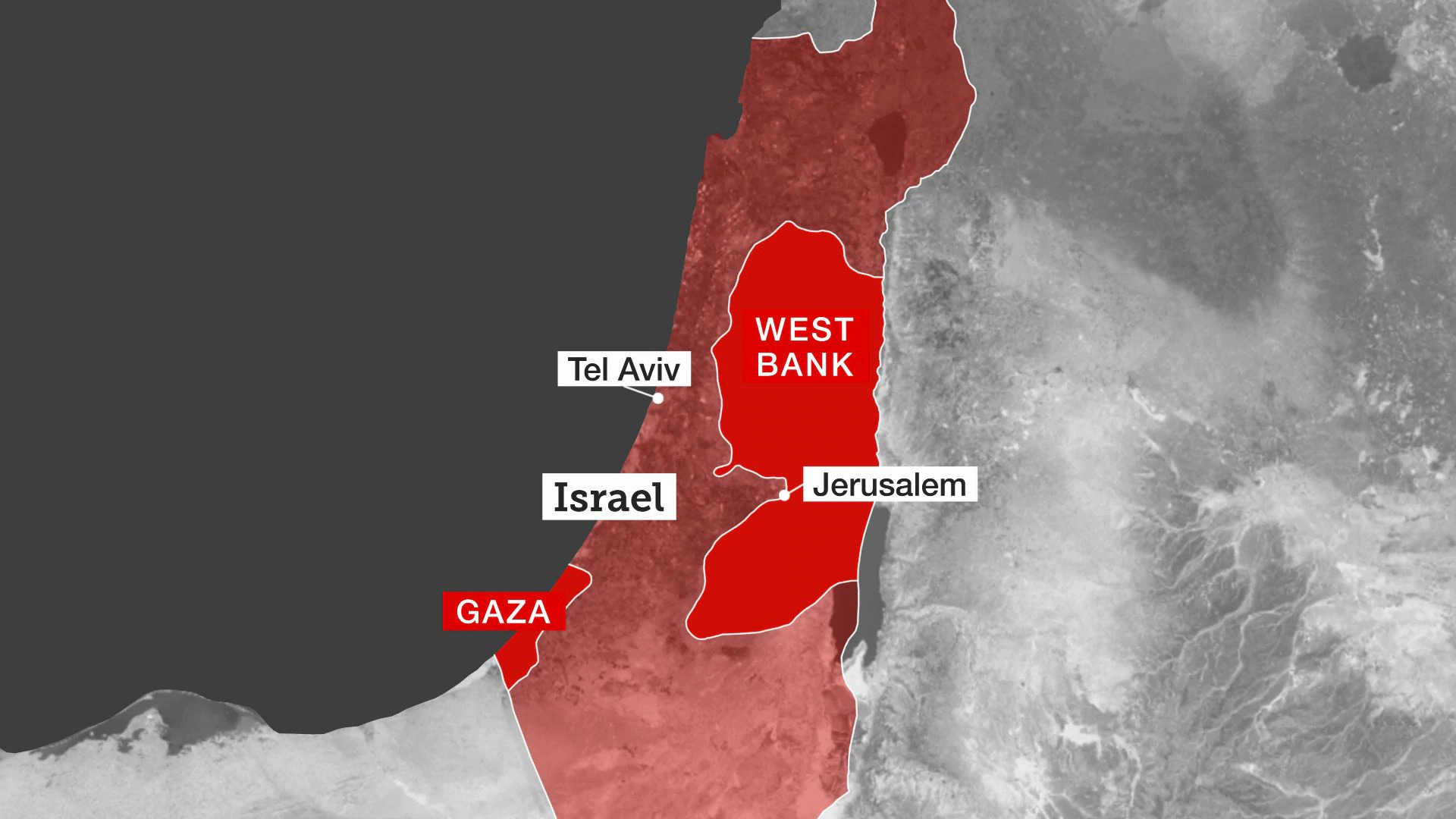
On this edition of Parallax Views, the first in what will be a series of programs on the Israel/Palestine conflict in light of recent events. Israeli journalist/blogger Yossi Gurvitz of Mondoweiss joins us on this addition of the program to discuss what has been happening with the conflict since the tensions heated up over the Sheikh Jarrah district of East Jerusalem, the burning of the al Aqsa Mosque, Hamas firing rockets into Israel, and Israel's launching of airstrikes on Gaza in response.
Additionally, Yossi and I discuss the legacy of the radical Orthodox Jewish ultranationalist Rabbi Meier Kahane. Kahane formed the Kach Party in Israel and advocated for expulsing Palestinians from Israel as evidenced by one of his catchphrases "Arabs Get Out!". Although Kahane was assassinated in New York City in 1990 and the Kach Party was banned in Israel in 1994, followers of Kahane and Kahanism live on. Specifically Otzma Yehudit (Jewish Power Party) leader Itamar Ben-Gvir, a follower of Kahane, won a seat in the Knesset this past March and was involved in the recent tensions related to the Sheikh Jarrah district of East Jerusalem. Yossi argues that the right-wing ultranationalism of Kahanism has gone mainstream in Israel.
Also discussed: the recent Human Rights Watch and B'Selem report, the experience of sheltering in a bunker during this latest round of violent conflict, and much, much more.
May 15, 2021
May 15, 2021
56 min

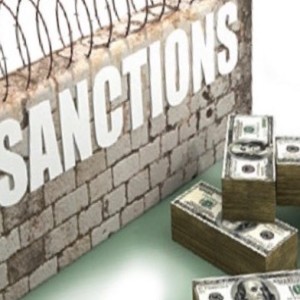
On this edition of Parallax Views, what are the impacts of unilateral coercive measures like sanctions on countries like Iran, Syria, and Venezuela? Although sanctions have been justified as a way to punish nations for alleged human rights violations, do unilateral sanctions themselves potentially violate human rights? Should sanctions be lifted during a crisis like the one caused by COVID-19?
Questions like these have arisen especially in light of the coronavirus pandemic. Joining us to unpack the issue of unilateral coercive measures, the negative impacts of sanctions, and human rights is UN Special Rapporteur on Negative Impact of Unilateral Coercive Measures on Human Rights and Professor of International Law Dr. Alena Douhan joins us to unpack the issues around sanctions. In her role as a UN Special Rapporteur Dr. Douhan has visited Qatar and Venezuela and provides her thoughts on the negative impacts of sanctions on the civilian populations of Iran, Syria, and other countries. In this conversation we cover these matters as well as the concept of the right to development, the problem of U.S. emergency declarations as they relate to unilateral coercive measures, overcompliance with sanctions and what it causes for sanctioned nations, and the human rights issues related to the U.S.'s "Rewards for Justice" program.

May 14, 2021
May 14, 2021
55 min

On this edition of Parallax Views, President Barack Obama's Deputy National Security Advisor famously to Washington D.C.'s bipartisan foreign policy consensus as the "the Blob". For critics and skeptics of the dominant beltway views of U.S. foreign polciy today, this description has proven apt. The D.C. foreign policy "Blob", critics argue, has entangled the U.S. in a quagmire of "Forever Wars" in countries like Iraq and Afghanistan that have been a net negative for the U.S. and the world.
Joining us to unpack the concept of the D.C. Blob, or Capitol Hill's bipartisan foreign policy consensus, is Doug Bandow, a former Special Assistant to President Ronald Reagan, Senior Fellow at the libertarian CATO Institute, regular contributor at Antiwar.Com, and staunch U.S. foreign policy critc. Initially this conversation was sparked by Doug's op-ed on infamous Iran/Contra participant and longtime beltway mainstay Elliot Abram's announcement of a new neoconservative, pro-interventionist/pro-war think tank called the Vandenberg Coalition. However, the conversation proves much broader in tone as we delve into issues related to foreign policy ideology in D.C., the announced U.S. withdrawal from Afghanistan after 20 years, American Exceptionalism, Robert Kagan's recent op-ed in Foreign Affairs chastising the American people for their lack of commitment to U.S. military adventurism, the problem of sanctions, elite attitudes in D.C. and the its disconnection from the broader population, Doug's view as a libertarian on U.S. foreign policy toward Venezuela, Charles Koch and the Quincy Institute, and much, much more.
May 12, 2021
May 12, 2021
48 min
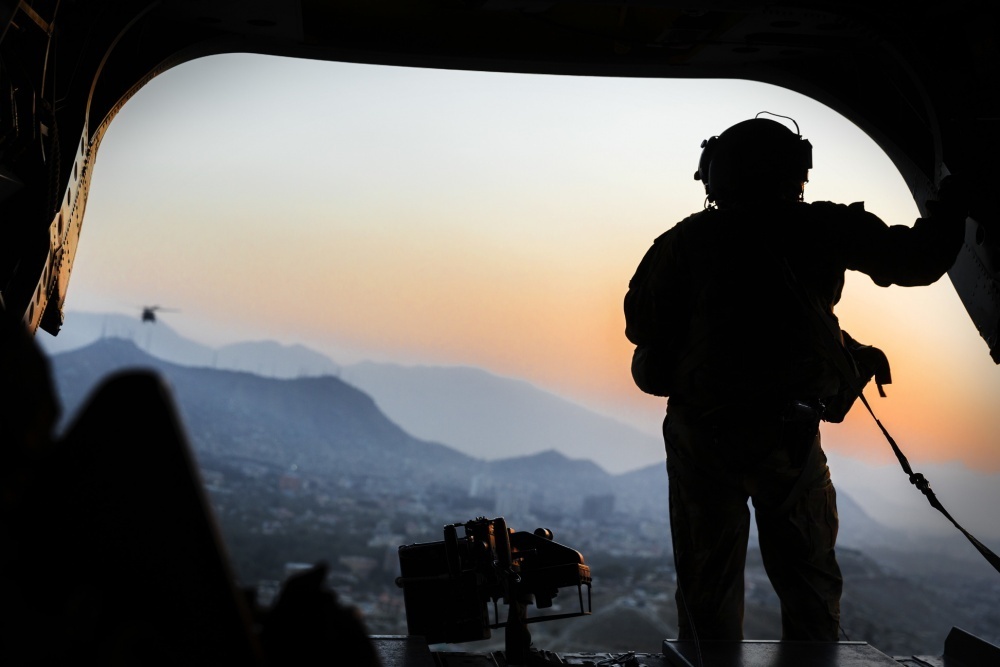
On this edition of Parallax Views, what does President Joe Biden's decision to withdrawal troops from Afghanistan mean in the context of America's history with war and foreign intervention? Joining us to discuss this and the history of U.S. foreign policy in Afghanistan is the Watson Institute's Stephen Kinzer, author of Overthrow: America's Century of Regime Change from Hawaii to Iraq. This conversation was spurred on by Kinzer's April op-ed in the Boston Globe entitled "In Biden’s pledge to withdraw from Afghanistan, the prospect of turning an imperial tide".
We begin by delving into the origins of how Stephen Kinzer developed his thinking on foreign policy, which in contrast to the D.C. consensus, emphasize restraint and skepticism towards the supposed effectiveness and benefits of imperial adventurism and foreign interventions. From there we delve into the origins of U.S. imperial ambitions and the American Exceptionalism that fuel those ambitions. In this regard Kinzer discusses an early intervention into the Philippines as well as detailing how the ethos of America's right to rule informs an understanding of historical that is to the detriment of learning history's lesson.
From there we dive into the deep history of America's foreign intervention into Afghanistan following the events of September 11th, 2001. Kinzer notes how Afghanistan has fought foreign invaders many times over the course of centuries, and then takes us back to the overthrow of the Shah of Iran in 1979 and the Soviet-Afghan conflict of the Cold War. We go on to discuss the role of the CIA in the Soviet-Afghan conflict by way of its support of the mujahedeen and how this relates to the genesis of the Taliban. In this regard Kinzer responds to criticism that critics of U.S. foreign policy are "conspiracy theorists" who believe that the U.S. created jihadist militant organizations like al Qaeda. We also take some time to discuss how Operation Ajax, the covert operation that overthrew the democratically elected Prime Minister of Iran Mohammad Mossadegh in 1953, may also arguably create a domino effect of decades-spanning, far-reaching consequences that would eventually. Moreover, Kinzer discusses pushback against criticisms of the U.S. role in the growth of jihadist terrorism vis-à-vis accusations that such criticisms are based on conspiracy theories claiming that the United States directly created al Qaeda. In addition, Stephen Kinzer discusses the role of Saudi Arabia and Pakistan's ISI (intelligence services) in this area as well.
We conclude the conversation by delving into the importance of Biden's statements concerning withdrawal and that Afghans must decide their future rather than Americans. Additionally, Kinzer discusses how we are moving towards a multipolar world and how a combination of foreign policy restraint and better domestic policies at home will actually benefit not only our national security but the well-being of ourselves and other countries more than continued foreign interventions. Moreover, Kinzer makes notes of how the American people, if not the beltway itself, are now embracing a more restrained vision of America's role in the world that stands in contrasts to D.C. stalwarts like Robert Kagan and Samantha Power

May 10, 2021
May 10, 2021
1hr 8 min

On this edition of Parallax Views, Bill Gates has been the target of many a conspiracy theory in lieu of the COVID-19 pandemic and the COVID vaccine. But does this obscure other criticisms of Bill Gates in regards to the vaccine roll-out during the pandemic? Particularly, has Gates' adherence to intellectual property (IP) had negative impacts on the global vaccine roll-out, specifically in the global south? Journalist Alexander Zaitchik has written an extensive piece on this matter for The New Republic entitled "How Bill Gates Impeded Global Access to Covid Vaccines". Zaitchik joins us to discuss some of the main points of this important piece as well as discussing the broader history of intellectual property, problems with intellectual property, how Bill Gates' thinking on IP and vaccines is a symptom of a problem rather than the problem itself, the Gates Foundation, the World Health Organization (WHO), the vaccine supply crisis globally, the role James Love of Knowledge Ecology International played in Zaitchik's piece, failures of the COVID ACT accelerator, early plans, ideas, and strategies for dealing with COVID-19 vs. how it has been handled since, pharmaceutical companies, public health vs. intellectual property, the libertarian/free trade critique of intellectual property-based patent systems, and much, much more. In reading Zaitchik's reporting one gets the impression that the poorest countries have suffered the most during the roll-out as compared to the richest countries. Is another way possible? Hopefully this conversation can give listeners a few ideas on that and related issues.
More About Parallax Views:
Over 1 million unique downloads!
Over 950+ episodes!
Ranked in the Top 100 Podcasts Covering "Armed Conflicts" by MillionPodcasts!
As featured in The Daily Dot:
Featured in the academic study of podcasts and podcast culture, The Podcaster's Dilemma:
Decolonizing Podcasters in the Era of Surveillance Capitalism
by Nicholas Brahmin II & Nolan Higdon