
A podcast where politics, history, and culture are examined from perspectives you may not have considered before. Call it a parallax view.
Parallax Views
w/ J.G. Michael
For 7+ years and over 600 episodes to date, J.G. Michael has been hosting and producing Parallax Views, a show with an eclectic variety of guests covering a broad range of topics including culture, current events, international relations, foreign policy, technology, cinema, literature, history, and more.
Previous notable guests include world-renowned anthropologist Wade Davis, philosopher Slavoj Zizek, Malcolm X's daughter Ilyasah Shabazz, forensic anthropologist and author of the BONES novel series Kathy Reichs, Pulitizer Prize-winning reporters like Michael Hiltzik and David Cay Johnston, Academy Award-nominated screenwriter and filmmaker John Sayles, Adult Swim's Casper Kelly (Adult Swim Yule Log, co-creator of Your Pretty Little Face is Going to Hell), world-class MMA fighter Jillian "Lionheart" DeCoursey, Harvard international relations scholar Stephen Walt, former President of the Federal Reserve Bank of Kansas City Thomas M. Hoenig, controversial filmmaker Uwe Boll, Pulitzer Prize-winning novelist Viet Thanh Nyugen, Ret. Col. Lawrence Wilkerson (Chief of Staff under Colin Powell), former FBI agent inside the CIA's Bin Laden Unit Mark Rossini, longtime union organizer and On the Line: A Story of Class, Solidarity, and Two Women's Epic Fight to Build a Union author Daisy Pitkin, UFC Hall of Famer Pat Miletich, legendary independent film producer/director Lloyd Kaufman of Troma, comic book artist Stephen Bissette (of Alan Moore's acclaimed Saga of the Swamp Thing), comedian Kate Willett, and bestselling authors like Nomi Prins, Greg Palast, Noam Chomsky, Neil Howe, James Bamford, Jacob Silverman, Thom Hartmann, Stephen Singular, Nina Burleigh, John Perkins, Christopher Leonard, Thomas Frank, and many others.. Whether J.G. is interviewing an entertainer, an academic, a former military or intelligence official, or an average Joe he hopes to expose listeners with ways of looking at the world they may not have considered before. Call it a Parallax View.
Additionally, Parallax Views / J.G. Michael is known for interviewing figures from across the political spectrum. From Unherd U.S. editor Sohrab Ahmari and former National Review correspondent Kevin D. Williamson to The Nation publisher Katrina Vanden Heuvel and The American Prospect executive editor David Dayen.
Twitter: https://twitter.com/ViewsParallax
Email: parallaxviewspod@protonmail.com
Please Support Me on Patreon If You Support My Work or Enjoy the Show!:
https://www.patreon.com/parallaxviews
Episodes
Feb 26, 2021
Feb 26, 2021
1hr 10 min
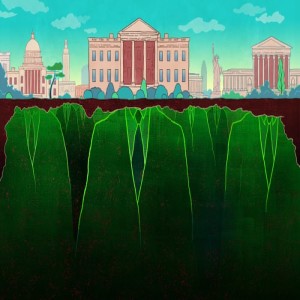
On this edition of Parallax Views, what is the meaning of the term deep state? Is the concept dangerous in light of the rise of QAnon? Is there a usefulness to the concept when used in a different context and meaning than the way its been used by the QAnon movement? What of the left-wing uses of the term to describe the National Security State? Has the deep state created a society in which our horizons are limited by a militarization of the and moral and political imagination?
We explore those questions and many more in this panel discussion featuring international law scholar Prof. Richard Falk (professor emeritus of International Law at Princeton University), Prof. Peter Dale Scott (poet, essayist, and all-around maverick thinker who helped popularize the concept of the "Deep State" in the U.S.), and Aaron Good, Ph.D. Among the topics we discuss:
- Richard's conceptualization of the deep state as being the force behind the bipartisan U.S. foreign policy consensus in favor of militaristic approaches
- How Peter's conceptualization of the deep state differs from that of Trump supporters; Steve Bannon's hijacking of the term deep state and its shallowness
- Continuity of Government (COG), Operation Garden Plot, Rex 84, and 9/11
- The militarization of problem-solving and conflict resolution as a major threat to peace and harmony in our world
- How threats are used to bolster militarization; "The New Pearl Harbor", the Project for a New American Century (PNAC), and Dick Cheney and Donald Rumsfeld
- The deep state and the positive role it could play in addressing the climate change crisis
- Richard's belief that the military aspect of the deep state as the worst aspect of the deep state
- Peter's formulation of the deep state as including more elements than merely intelligence agencies and beltway institutions; the deep state as having warring faction (the right-wing being represented by groups like the John Birch Society)
- The possibilities of nuclear war as we move towards a New Cold War with China (and Russia)
- The current issues facing America today as a systemic failure related to economic globalization rather than simply an elite failure; the blowback of economic globalization's failing; the resurgence of the far-right on a global scale (specifically seen in countries like Brazil and the Philippines)
- Mass alienation in the U.S. and economic decline across the globe
- The multipolar world and hopes for the future
- Is the deep state more than merely the National Security State?
Feb 24, 2021
Feb 24, 2021
1hr 4 min
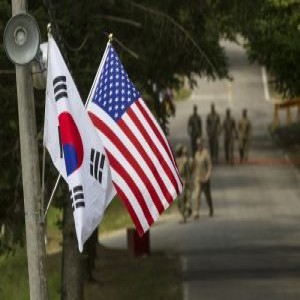
On this edition of Parallax Views, can there ever be peace on the Korean Peninsula? Tim Shorrock, an investigative journalist of high repute for The Nation, hopes so. But there are many obstacles and they are not necessariy simply to be laid at the feet of North Korea. In fact, there is a long history of tensions between the U.S. and North Korea and, in many cases Shorrock argues, North Korea is justified in its distrust of D.C. Shorrock joins us on this edition of the program to outline the history of those tensions and discuss his new article in The Nation entitled "Biden Is Adopting a Militaristic Approach to the Far East". In this regard we discuss the history of Kurt Campbell President Joe Biden's newly appointed director "Indo-Pacific Affairs" at the National Security Council. Campbell, Shorrock says, "a career diplomat and business lobbyist steeped in the traditional Cold War posture toward Asia." Shorrock and I also discuss the defense industry's role in the hawkish approach of U.S. foreign policy towards North Korea and China, the Center of a New American Security, George W. Bush and the neocons, and much, much more.
Feb 22, 2021
Feb 22, 2021
1hr 20 min
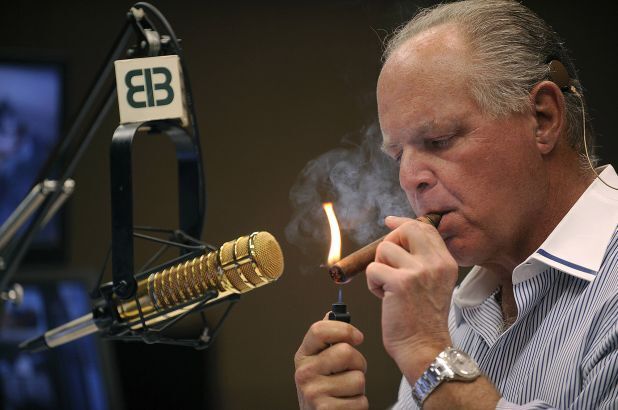
On this edition of Parallax Views, right-wing talk radio giant Rush Limbaugh passed away on February 17th, 2021 at the age of 71 from complications of his battle with lung cancer. Described in obituaries as "The Voice of American Conservativism", Limbaugh's polarizing discourse had a profound effect on the trajectory of the American right-wing from the post-Reagan era to the rise of Donald Trump. What is the legacy of this talk radio behemoth and what has it's impact been on society today?
Joining us to unpack those two questions is scholar John K. Wilson, author of The Most Dangerous Man in America: Rush Limbaugh's Assault on Reason (2011; Thomas Dunne Books). For years Wilson listened to Limbaugh to understand and keep tabs on the pulse of American conservativism and its thought. In this conversation he takes us through Limbaugh's many fabrications, his promotion of conspiracy theories, views on climate change, the impact he as well the likes of Roger Ailes and Fox News had on the media landscape, Limbaugh as an entertainer, Limbaugh's effect on academia, and much, much more. In addition to all of this Wilson and I have a discussion about the Fairness Doctrine and whether it's repeal during the Reagan era is really the reason for Limbaugh's rise to prominence. In this regard we chat about the issue of free speech and Wilson's views on why the Left should not allow the Right to claim free speech or, for that matter, freedom and liberty as a conservative issues. All that and much more on this edition of Parallax Views.
LINKS:
"The Death of Rush Limbaugh, and How He Transformed America" by John K. Wilson (Academe Blog)
Feb 20, 2021
Feb 20, 2021
1hr 1 min
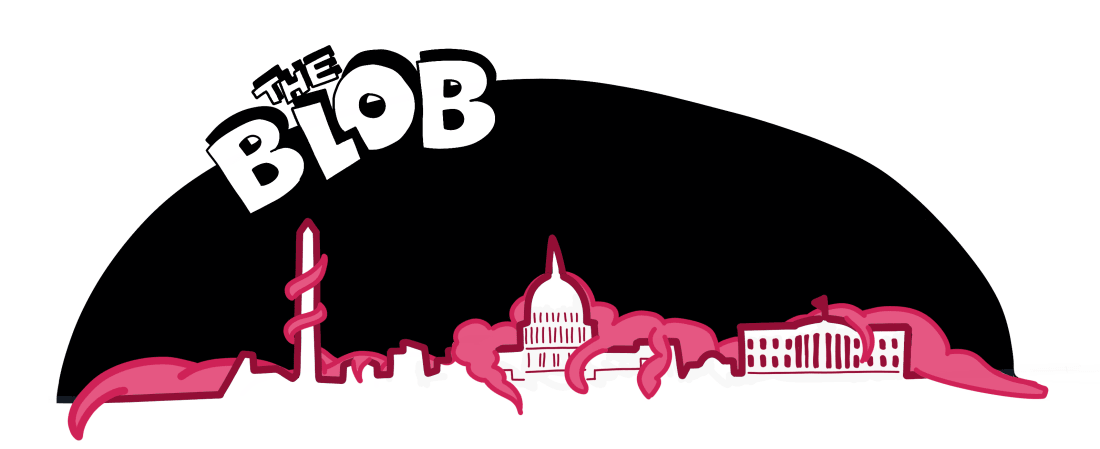
On this edition of Parallax Views, the Quincy Institute for Responsible Statecraft is attempting to change the conversation about foreign policy in Washington, D.C. today. In dong so they're challenging what has been referred to as the Washington "Blob", or the foreign policy consensus that dominates the beltway. A trans-partisan effort that boasts voices from both the right and left ends of the political spectrum, the Quincy Institute has been promoting the possibilities of diplomatic approaches to foreign policy over the hawkish, militaristic approaches.
Kelley Vlahos, who plays a key role in the Quincy Institute's official online magazine Responsible Statecraft, joins us to discuss the work of the Institute and make the case that U.S. "Forever Wars" have not been in the national interest. In this conversation we discuss a number of different topics related to foreign policy from U.S. relations with North Korea and Russia to the Iran deal and the wars in Afghanistan and Iraq. Kelley offers her thoughts on what she considers the damage that's been done by the D.C. "Blob" and why she believes the conversation on foreign policy is finally shifting to a different approach. In addition, Kelley discusses her latest article for Responsible Statecraft entitled "In major address Biden says ‘America is back.’ But what does that mean?". In this regard Kelley and I discuss what direction President Joe Biden's U.S. foreign policy may be headed in, her hopes that it will show more restraint in its approach, and how the previous Presidential administration of Donald J. Trump did not deliver on its promises concerning a major sea change in U.S. foreign policy. Near the end of the program Kelley fills listeners in own her own podcast The Empire Has No Clothes at The American Conservative. All that and more on this edition of Parallax Views.
Feb 19, 2021
Feb 19, 2021
1hr 39 min

On this edition of Parallax Views, Aaron Good, a protégé of previous Parallax Views guest Peter Dale Scott, joins us to discuss his dissertation American Exception: Hegemony and the Dissimulation of the State. Hot off his appearance on TrueAnon, Aaron explains to us his concept of the Tripartite State as it relates to ideas about the Democratic State, the National Security State, and finally (and most controversially) the Deep State (although Aaron's conception of the Deep State, much like Peter Dale Scott's, is very different than the popular QAnon formulation of the concept). In this conversation we discuss:
- Peter Dale Scott's conception of the "Overworld" and Underworld of power.
- How Aaron became involved in subjects related to Scott's work
- The formation of the CIA and its relation to Wall Street
- U.S. supported coup d'états and support of Latin American death squads
- The Nixon era, Watergate, the Church Committee, the election of Ronald Reagan, and America's political realignments
- The John Birch Society, the Council on Foreign Relations (CFR), the Trilateral Commission and other organizations/groups
- The Bank of Credit and Commerce International (BCCI) scandal, The Safari Club, international arms dealer Adnan Khashoggi of Iran/Contra infamy, intelligence agencies, and other skullduggery
- Alliances between the mob and capitalism; United Fruit Company; Meyer Lansky; Nugen-Hand Bank; CIA agent Miles Copeland's comments about a "CIA within a CIA"
- The revolving door between government, particularly intelligence agencies, and the private sectors of the military-industrial-complex
- John Locke, the State of Emergency and Continuity of Government (COG)
- Nazi legal theorist Carl Schmitt, the Cold War, and the concepts of the Dual State, the State of Exception, and the Sovereign
- The hegemonic nature of what Aaron calls the Tripartite State
- Peter Dale Scott's ideas about parapolitics and deep politics; the deep political system
- Aaron and Peter Dale Scott's recent CovertAction Magazine essay "Was the Now-Forgotten Murder of One Man on September 9, 2001 a Crucial Pre-condition for 9/11?"
Feb 17, 2021
Feb 17, 2021
1hr 3 min
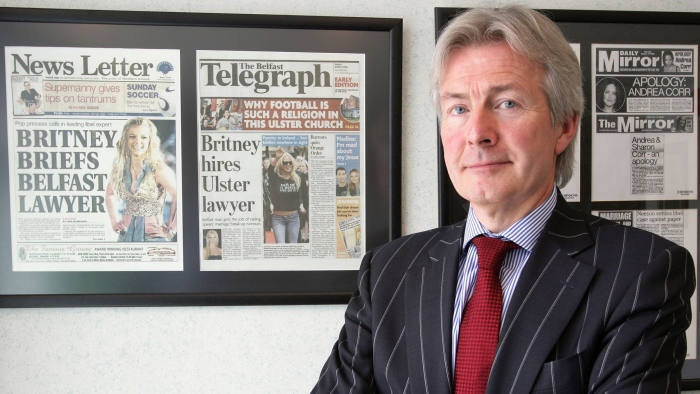
On this edition of Parallax Views, much has been made, on both the the political right and left, of the power big tech giants like Google, Facebook, and Twitter wield in our lives. Dublin-based lawyer Paul Tweed, known as "The Doyen of Defamation", joins us to discuss how he is taking on these big tech giants directly and why he views Facebook and Twitter as publisher rather than mere platforms. Tweed is rather well-known and a high-profile lawyer. He's represented Liam Neeson (more on that in the conversation!), Brittney Spears, "J-Lo" Jennifer Lopez, and many others. In this conversation we discuss big tech giants dodging taxes, the dangers of print media's decline, big tech as worse than George Orwell's 1984, censorship, fake news and misinformation, why Tweed considers Facebook and Twitter publishers instead of platforms, Facebook attempting to be its own judge and jury (it's own supercourt?), regulating websites like Facebook and Twitter, online revenge porn, Facebook and Twitter as creating a "Frankenstein's monster", social media sucking money out of investigative journalism, antitrust legislation, and much, much more.
Feb 15, 2021
Feb 15, 2021
1hr 6 min
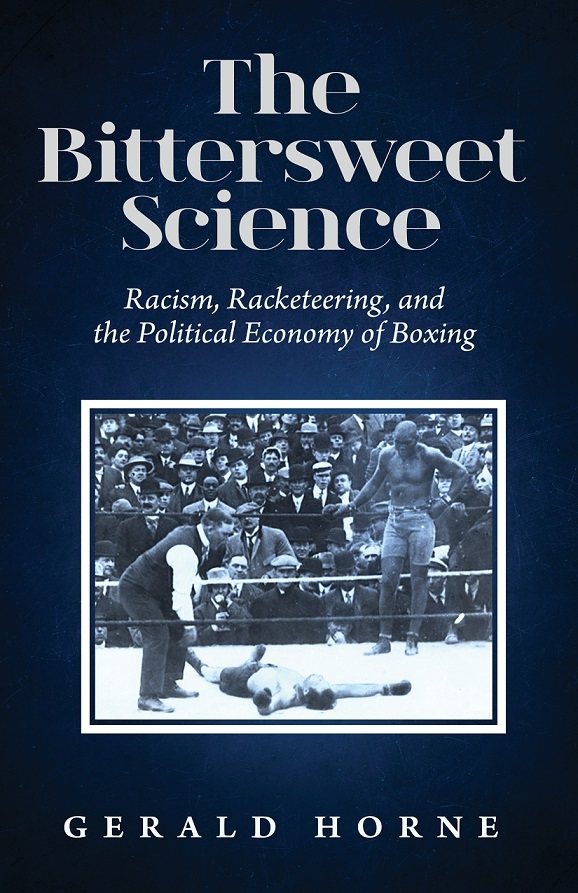
On this edition of Parallax views, boxing is known as the "Sweet Science" due to its technical aspects. Historian Gerald Horne, however, offers a different perspective on the sport and its history in The Bittersweet Science: Racism, Racketeering, and the Political Economy of Boxing. In this book Horne explodes the untold story of boxing as it relates to racism, capitalism, deregulation, and the exploitation of labor. Horne joins us on this edition of the program to delve deep into the untold aspect of the sport and thus provide a fresh take on the history of boxing in America. From the days of the slave battle royales to the stories of Sonny Liston, Muhammad Ali, Jack Johnson, Joe Gans and other legends of the ring Horne takes us on a journey that encompasses the shadows of Reagan and Nixon, the mob, the "Great White Hope" trope, boxing promoters like , the lack of unions for boxers, match-fixing, Watergate, Roy Cohn, the business-side of boxing as an example of capitalism unchained and unregulated, and much, much more. Also in this conversation, Horne explains the connection between his previous works on settler-colonialism and this latest work on the subject of boxing and the dark underbelly of its illustrious history. And yes, we do make mention of Floyd Mayweather. All that and more on this edition of Parallax Views,
Feb 13, 2021
Feb 13, 2021
1hr 17 min

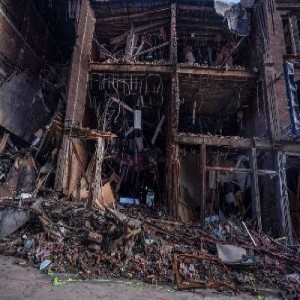
On this edition of Parallax Views, remember the Nashville bombing of Christmas 2020? You may not as it fell down the proverbial memory hole pretty quickly. However, our guest on this edition of the program, Steve O'Keefe, has had the incident on his mind.
O'Keefe has an interesting perspective on the Nashville bombing due to his background: he formerly worked for the controversial publisher Loompanics Unlimited. Loompanics specialized in books that could be described as illegalist literature. Loompanics Unlimited managed to enrage leftists, liberal, libertarians, and rightists alike in the 1980s and 1990s, although it could be said that Loompanics itself was of a individualist anarchist bent in its general political philosophy.
At the beginning of this conversation details the history of Loompanics, the books it published and sold, and tells us a little bit about its publisher Mike Hoy. In doing so Steve lays the groundwork for giving a different perspective on the Nashville bombing based on his editing of books that dealt with illegal activities while working at Loompanics.
Recently, Steve wrote a piece for Counterpunch entitled "The Nashville Bombing, More Than Meets the Eye" which raises questions about the Nashville bombing and the fact that a single, 65 year old man like Anthony Quinn Warner could pull off such an explosion with a simple bomb and an RV. Warner's actions led to his death as well as the injury of 8 civilians and the destruction of a great amount of property in downtown Nashville. Steve explains in detail the problems that arise from the fact that Warner was, if the account of the events as it is currently understood, acting alone. That said, Steve also argues that Warner may have learned how to pull off the explosion through others and/or a network. Either way, however, Steve believes that the incident is troubling and concerning. Given Steve's experience editing literature related to bombs, weapons, and illegal activities I think he provides and interesting perspective on the Nashville bombing. This conversation delves into issues related to the AT&T building's hydrogen material that could've allowed for a bigger explosion, the question of how Warner would've know about those hydrogen materials, the vulnerabilities of telecommunications facilities like AT&T, asymmetric warfare and terrorism, the tight-lipped response of law enforcement in regards to the bombing, why after the publication of the article Steve has come to believe Warner didn't build a superbomb, Warner evading the attention of authorities, whether or not Warner worked alone, and much, much more. Additionally we have a bit of an extended discussion later on about Loompanics and whether said books should be protected by the Second Amendment, etc.
NOTE: The views expressed by Steve O'Keefe are his own.
Feb 12, 2021
Feb 12, 2021
50 min
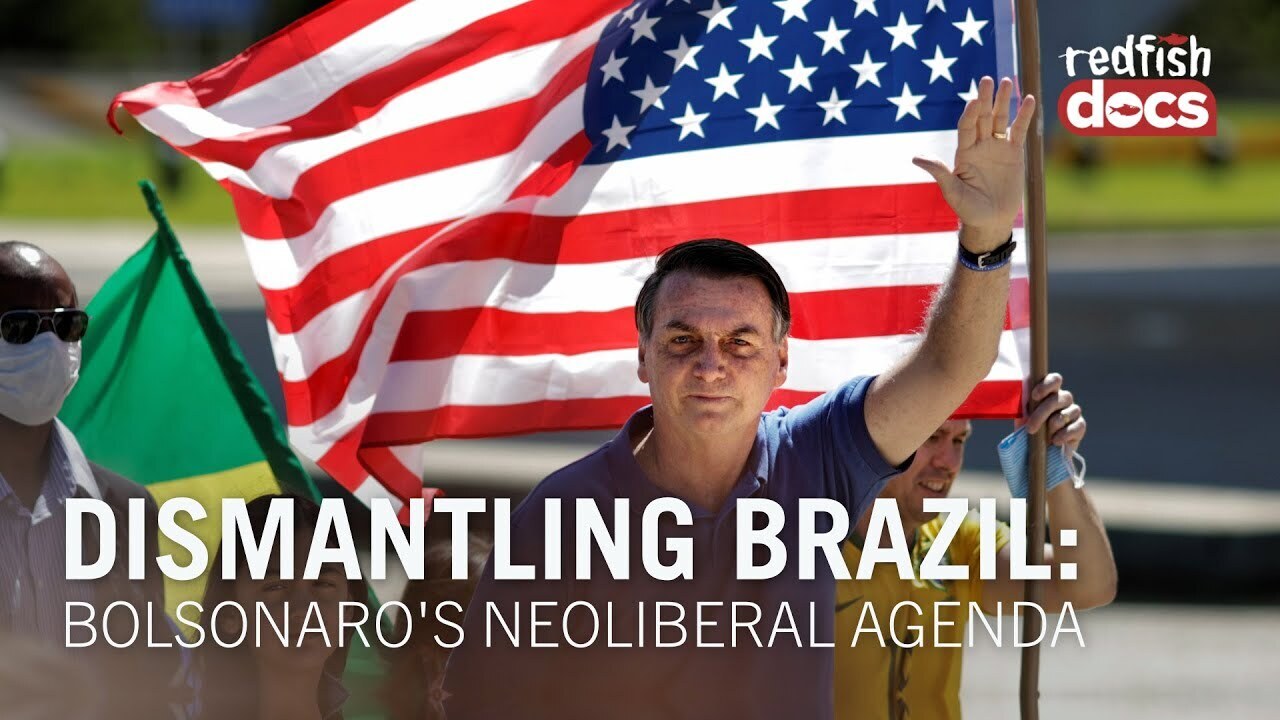
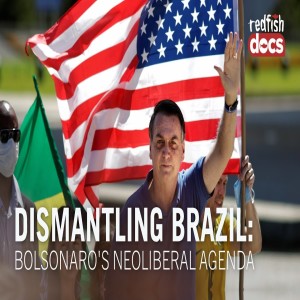
On this edition of Parallax Views, the right-wing President of Brazil Jair Bolsonaro has often been looked at as the Brazilian equivalent of Donald Trump. But who is Bolsonaro? How did he get into power? Who are the forces that have backed his regime? Brian Mier of teleSUR English and BrasilWire joins us on this edition of Parallax Views to answer all those question and more. Brian's new documentary, Dismantling Brazil: Bolsonaro's Neoliberal Agenda, lays out how Bolsonaro has dismantled Brazil economically thus leaving the average people and the poor of Bolsonaro's Brazil in the dust. Brian explains how the the rich and wealthy have reaped all the benefits from the reign of Bolsonaro and his regime. In fact, he says Bolsonaro's Presidency has led to a massive wealth transfer to the rich, Brazilian businessmen, and international capital.
In addition to discuss these matters Brian also details how the Java Lato and Operation Car Wash were used to dispose of President Lula da Silva and Dilma Rousseff and thus lead to the installment of Jair Bolsonaro. In this regard, Brian tells the story of the Brazilian judge Sergio Moro and his role in getting Bolsonaro to power. Brian makes the case that President Lula da Silva and his allies were removed via trumped up corruption charges. The true heart of corruption, however, according to Brian is Bolsonaro, who, it should be added, has styled himself as an everyday man even though he is anything but that.
Brian and I mention the works of former CIA agent turned whistleblower Philip Agee of CovertAction Magazine (author of Inside the the Company: CIA Diary) and John Perkins (author of Confessions of an Economic Hitman) in the course of this conversation as being worthwhile to further understanding the U.S.'s relationship to Brazil over the years. Brian details how the U.S. has supported military dictatorship in Brazil over the decades and the ways in which Bolsonaro represents a kind of "subfascism" that subordinates itself to American interests rather than simply Brazilian nationalism.
All that and more on this edition of Parallax Views!
Feb 11, 2021
Feb 11, 2021
41 min
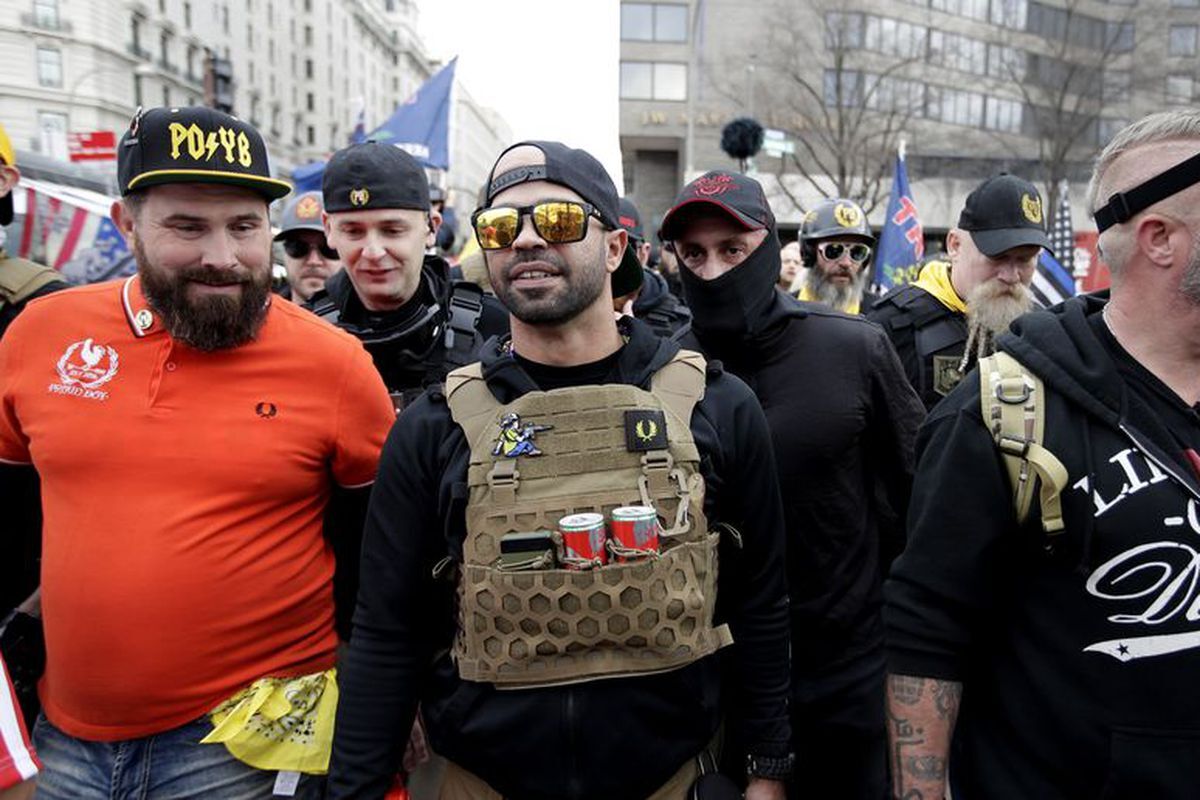
On this edition of Parallax Views, in late January 2021 it was reported by such legacy media outlets as Reuters, The New York Times, and The Washington Post that Enrique Tarrio, a leader of the far-right Proud Boys, had acted as an informant for both local and federal law enforcement from 2012-2014. Tarrio was arrested in Washington, D.C. on January 4th, just two days prior to the now infamous January 6th storming of the Capitol carried about by pro-Trump elements like QAnon and "Stop the Steal", on a destruction of property charge. This, however, was not the Cuban-American Proud Boy leader's first arrest and, indeed, Tarrio has prior arrest and convictions to his name dating back to 2004. Based on transcripts from a 2015 federal court hearing obtained by the new agency Reuters, journalist Aram Roston reported:
"In the Miami hearing, a federal prosecutor, a Federal Bureau of Investigation agent and Tarrio’s own lawyer described his undercover work and said he had helped authorities prosecute more than a dozen people in various cases involving drugs, gambling and human smuggling."
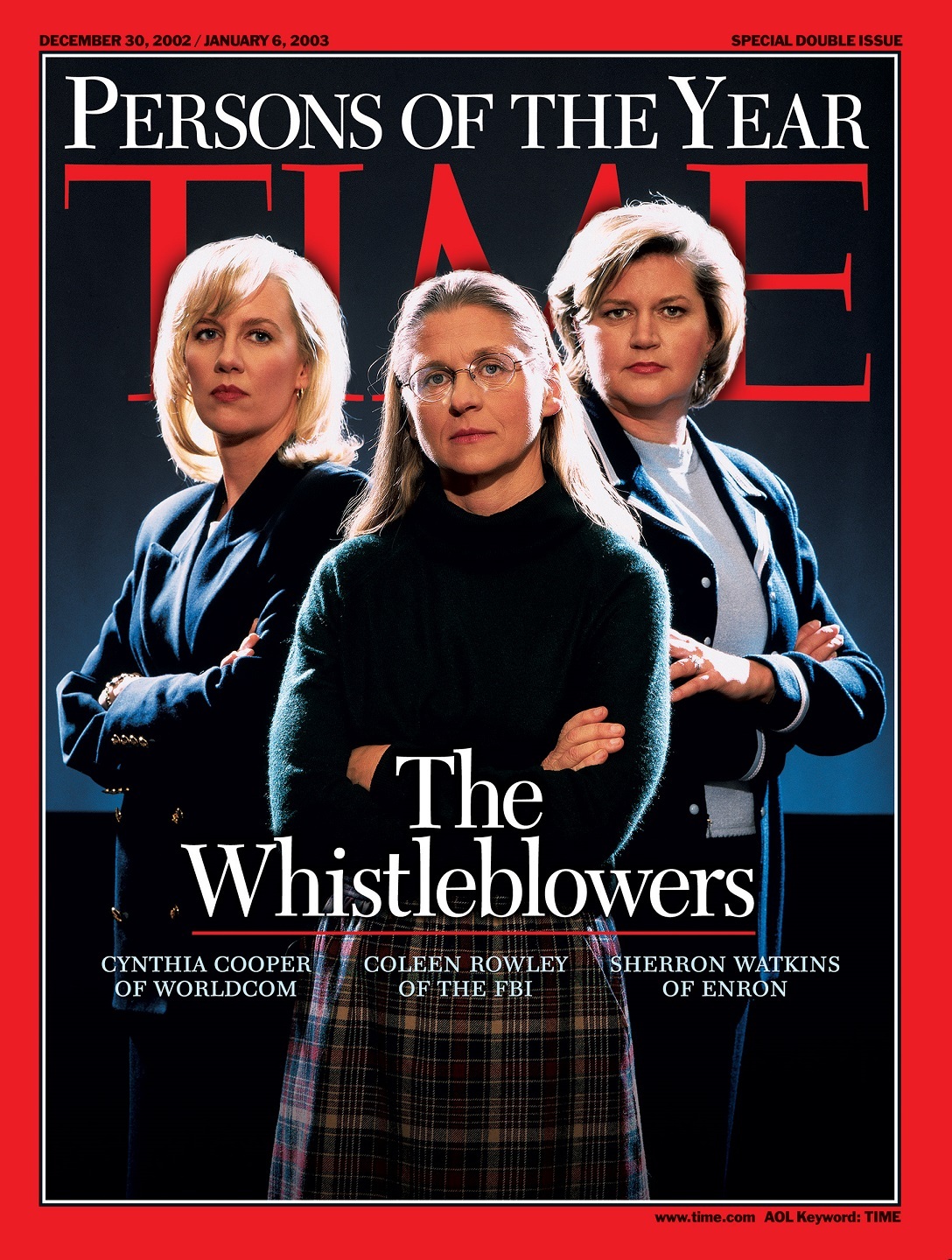
Tarrio has denied acting as an informant for law enforcement. But, given the evidence, it would appear that Tarrio's denials contradict the reality. Although his cooperation with federal law enforcement predates the January 6th Capitol siege, does Tarrio's work as an informant raise questions about how the FBI operates its confidential sources? Ret. FBI Special Agent Coleen Rowley, most known for her whistleblowing in relation to 9/11 intelligence failures culminating in her testifying before the Senate and 9/11 Commission and appearing on the cover of TIME magazine, joins us to discuss what she refers to as "problematic issues of operating confidential sources" in light of these revelations about Enrique Tarrio as outlined in her recent op-ed "Curiouser and Curiouser: The Proud Boys’ Leader as a ‘Prolific’ Law Enforcement Confidential Source".
In this conversation we discuss a number of issues related to the broader problem of how confidential sources are used in the FBI including:
- J. Edgard Hoover, COINTELPRO, and the FBI targeting of feminist and civil rights groups; the fall-out the FBI faced over the Church Committee investigation into these matters; Rowley's insight into these matters as someone who began working for the FBI around the time of the Church Committee fallout
- The infamous case of Whitey Bulger, the Irish-American Boston organized crime boss who also acted as an informant for federal law enforcement
- The motivations of confidential sources; the "Good Citizen" category; the problem of confidential sources that don't fit the "Good Citizen" category (which Coleen argues is most cases)
- The story of Lindley DeVecchio, Coleen's former boss, who acted as the handler for mob informants; DeVecchio was responsible for Colombo crime family capo Gregory Scarpa
- The Department of Justice Inspector General 2005 study and 2019 audit that reveal the problems of how informants are operated by federal law enforcement; the incentives for informants and problems that arise from that
- Investigative journalist Trevor Aaronson's "The Terror Factory: Inside the FBI's Maufactured War on Terrorism" and how federal agencies benefit from these post-911/War on Terror operations involving confidential sources
- Is there adequate control or oversight with regards to the use of these confidential sources and informants by the FBI?
- The possibility for reform
- And much, much more!
More About Parallax Views:
Over 1 million unique downloads!
Over 950+ episodes!
Ranked in the Top 100 Podcasts Covering "Armed Conflicts" by MillionPodcasts!
As featured in The Daily Dot:
Featured in the academic study of podcasts and podcast culture, The Podcaster's Dilemma:
Decolonizing Podcasters in the Era of Surveillance Capitalism
by Nicholas Brahmin II & Nolan Higdon