
A podcast where politics, history, and culture are examined from perspectives you may not have considered before. Call it a parallax view.
Parallax Views
w/ J.G. Michael
For 7+ years and over 600 episodes to date, J.G. Michael has been hosting and producing Parallax Views, a show with an eclectic variety of guests covering a broad range of topics including culture, current events, international relations, foreign policy, technology, cinema, literature, history, and more.
Previous notable guests include world-renowned anthropologist Wade Davis, philosopher Slavoj Zizek, Malcolm X's daughter Ilyasah Shabazz, forensic anthropologist and author of the BONES novel series Kathy Reichs, Pulitizer Prize-winning reporters like Michael Hiltzik and David Cay Johnston, Academy Award-nominated screenwriter and filmmaker John Sayles, Adult Swim's Casper Kelly (Adult Swim Yule Log, co-creator of Your Pretty Little Face is Going to Hell), world-class MMA fighter Jillian "Lionheart" DeCoursey, Harvard international relations scholar Stephen Walt, former President of the Federal Reserve Bank of Kansas City Thomas M. Hoenig, controversial filmmaker Uwe Boll, Pulitzer Prize-winning novelist Viet Thanh Nyugen, Ret. Col. Lawrence Wilkerson (Chief of Staff under Colin Powell), former FBI agent inside the CIA's Bin Laden Unit Mark Rossini, longtime union organizer and On the Line: A Story of Class, Solidarity, and Two Women's Epic Fight to Build a Union author Daisy Pitkin, UFC Hall of Famer Pat Miletich, legendary independent film producer/director Lloyd Kaufman of Troma, comic book artist Stephen Bissette (of Alan Moore's acclaimed Saga of the Swamp Thing), comedian Kate Willett, and bestselling authors like Nomi Prins, Greg Palast, Noam Chomsky, Neil Howe, James Bamford, Jacob Silverman, Thom Hartmann, Stephen Singular, Nina Burleigh, John Perkins, Christopher Leonard, Thomas Frank, and many others.. Whether J.G. is interviewing an entertainer, an academic, a former military or intelligence official, or an average Joe he hopes to expose listeners with ways of looking at the world they may not have considered before. Call it a Parallax View.
Additionally, Parallax Views / J.G. Michael is known for interviewing figures from across the political spectrum. From Unherd U.S. editor Sohrab Ahmari and former National Review correspondent Kevin D. Williamson to The Nation publisher Katrina Vanden Heuvel and The American Prospect executive editor David Dayen.
Twitter: https://twitter.com/ViewsParallax
Email: parallaxviewspod@protonmail.com
Please Support Me on Patreon If You Support My Work or Enjoy the Show!:
https://www.patreon.com/parallaxviews
Episodes
Aug 31, 2020
Aug 31, 2020
1 hr 5 min

On this edition of Parallax Views, in June of 1944, shortly after D-Day, the Nazis unleashed a wave of devastation on London with a superweapon. The Allies had expected retaliation from the Axis powers, but they had not expected the death machine that was the V-1 or Vergeltungswaffe (Vengeance Weapon One). Few within the Allied powers thought that they could counteract this new obstacle to defeating the Axis forces. And yet, in a story of human ingenuity defying the odds, a rag tag band of inventors, tinkerers, and spies would ultimately bring about the invention of a fuse device would thwart this Nazi superweapon. In his new book 12 Seconds of Silence: How a Team of Inventors, Tinkerers, and Spies Took Down a Nazi Superweapon, journalist Jamie Holmes, whose work has appeared in such outlets as The New York Times, The New Republic, The Atlantic, and The Daily Beast, brings to light this heretofore overlooked bit of WWII history and, in the process, finds a parable about science, governance, leadership, and human ingenuity that may have something to tell us about how to handle the crisis we face today in the form of the coronavirus (COVID-19) pandemic. It's a story that includes a Nazi spy ring operating in New York, an scientific advisor to Britain's MI6 intelligence services and the beautiful French spy who aided him, and a small band of scientist who began working with little resources on a small farm in Virginia to stop the Nazi menace. All that and more on this edition of Parallax Views.
This Episode Brought to You By:
The War State:
The Cold War Origins of the Military-Industrial Complex and the Power Elite, 1945-1963
by
Michael Swanson
of
The Wall Street Window
Aug 29, 2020
Aug 29, 2020
2 hr 7 min
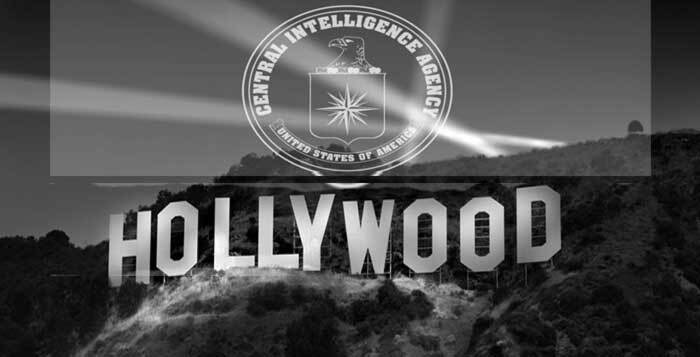
On this edition of Parallax Views, believe it or not it's an open secret in Tinseltown that the Pentagon and the CIA have liaisons in Hollywood that exert influence on various film and TV productions. For example, hit movies like Zero Dark Thirty, Enemy of the State, and The Sum of All Fears all received CIA consultation and the Pentagon has been involved in hit TV shows like Bones and 24. For all the talk of Hollywood as a bastion of progressive politics and the accusation from right-wing media that the entertainment industry has too much of a liberal bias, Tinseltown's connection to Uncle Sam's favorite intelligence agency and the Department of Defense may come as a surprise. However, Jim DiEugenio, proprietor of the website Kennedys and King, say the ties run deep and have created an environment in Hollywood where our favorites cinematic blockbuster and TV series are influenced by the intelligence community and the Department of Defense. In his most recent book, The JFK Assassination: The Evidence Today, DiEugenio devotes a whole section of his book to how movies like the Tom Hanks produced Charlie Wilson's War and Steven Spielberg's The Post actually act as revisionist history that whitewash over uncomfortable truths. He also details how figures like the CIA's Chase Brandon and the Pentagon's Phil Strub became involved with the entertainment industry and the extent of their influence. He joins us on this edition of the program to:
- Dissect the true story of the Pentagon Papers and Daniel Ellsberg while critiquing Steven Spielberg's treatment of the topic with The Post
- Examine Charlie Wilson's War and how it glosses over the way in which U.S. Congressman Charlie Wilson's (and Reagan era CIA director William Casey's) efforts to add Afghan rebels in the Soviet-Afghan conflict through Operation Cyclone actually lead to many of the crises that would become a fixture of politics after 9/11 and the advent of the Bush administration's War on Terror
- Offer his thoughts on Oliver Stone's recent comments on Bill Maher's show questioning the import of Russia interference in the 2000 election
- A tidbit about how famed prosecutor Vincent Bugliosi believed in an RFK assassination conspiracy despite rejecting the idea of a conspiracy in the assassination of JFK
- Kill the Messenger, the cinematic biography of Gary Webb, the journalist whose career was famously ruined after he wrote a multi-part series on the connection between Iran/Contra and the L.A. crack epidemic
- And much, much more!
This Episode Brought to You By:
The War State:
The Cold War Origins of the Military-Industrial Complex and the Power Elite, 1945-1963
by
Michael Swanson
of
The Wall Street Window
Aug 28, 2020
Aug 28, 2020
1 hr 20 min

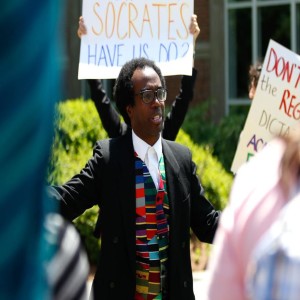
On this edition of Parallax Views, Athens, Georgia has a long history of racial justice activism due to its prevalent black community making up nearly 30% of its residents. Even amongst those against-the-grain activists, however, Irami Osei-Frimpong is considered something of a controversial gadfly. Currently a Ph.D. candidate in philosophy at the University of Georgia, Frimpong's pointed commentaries on issues like white supremacy, racism, police brutality, and reparation has, at times, attracted a degree of ire outrage. Specifically, he was scrutinized after tweeting, "Some white people may have to die for black communities to be made whole in this struggle to advance to freedom.” The tweet turned into a viral lightning rod for controversy as Frimpong, who works as a Teaching Assistant (TA), was put under investigation by his University and then, as a result, profiled in websites like Heavy.Com and the right-wing Campus-Watch.Org.
What did Irami Osei-Frimpong actually mean in his controversial tweet? Was it a call to violence against white people? What does he really believe? The man himself joins us on this edition of Parallax Views in a conversation that hopefully provides an answer to those questions as well as providing an understanding of how Freedom, as a concept, and real autonomy is the driving forth behind Frimpong's thought and activism. In fact, it could be said that the idea of Freedom is the underlying theme of this discussion as Irami defines it's meaning, it's relation to black struggle, and how he seeks to reclaim the concept from the American libertarian and conservative right that has claimed a monopoly on its usage.
Additionally Irami and I discuss:
- The Kenosha shooting and and its suspected perpetrator, Kyle Rittenhouse, as an example of the type of white person who will violently oppose black freedom because they see it as a threat to their way of life
- What Silicon Valley billionaire Peter Thiel and the Hulk Hogan vs. Gawker trial tell us about freedom and rights in the United States
- The meaning of white supremacy; the need to "poke the bear" when it comes to white supremacism and why Irami disagrees with the "don't poke the beer" mentality of some within the black community
- Irami's unique take on the subject of looting
- The case of Amy Cooper and 2020's infamous Central Park birdwatching incident that saw Cooper calling the police in distress after a black birdwatcher, Christian Cooper (no relation), politely asked her to leash her dog; questioning the premise that Amy Cooper is an aberration or anomaly
- Double standards: the Philadelphia heroin epidemic vs. the opioid epidemic
- The controversial ADOS movement, founded by activists Yvette Carnell and Antonio Moore, which pushes for reparations, but primarily for American Descendants of Slavery rather than black immigrants; why Irami supports movement; the movement's effective; the accusations pertaining to ADOS's anti-immigration stance; Irami's solution to anti-immigrant attitudes
- Why Bernie Sander's lost the black vote in the South; FDR and black America; how can the Left gain the trust of the black community
- Thoughts on Adolph Reed, arguments in favor of alliances between right-wing populism and left-wing populism, and the why Irami believes class cannot be the sole, or even primary focus, of the Left
- Irami's argument for reparations
- Democratic Presidential nominee Joe Biden and his Vice President pick Kamala Harris; alt right leader Richard Spencer's recent endorsement of the Biden/Harris ticket; Democrats and the tendency of centrist politicians tp punch Left when in power
This Episode Brought to You By:
The War State:
The Cold War Origins of the Military-Industrial Complex and the Power Elite, 1945-1963
by
Michael Swanson
of
The Wall Street Window
Aug 26, 2020
Aug 26, 2020
1 hr 18 min

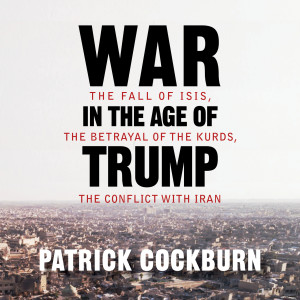
On this edition of Parallax Views, the prolific war correspondent Patrick Cockburn, who has been reporting on the Middle East since 1975, joins us to discuss his new book War in the Age of Trump: The Fall of ISIS, The Betrayal of the Kurds, and the Conflict with Iran. We begin the conversation with Patrick's thoughts on objectivity in journalism and whether war reporting takes a toll on journalists in that line of work. From there we discuss the foreign policy of Obama, Obama and his advisor Ben Rhodes taking issue with the "Washington Playboy" and the D.C. foreign policy "Blob", and Trump's foreign policy. In relation Trump and foreign policy Patrick shines a light on the assassination of Iran's Gen. Quasem Soleimani and his understanding of it beyond the way it's been covered in the beltway press. Patrick argues that these elements got Soleimani wrong and this leads us to discuss the role of hubris, whether coming from Iran, the U.S., or other players, in the great game taking place on the geopolitical Grand Chessboard and where Iraq falls in the conflicts.
Also covered:
- The strange relationship between Iran and the U.S. that features both conflict and underdiscussed cooperation.
- Why is the U.S. always at odds with Iran? The overthrow of Mossadegh in 1953 and other events. Why would the Shia-dominant Iran not be a friend of the U.S. in the War on Terror against Sunni Wahabists and Salafists?
- Ignorance in the D.C. beltway, the Western elite, and the media on the Middle East and its complexities as a region.
- The Middle East as a political graveyard for multiple U.S. Presidents including Tony Blair, George W. Bush, Jimmy Carter, and Ronald Reagan.
- The story of ISIS and its fall
- Western elite failures in the Middle East such as Libya after the death of Gaddafi; Syria and Assad; the lack of learning lessons from past failures on the part of the Western elite class
- The impossible position of the Kurd; Turkey and the Kurds; the U.S.'s relationship to the Kurds
- Could we have seen the failures of U.S. foreign policy coming?; the style of War in the Age of Trump
- Criticism of U.S. foreign policy is not necessarily about supporting figures like Gaddafi in Libya or Assad in Syria
- News from Damascus involving coronavirus
- Trump's isolation vs. the elite's interventionist failures; is another way, different from both of these approaches possible; the Cold War mindset of elite interventionist foreign policy
- Preoccupation with Russia as a threat
- And more!
This Episode Brought to You By:
The War State:
The Cold War Origins of the Military-Industrial Complex and the Power Elite, 1945-1963
by
Michael Swanson
of
The Wall Street Window

Aug 24, 2020
Aug 24, 2020
1 hr 24 min
Two Part Episode!
First Up,
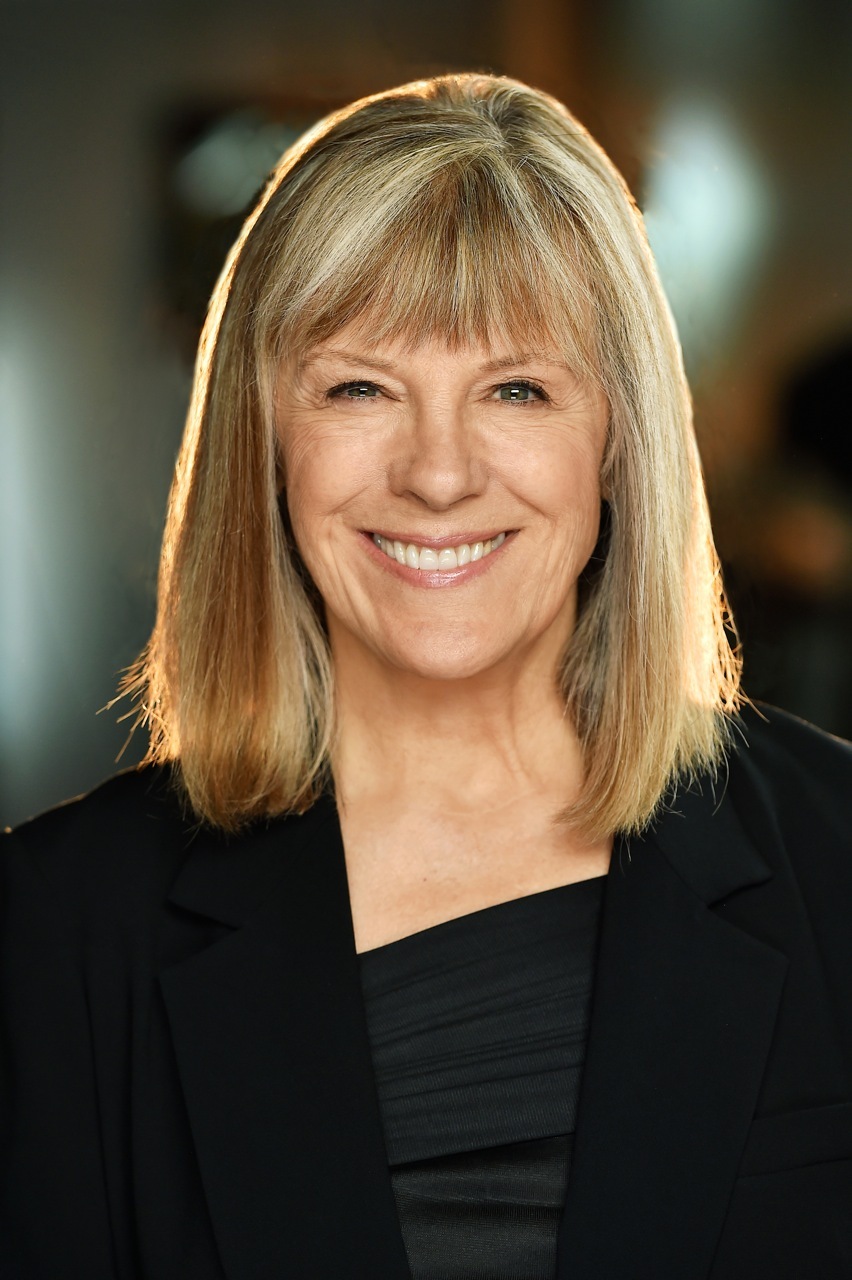
Actress and progressive activist Mimi Kennedy, whose Hollywood credentials include notable reoccuring roles in the TV shows Dharma and Greg and the ongoing CBS sitcom Mom in addition to films like Midnight in Paris, In the Loop, Erin Brokovich, and (J.G.'s personal favorite) Pump Up the Volume, joins us to discuss how she became an activist as well her commendable efforts to promote election education among voters and prevent voter suppression. In particular, Mimi explains the dilemma of what she calls "The Surrender Rule" with regards to mail-in ballots. We also talk about how Mimi got involved with activism related to the issue of election integrity, her efforts to block the use of Diebold touchscreen voting machines in L.A. country, and why poll workers are needed now more than ever in the age of COVID-19. Mimi also provides her thoughts on the right wing media's portrayal of Hollywood as "too liberal" and the role Catholic social teachings played a role in developing her political consciousness.
Then,
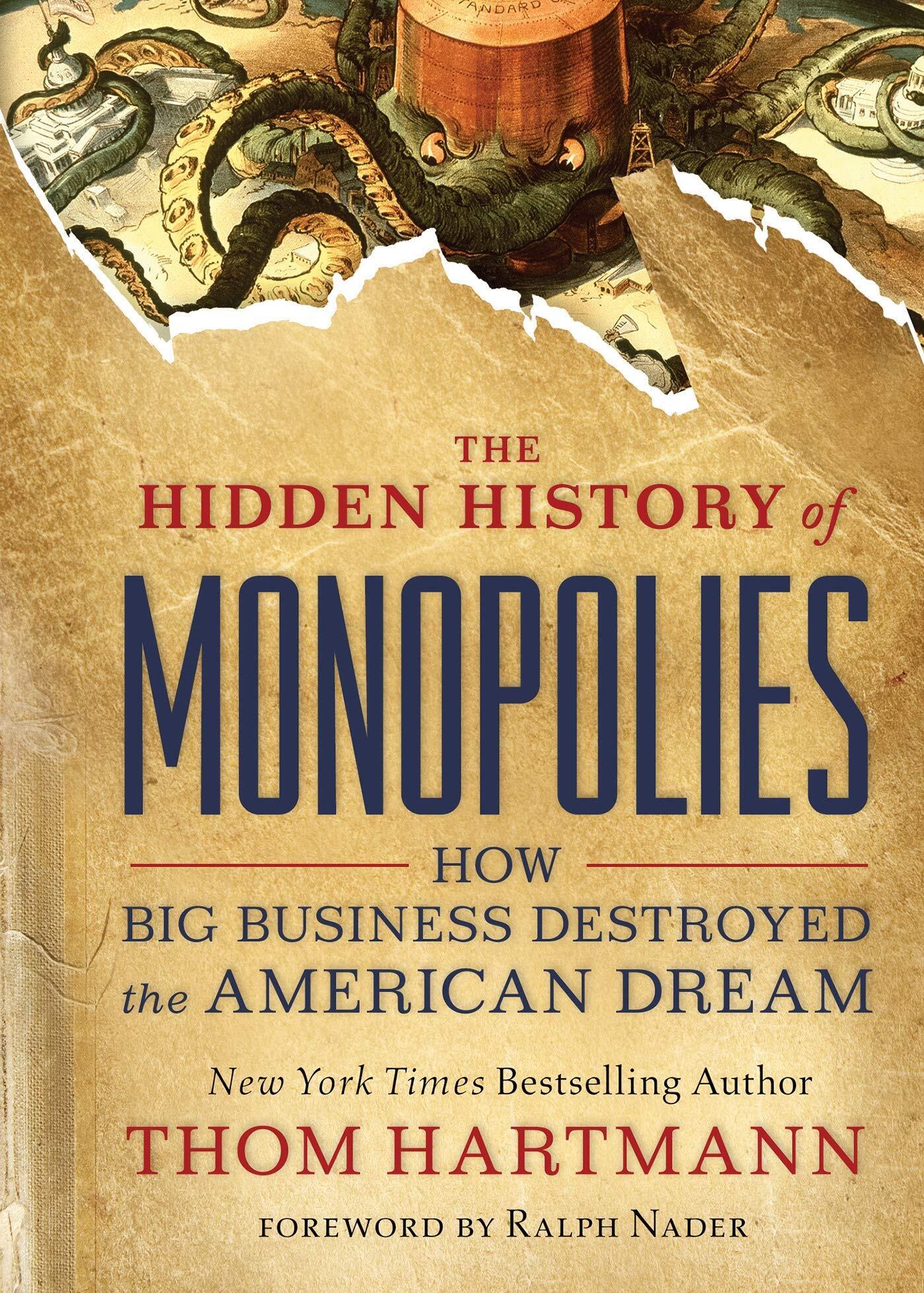
Legendary progressive radio host Thom Hartmann joins us to discuss the latest entry in his Hidden History book series, The Hidden History of Monopolies: How Big Business Destroyed the American Dream. We begin by discussing the relevance of the Hidden History series in light of the George Floyd murder and how the history Thom is shedding light on is becoming less hidden and more well-known each and every day. From there we pivot into a conversation of what monopolies are and the adverse effect they have on We the People as a nation. Thom also fills us in on how monopolies tie into the story of the Boston Tea Party vis-à-vis the British East India company, Lewis Powell and the other players who sought to combat progressive activists like Ralph Nader (who provides the foreward for Thom's new book!) by promoting pro-business interest in various sectors of society like academia, the horrible legacy of Reaganomics and the Ronald Reagan presidency, and the problems of copyright and patent laws (which, as Thom points out, the founding fathers would have a thing or to say about!). All that and more on this edition of Parallax Views!
This Episode Brought to You By:
The War State:
The Cold War Origins of the Military-Industrial Complex and the Power Elite, 1945-1963
by
Michael Swanson
of
The Wall Street Window
Aug 22, 2020
Aug 22, 2020
1 hr 23 min

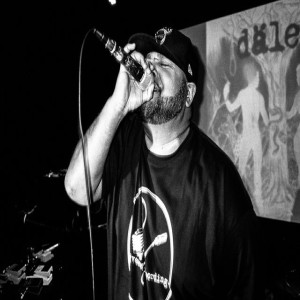
On this edition of Parallax Views, for over 20 years the iconoclastic Dälek is a hip hop group that eludes easy categorization. Influenced as much by band like the shoegaze legends My Bloody Valentine and the krautrock sensation Faust as much as they are rappers like NAS and Run DMC, Dälek has most often been described as experimental hip hop. Interestingly, due to their noisy, abrasive style, the group has been able to hang with the loudest of metal band playing live shows with bands like Godflesh, ISIS, The Melvins, and Tool thus winning the respect of many in the metal community. They've also been known for their political, or perhaps more accurately social, commentary that cuts deeper than ever in the age of the Black Lives Matter (BLM) movement. MC Dälek, the group's frontman, joins us on this edition of the program to discuss music, hip hop, metal, politics, conspiracy theories, and much, much more.
Special thanks to Televangel for helping to make this episode possible!
This Episode Brought to You By:
The War State:
The Cold War Origins of the Military-Industrial Complex and the Power Elite, 1945-1963
by
Michael Swanson
of
The Wall Street Window
Aug 21, 2020
Aug 21, 2020
1 hr 14 min

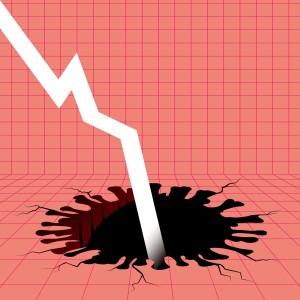
On this edition of Parallax Views, this week the Federal Reserve expressed that the handling of coronavirus of relief and stimulus packages handled by Congress has been woefully inadequate as unemployment tops 1 million yet again. Economist Dr. Jack Rasmus, author of The Scourge of Neoliberalism: U.S. Economic Policy from Reagan to Trump and host of the Alternative Vision radio program, joins us to discuss the economy under the COVID-19 crisis and warns of a triple crisis ahead accelerated by the pandemic.
Dr. Rasmus argues that the triple crisis is composed of a health crisis, an economic crisis, and finally a financial crisis caused by the emergencies of bankruptcies building out of the first two crises. The third crisis, Dr. Rasmus believes, will likely come into full effect by 2021 unless drastic measures are taken to prevent it.
Dr. Rasmus notes that we are not in an economic recovery but a weak rebound. Although there were hopes of a V-shaped recovery amidst the economic impacts of the coronavirus pandemic, Dr. Rasmus has been saying since March that the V-shaped recovery would not happen. It appears now that many in the media, Wall Street, and the Federal Reserve are beginning to catch up to his assessment. He says that the only way that this triple crisis can possibly be averted is through a strong stimulus that would $3-4 trillion fiscally. Because the economy is fundamental wounded, Dr. Rasmus says, this stimulus is necessary.
In addition Dr. Rasmus and I discuss the political instability occurring right now and how it is likely to get worse going into Election Day. We discuss Trump's Plan A and, briefly, his Plan B for reelection. Dr. Rasmus believes that Trump's lack of response to the pandemic has been a strategic move to punish American blue states that will swing Democratic in the Presidential election. Moreover, he notes how the relevance of voter suppression to Trump's potential reelection.
Other topics covered:
- Trump's recent Executive Orders, how the EO's were part of a strategic plan by the GOP all along, and why Dr. Rasmus considers them a sham
- The current negotiations between Democrats and Republicans over the stimulus
- Why Democrats have been ineffective in fighting Trump and the GOP
- Evictions in the COVID era and why eviction moratoriums are necessary
- The crisis facing us due to job automation
- And much, much more.
This Episode Brought to You By:
The War State:
The Cold War Origins of the Military-Industrial Complex and the Power Elite, 1945-1963
by
Michael Swanson
of
The Wall Street Window
Aug 19, 2020
Aug 19, 2020
1 hr 6 min

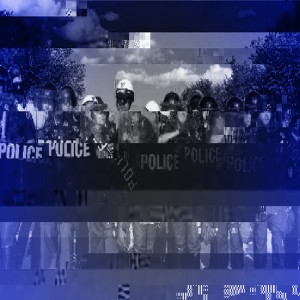
On this edition of Parallax Views, new documents show that the DHS (Department of Homeland Security) and other federal agencies are targeting the Distributed Denial of Secrets, a transparency organization specializing in publishing leaks the reveal the inner workings of powerful institutions, as a "criminal hacker group". The documents show that the DHS has its eyes on DDoSecrets in light of their publishing BlueLeaks (or #BlueLeaks), a collection of 269 gigabyte collection on U.S. law enforcement obtained by the hacker collective Anyonmous. DDoSecret, however, claims that it is not involved in hacking but rather is only a publisher of data like BlueLeaks. Independent journalist Ali Winston, whose work has been features in The Daily Beast, The Intercept, and The New York Times, fills as in on the whole story as outlined in his article "Feds are treating BlueLeaks organization as ‘a criminal hacker group,’ documents show" (The Verge; 8/13/20).
In addition to discussing the federal targeting of the BlueLeaks publisher Distributed Denial of Secrets, Ali also discusses with us:
- How he got involved in journalism; specifically journalism related to surveillance
- Ali's coverage of far-right white supremacist extremist terrorist groups like The Base and the Satanic neo-nazi Order of Nine Angles. Ali notes how The Base's founder is ex-FBI analyst Ronaldo Nazzaro and relays how the Order of Nine Angles recently had a member, Ethan Melzer, infiltrate the military. Additionally, Ali briefly covers how members of the U.S. far-right are tied to international far-right organizations like the Azov Battalion in the Ukraine. In this regard we note how federal agencies focusing on organization like DDoSecrets or Antifa and Black Lives Matter (BLM) activists seems a bit misguided in light of the threat that these far-right groups represent.
- Joe Biden's picking Kamala Harris as VP; Kamala Harris's framing of racism as a "National Security" issue due to allegations of Russian propaganda operations seeking to amplify existing social tensions in the U.S.; the history of the National Security State; how the National Security State is a reactionary force that has been supported by bipartisan efforts on the parts of both Republicans and Democrats; the employment of war-time language in the age of coronavirus ("The War on COVID")
- The implications of DDoSecrets being targeted by the DHS and other federal agencies; Emma Best, the DDoS's founder, and her response to the documents; what this means for publishers of information and data as well as journalists and the media as a whole
- Ali's podcast Surveillance and the City.
- And more
Aug 17, 2020
Aug 17, 2020
1 hr 17 min

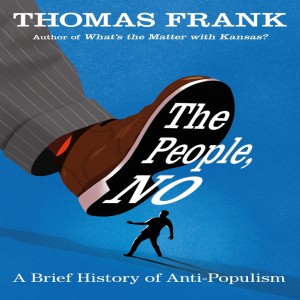
On this edition of Parallax Views, populism has become a dirty word since the election of Donald J. Trump to the U.S. Presidency in 2016. But is Trumpism really representative of populism? And is populism really just the reign of the violent mob or the ignorant masses over more benevolent and enlightened souls? Thomas Frank, co-founder of The Baffler and the noted author of such books as What's the Matter With Kansas? and Listen, Liberal!, argues otherwise in his sweeping defense of populism The People, No: A Brief History of Anti-Populism. In examining the history of anti-populism in American thought from the late 1800s to today, Frank concludes that populism is pro-democracy while it's polar opposite, anti-populism, is, in fact, elitist. Thomas Frank joins us to discuss this fascinating history. Among the topics covered:
- How populism became a dirty word
- The early populist William Jennings Bryan, his accomplishments, and his eventual fall from grace
- The populism of FDR
- Demagogues of the 1930s like the anti-semitic radio personality Father Charles Coughlin and why he does not consider them populists
- Pop culture that dealt with populism in that era, specifically the films of Frank Capra and the Orson Welles class Citizen Kane (which just happen to be Donald Trump's favorite movie; does Trump miss the message and is it really and anti-populist movie?)
- The early 20th century progressive historians like Charles Beard and how the consensus historians of the mid-20th century, particularly Richard Hofstadter, thought to push back on their work vis-à-vis anti-populism
- How Hofstadter and other anti-populists consensus historians were reactions to Joe McCarthy and the Red Scare's attacks on intellectuals of the time; Hofstadter's The Age of Reform, a key anti-populist text, and how, despite being debunked and refuted, still maintains an influence today.
- The professionals and intellectuals of managerial class that were flattered by the work of Hofstadter and the consensus historians; the displacement of the old elite by the "Meritocracy" or new meritocratic elite.
- How the new elites never considered their own pathologies and the potential of elite failure.
- The consensus historians concepts of pluralism and representative democracy; Edward Shils' belief that "there must be affinity among the elites"; the so-called "end of ideology" and associated ideas like Francis Fukyama's "the end of history"
- Interrogating the concept of meritocracy and "hereditary meritocracy"; the 2019 college admission bribery scandal (or "Collegegate") that was exposed by the FBI's Operation Varsity Blues and what it says about contradictions of the meritocracy espoused by the new elites.
- The Best and Brightest by David Halberstam, the classic work on elite failure in the Vietnam War era.
- Being part of the "liberal intelligentsia" after the success of What's the Matter With Kansas? and the mis-readings of What's the Matter With Kansas?
- The cultural of liberal scolding and Frank's discomfort with its popularity; liberal and elite misanthropy; are people like Frank catching elites with their pants down by exposing the misanthropy underlying their supposedly compassionate image.
- What does the future hold? Will the pessimism toward "the people" by elites continue or will a new zeitgeist emerge to challenge our current cultural moment?
Aug 15, 2020
Aug 15, 2020
32 min

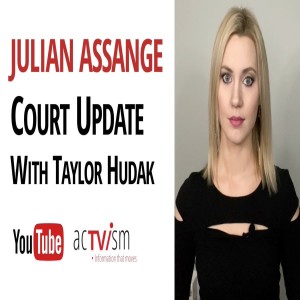
On this edition of Parallax Views, an update on the court proceedings of Wikileaks founder Julian Assange with activist, journalist, and Action 4 Assange co-founder Taylor Hudak. Although Taylor is an unabashed supporter of Assange, she makes the point that, regardless of one's opinion of Assange, this case has ramifications for free speech advocates, hacktivists, journalists, and even publishers (specifically since Wikileaks is an outlet that publishes leaks given to them; as opposed to hacking for documents themselves). In this conversation Taylor updates us on yesterday's Friday court hearing, the new superseding indictment against Assange and the ramifications of this indictment for Assange and his legal counsel. Additionally, Taylor notes how two FBI informants, Sabu and Siggi the Hacker (the latter, Sigurdur Thordarson, is a known child sex offender), who have become universally hated within the Anoymous and general hacktivist communities tie into these recent updates. J.G. notes how the post-Wikileaks collective Distributed Denial of Secrets are now being targeted by the federal government as "a criminal hacker group" by the federal government. Also, Taylor notes health concerns about Assange and fills listeners in on how U.N. Special Rapporteur on Torture Nils Melzer has made the case that Assange's treatment constitutes torture. All that and more on this edition of Parallax Views.
More About Parallax Views:
Over 1 million unique downloads!
Over 950+ episodes!
Ranked in the Top 100 Podcasts Covering "Armed Conflicts" by MillionPodcasts!
As featured in The Daily Dot:
Featured in the academic study of podcasts and podcast culture, The Podcaster's Dilemma:
Decolonizing Podcasters in the Era of Surveillance Capitalism
by Nicholas Brahmin II & Nolan Higdon