
A podcast where politics, history, and culture are examined from perspectives you may not have considered before. Call it a parallax view.
Parallax Views
w/ J.G. Michael
For 7+ years and over 600 episodes to date, J.G. Michael has been hosting and producing Parallax Views, a show with an eclectic variety of guests covering a broad range of topics including culture, current events, international relations, foreign policy, technology, cinema, literature, history, and more.
Previous notable guests include world-renowned anthropologist Wade Davis, philosopher Slavoj Zizek, Malcolm X's daughter Ilyasah Shabazz, forensic anthropologist and author of the BONES novel series Kathy Reichs, Pulitizer Prize-winning reporters like Michael Hiltzik and David Cay Johnston, Academy Award-nominated screenwriter and filmmaker John Sayles, Adult Swim's Casper Kelly (Adult Swim Yule Log, co-creator of Your Pretty Little Face is Going to Hell), world-class MMA fighter Jillian "Lionheart" DeCoursey, Harvard international relations scholar Stephen Walt, former President of the Federal Reserve Bank of Kansas City Thomas M. Hoenig, controversial filmmaker Uwe Boll, Pulitzer Prize-winning novelist Viet Thanh Nyugen, Ret. Col. Lawrence Wilkerson (Chief of Staff under Colin Powell), former FBI agent inside the CIA's Bin Laden Unit Mark Rossini, longtime union organizer and On the Line: A Story of Class, Solidarity, and Two Women's Epic Fight to Build a Union author Daisy Pitkin, UFC Hall of Famer Pat Miletich, legendary independent film producer/director Lloyd Kaufman of Troma, comic book artist Stephen Bissette (of Alan Moore's acclaimed Saga of the Swamp Thing), comedian Kate Willett, and bestselling authors like Nomi Prins, Greg Palast, Noam Chomsky, Neil Howe, James Bamford, Jacob Silverman, Thom Hartmann, Stephen Singular, Nina Burleigh, John Perkins, Christopher Leonard, Thomas Frank, and many others.. Whether J.G. is interviewing an entertainer, an academic, a former military or intelligence official, or an average Joe he hopes to expose listeners with ways of looking at the world they may not have considered before. Call it a Parallax View.
Additionally, Parallax Views / J.G. Michael is known for interviewing figures from across the political spectrum. From Unherd U.S. editor Sohrab Ahmari and former National Review correspondent Kevin D. Williamson to The Nation publisher Katrina Vanden Heuvel and The American Prospect executive editor David Dayen.
Twitter: https://twitter.com/ViewsParallax
Email: parallaxviewspod@protonmail.com
Please Support Me on Patreon If You Support My Work or Enjoy the Show!:
https://www.patreon.com/parallaxviews
Episodes
Oct 17, 2020
Oct 17, 2020
1 hr 18 min
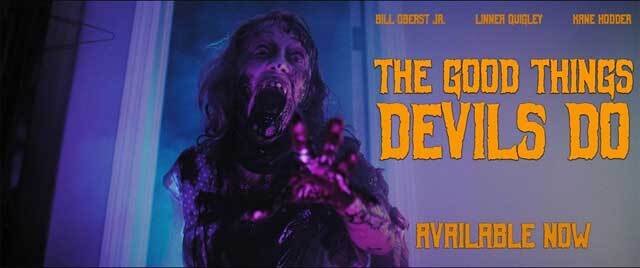
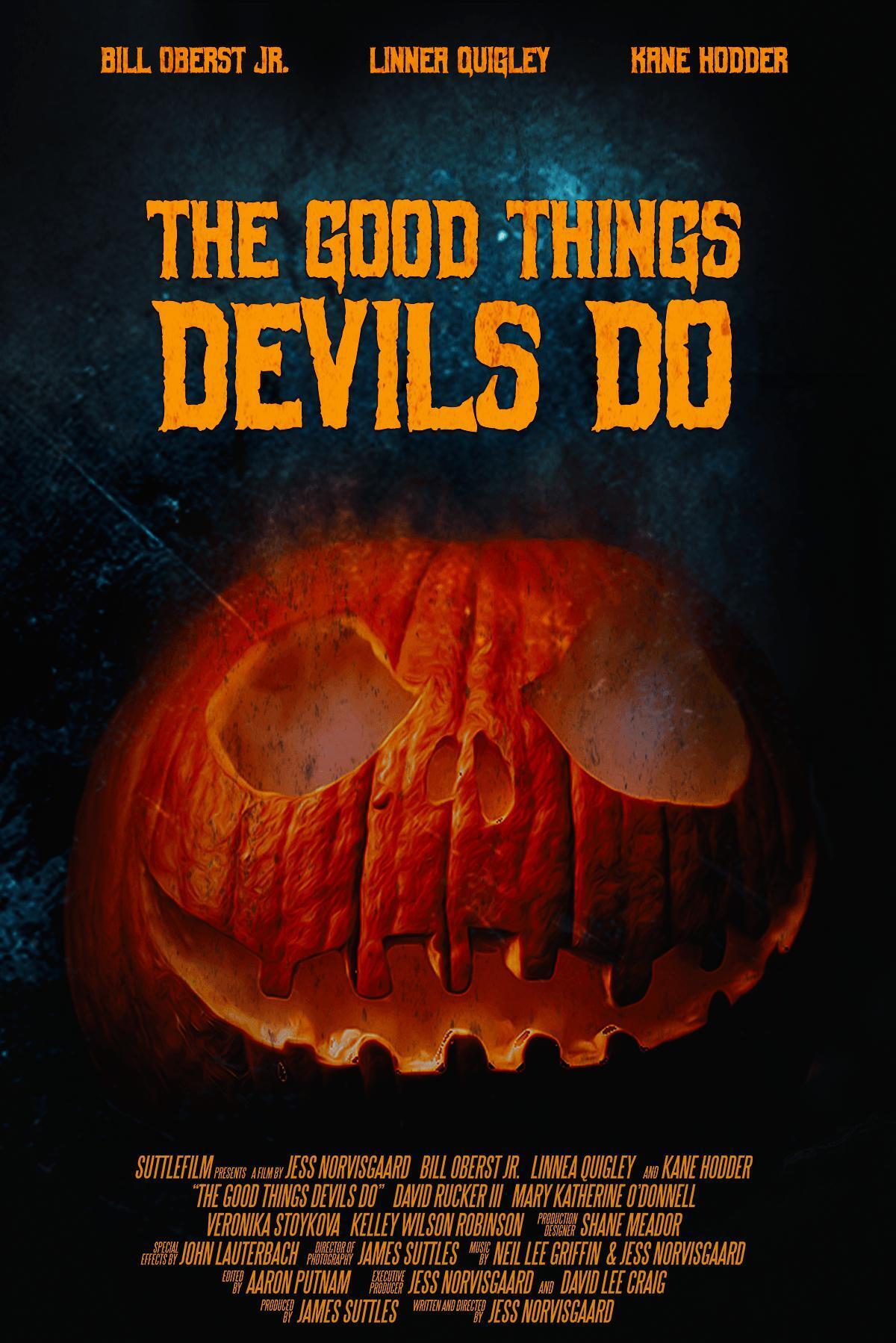
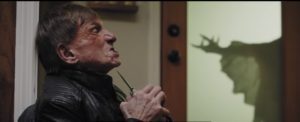
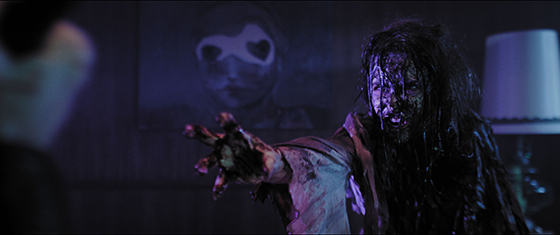
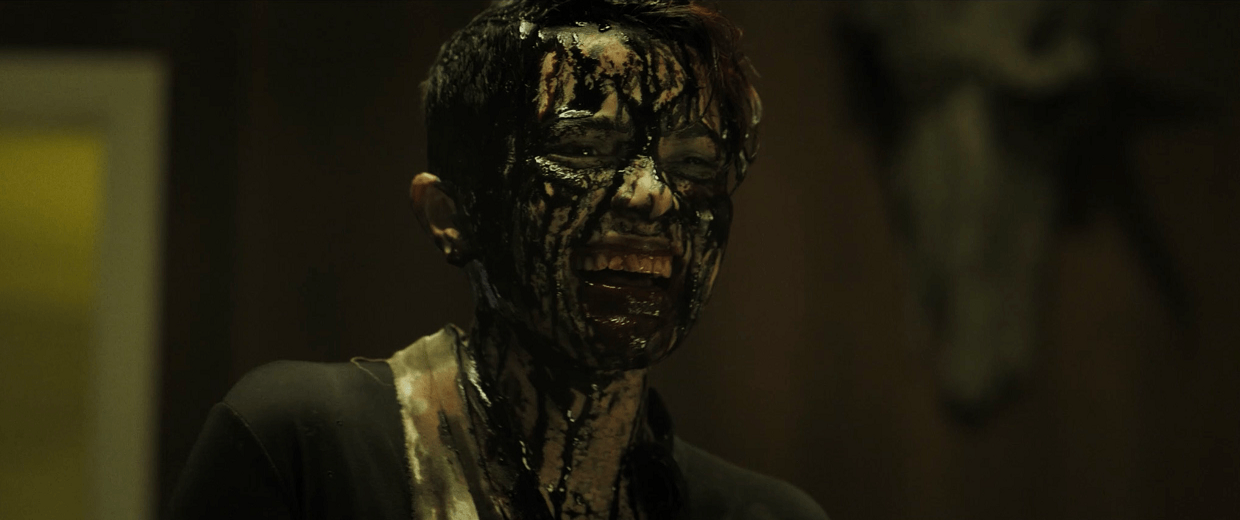
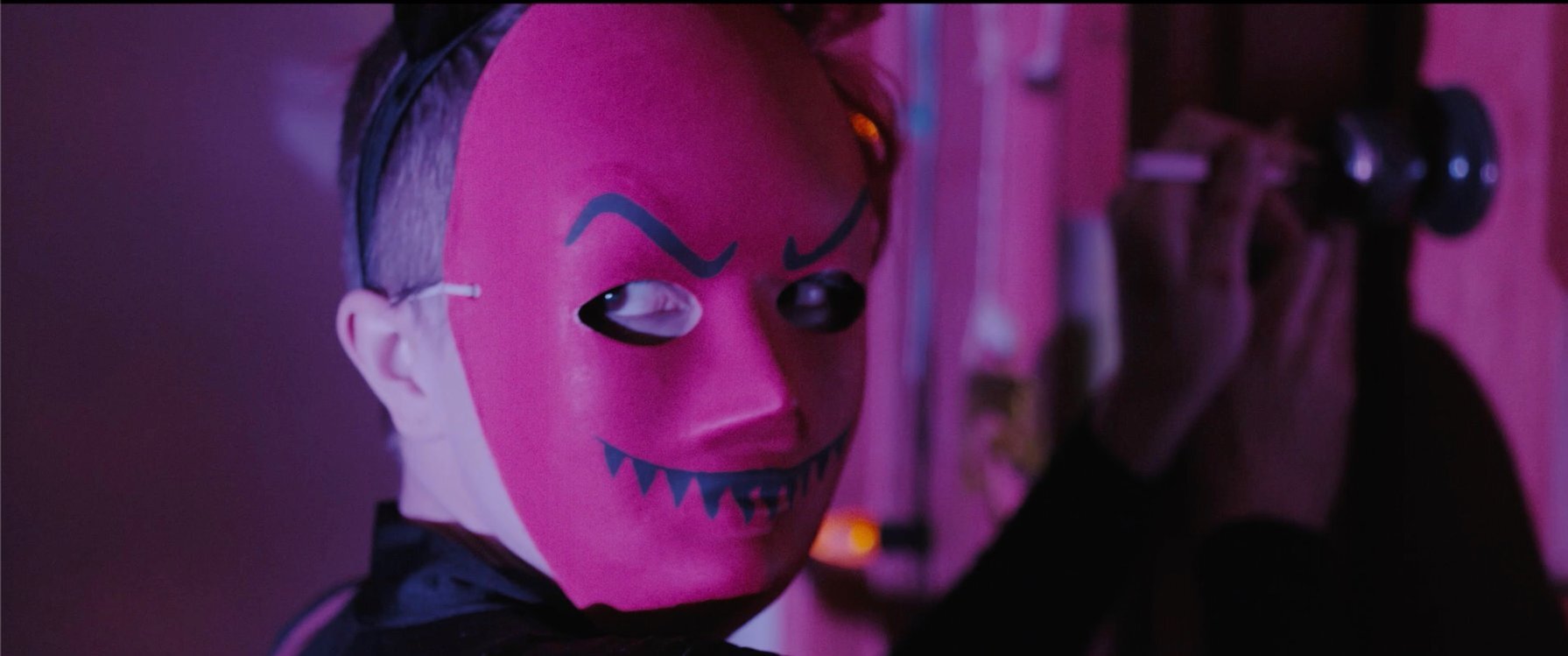
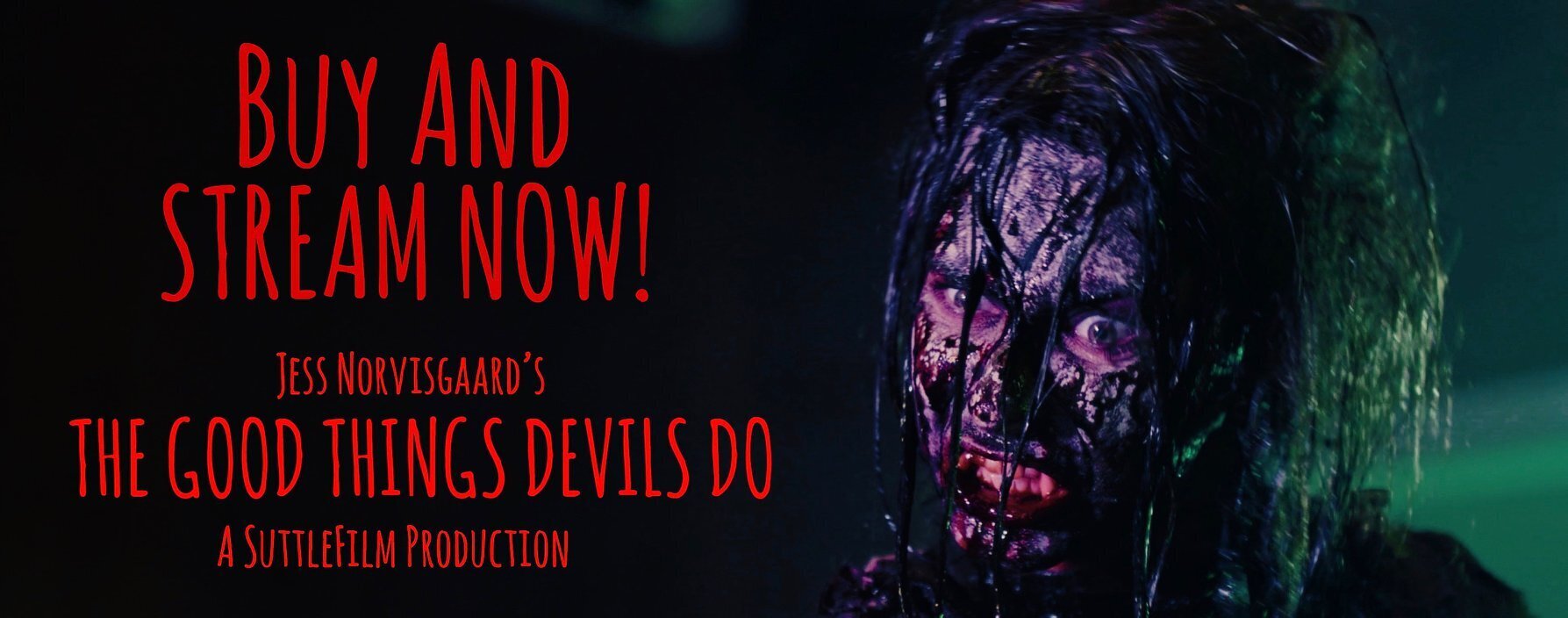
Parallax Views initiates the #HalloweenPodcastMassacre, a series of episodes devoted to celebrating the Halloween season, by highlighting the brand new horror movie The Good Things Devils Do, a wild ride of gory vampire hijinks set appropriately on All Hallows' Eve, with the film's director Jess Norvisgaard and director of photography James Suttles. Boasting a a cast headlined by a trio of horror icons in the form of the Emmy Award and Lon Chaney Award-winning Bill Oberst Jr., scream queen Linnea Quigley, and the Friday the 13th franchise's Kane Hodder (aka the man behind the hockey mask of the machete wielding maniac Jason Voorhees!), follows in the footsteps of such fright flicks set on or around October 31st as James Roday's Gravy (2015), Patrick Lussier's Trick (2019), the anthology of terror Tales of Halloween (2015), and Michael Doughtery's Trick 'r Treat (2007) in vying to become a cult classic regarded as annual viewing for the spooky season. Taking its cues from such ghoulishly gory fear features as Kevin S. Tenney's Night of the Demons (1988), David DeCoteau's Witchhouse, and Dan O'Bannon's The Return of the Living Dead (1985), The Good Things Devils Do offers up a mix of wicked dark humor and dark humor. At the same time, however, Norvisgaard's first feature length effort may offer a bit more than just blood-soaked gore and B-movie camp thanks to some truly emotion-stirring moments that conjure chills, thrills, and maybe even a sincere tear or two.
Provided below is a trailer for The Good Things Devils Do and a plot synopsis by the director himself, Jess Norvisgaard:
Richard, a small-time gangster is retiring. Before he can, he must take one last job: to steal money from a rival gangster's house. Miles apart, Melvin is a reluctant family man who has dreams of becoming a famous curator for his Museum of the Macabre. His newest acquisition? The remains of the notorious Masquerade, a vampire born from the embers of hell, slain centuries ago. On Halloween Night, their paths will collide and they'll be forced to work together to fight centuries-old evil with everything on the line.


This Episode Brought to You By:
The War State:
The Cold War Origins of the Military-Industrial Complex and the Power Elite, 1945-1963
by
Michael Swanson
of
The Wall Street Window
Oct 16, 2020
Oct 16, 2020
1 hr 13 min
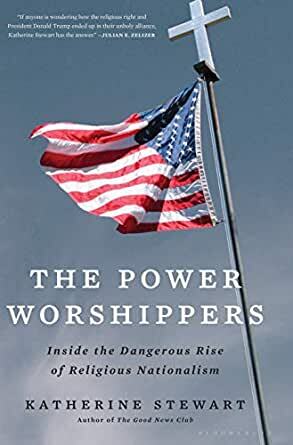
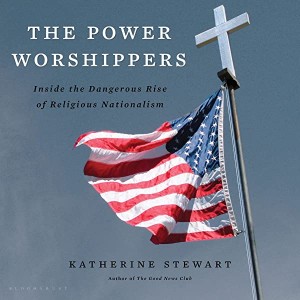
On this edition of Parallax Views, much has been made of the religious right's political power in America, especially in light of President Donald Trump's nomination of the ultra-conservative Amy Coney Barrett to fill the seat of the recently deceased Ruth Bader Ginsburg in the Supreme Court. Ginsburg along with Trump administration officials like Attorney General Bill Barr have a great deal of support coming from the religious right or what has alternately been called Christian Nationalist. Joining us on this edition of the show to detail how this small evengalical element of Christianity and society as a whole rose to prominence is Katherine Stewart, journalist and author of The Power Worshippers: Inside the Dangerous Rise of Religious Nationalism.
In this conversation we detail:
- How Katherine got onto the beat of the religious right, or as Katherine prefers to call it "religious nationalism", through an after school program called The Good News Club; Katherine argues The Good News Club indoctrinate children and engages in faith-based bullying
- Claims that the religious right will soon be on the wane because demographic are not on their side and why Katherine doesn't buy the claim
- The religious right's definitions of "religious freedom" and their ideas concerning America as a "Christian Nation"; the theocratic nature of the movement; major players of the religious right, past and present, like David Barton and R.J. Rushdoony
- The relationship between Christian Nationalists and pro-corporate, libertarian, and states rights supporters
- And much much more
Oct 14, 2020
Oct 14, 2020
1 hr 10 min
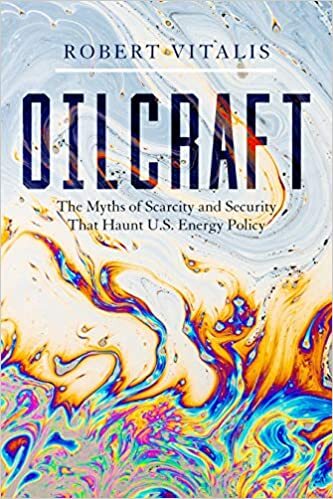
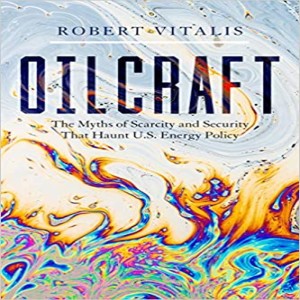
On this edition of Parallax Views, it's often been said that U.S. war in the Middle East are fought not to protect America from Weapons of Massa Destruction, terrorist threats, or to spread democracy but rather for the cynical purpose of gaining access to natural resources, specifically crude oil. "No more blood for oil!" cried many an antiwar protester and pro-peace activist during the the George W. Bush administration's Iraq War debacle. But Robert Vitalis, a Professor of Political Science at the University of Pennsylvania, argues in his provocative and controversial new book, Oilcraft: The Myths of Scarcity and Security That Haunt U.S. Foreign Policy, that we've been hoodwinked by the conventional wisdom, accepted by elements of the political Left, Right, and Center, about oil and U.S. policy. "Oilcraft", Vitalis says, does not represent a form of "Statecraft" but a form of magical thinking based on myth rather than reality that has negatively impacted U.S. energy policy for decades. Vitalis joins us on this edition of the program to lay out his controversial case. Among the topics covered are:
- Robert's previous books When Capitalists Collide: Business Conflict and the End of Empire in Egypt (1995), America's Kingdom: Mythmaking on the Saudi Oil Frontier (2005), White World Order, Black Power Politics: The Birth of American International Relations; who these books, like Oilcraft, sought to undermine institutional myths and challenge our preconception about geopolitics and grand strategy in the 20th and 21st century
- Why the title of the book is not a reference "statecraft" but rather the myths of witchcraft; the influence of Racecraft: The Soul of Inequality in American Life (2012) by Barbara J. Fields and Karen Fields on Oilcraft
- The U.S.-Saudi Special Relationship and whether it's origins are as true as people have been led to believe since 9/11
- Why Robert, who himself opposes many U.S. interventions overseas from a left-wing perspective, believes the "Blood for Oil" narrative used to explain the the U.S.'s Middle East Wars is incorrect; why the idea of the Iraq War being a "War for Oil" doesn't, in view Robert's view, make sense
- What Robert argues is the misrepresentation of Alan Greenspan's thoughts on oil and it's relation to the Iraq War based on a quote from Greenspan's book The Age of Turbulence: Adventures in a New World (2012)
- Why should antiwar activists oppose the "War for Oil" narrative? Isn't opposition to the war, regardless of the reasons for it, what should matter most?
- How the belief of oil's role in informing U.S. foreign policy and international cuts across political spectrum Left, Right, and Center; the libertarian Cato Institute as one of the few voices that stand in opposition to the conventional wisdom; What does the Cato Institute get right about this issue and why does Robert, himself left-leaning, agree with them on this matter?
- The U.S. refrain of the "need to secure access" of resources and how the Left understands this as meaning "control"
- Oil as a world market in which "the oil will simply flow"
- Our oil addiction as being faith-base and akin to a cult
- The story about President Franklin Delano Roosevelt (FDR) meeting King Abdul Aziz Ibn Saud of Saudi Arabia in 1945 that is used to explain the U.S.-Saudi strategic relationship
- Douglas Feith, the under Secretary of Defense for President George W. Bush who has been described as one of the architects of the Iraq War, and his curious comments about oil, OPEC, Saudi Arabia during his involvement in the Ronald Reagan administration
- Scarcity ideology and it's relationship to war and social Darwinism; specifically Robert points out the "Heritage of Mankind" argument and how notions like it and others are originate in deeply racist thinking born of Colonialism
- The U.S.-Iran relationship and U.S concerns with who controls the profits or rents of oil production; Robert makes the case the countries like Iran and the wealth they gain from the oil market are seen as threats to the U.S. do to said countries opposing American aims and policies
- Is it possible to "Break the Spell" of Oilcraft?
- Robert's opinion on the Wall Street Journal review of Oilcraft that characterized him as a libertarian even though his arguments came from the Left
This Episode Brought to You By:
The War State:
The Cold War Origins of the Military-Industrial Complex and the Power Elite, 1945-1963
by
Michael Swanson
of
The Wall Street Window
Oct 12, 2020
Oct 12, 2020
1 hr 10 min
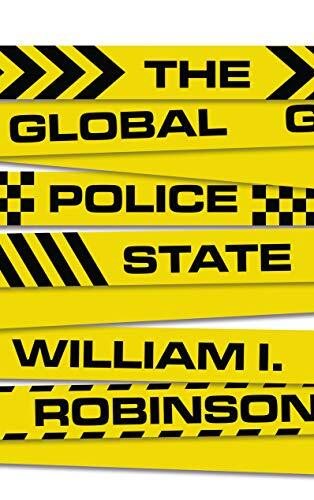
On this edition of Parallax Views, how did we get to this moment of social uprisings and the repressive states, represented by ICE immigration detention centers and rising authoritarianism around the globe, that color the present? Sociologist William I. Robinson provides a theoretical framework for understanding how 21st century tumult came to be in his new book The Global Police State. Robinson argues that we are living in a world in which rapidly accelerating economic inequality have led the transnational capitalist class to create systems of control and repression that will quell dissent. Additionally, he argues that this unstable situation, in which the masses are angry and the power elites divided, has led to an encroaching, creeping, 21st century fascism that threatens to engulf the world. He joins us on this edition of the program to lay out what The Global Police State is, the green zones and gray zones that separate the "haves" from the "have nots", the three factions of the global power elite and how the third factions (reformists) can be pressured by the masses, how Trump and the movement of Trumpism is not a populist movement and is in fact backed by elements of the transnational capitalist class, technologies of repression and the modern surveillance society, the Black Lives Matter Movement (BLM) and why the transnational capitalist class are directly threatened by anti-police sentiments, the cooptation of social movements by the transnational capitalist class, the militarization of policing and security organizations, the capitalist and corporate elements that benefit from private military firms (ie: mercenary) and private policing, the major difference between the 20th century and 21st century crises (hint: there is no longer a strong left/labor movement), and much, much more!
This Episode Brought to You By:
The War State:
The Cold War Origins of the Military-Industrial Complex and the Power Elite, 1945-1963
by
Michael Swanson
of
The Wall Street Window
Oct 10, 2020
Oct 10, 2020
1 hr 9 min
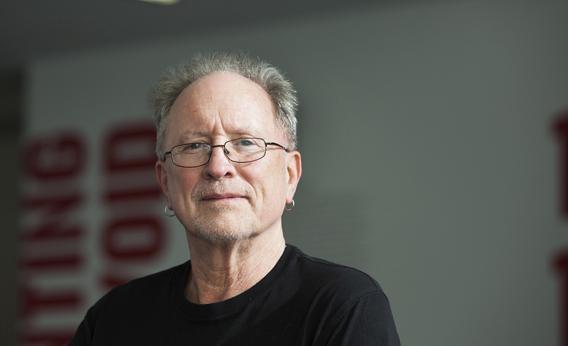
On this edition of Parallax Views, the Weather Underground have been variously described, depending on one's perspective, as radical activists who opposed the Vietnam War or, more pejoratively, terrorists. Bill Ayers was one of the leaders of the Weather Underground in those tumultuous days and has written about his experiences in his memoir Fugitive Days. He joins us on this edition of Parallax Views to discuss his time with the Weather Underground, why certain factions of the antiwar movement that came to be associated with the Weather Underground in the 1970s became more radicalized as the Vietnam War raged on, the Weather Underground's jailbreak of psychedelic guru Timothy Leary, and much, much more. Additionally, Bill give his thoughts on having dinner w/ the likes Andrew Breitbart and Tucker Carlson, the infamous Ayers hosted dinner with Barack H. Obama that the right used to claim that Obama was mentored by Bill, the FBI and COINTELPRO in the days of the Weather Underground, Bill's son and California District Attorney Chesa Boudin, James Baldwin and racial justice, universal healthcare and demanding the impossible, and much, much more! Bill's wife Bernadine Dorhn also makes a bit of a cameo as we delve into the history that led to the Weather Underground and thoughts on current hot topics like the Civil War statues debate and the need for political imagination in these trying times. All that and more on this edition of Parallax Views!
This Episode Brought to You By:
The War State:
The Cold War Origins of the Military-Industrial Complex and the Power Elite, 1945-1963
by
Michael Swanson
of
The Wall Street Window
Oct 9, 2020
Oct 9, 2020
45 sec
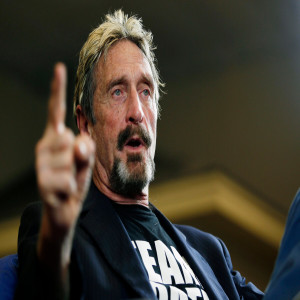
In light of John McAfee recently being detained in Spain and facing charges leveled at him by the United State IRS we present this interview w/ McAfee that may serve to shed light on his psyche.
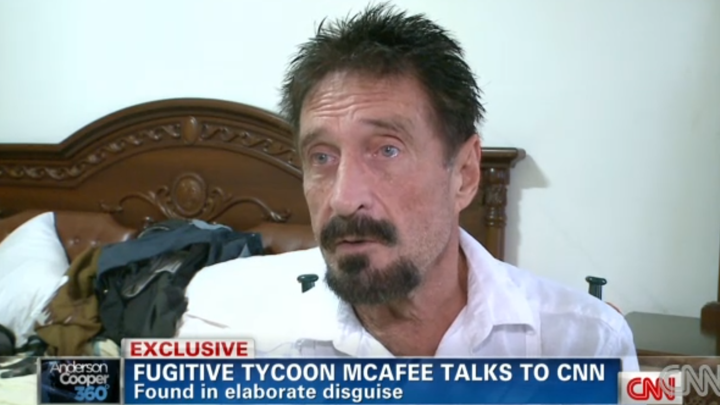
On this edition of Parallax Views, an equal parts wild and tense conversation with the founder of McAfee associates (the creators of McAfee Antivirus), bitcoin bull, Presidential candidate, international fugitive, and person of interest in the Belize murder of Gregory Faull, John McAfee. Joining me to help ask some of the more probing questions in this interview is the inimitable freelance journalist Marlon Ettinger, who previously joined us to discuss his experiences at the NY trial of the now deceased Jeffrey Epstein. Marlon was helpful in trying to ask questions that dug a little deeper during the course of the conversation. I trust that, unlike some podcasts dealing with the controversial figure of McAfee, this is not an exploitative or "comedic" conversation and gives some insights into both the notorious John McAfee and some of the infamies associated with him. In any case Marlon and I tried to do something different with this interview and we hope that you, the listener, get something out of it.
Special thanks to Jamie Curcio, author of Mask: Bowie & Artists of Artifice, for help with this episode
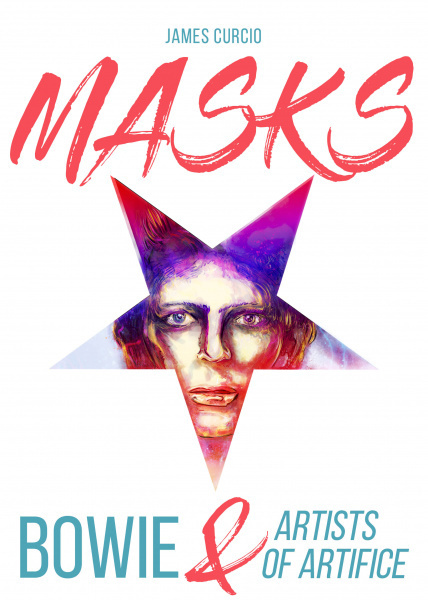
PRE-ORDER JAMIE CURCIO'S
MASKS:
BOWIE & ARTISTS OF ARTIFICE
FROM
INTELLECT BOOKS
This Episode Brought to You By:
The War State:
The Cold War Origins of the Military-Industrial Complex and the Power Elite, 1945-1963
by
Michael Swanson
of
The Wall Street Window
Oct 7, 2020
Oct 7, 2020
1 hr 23 min
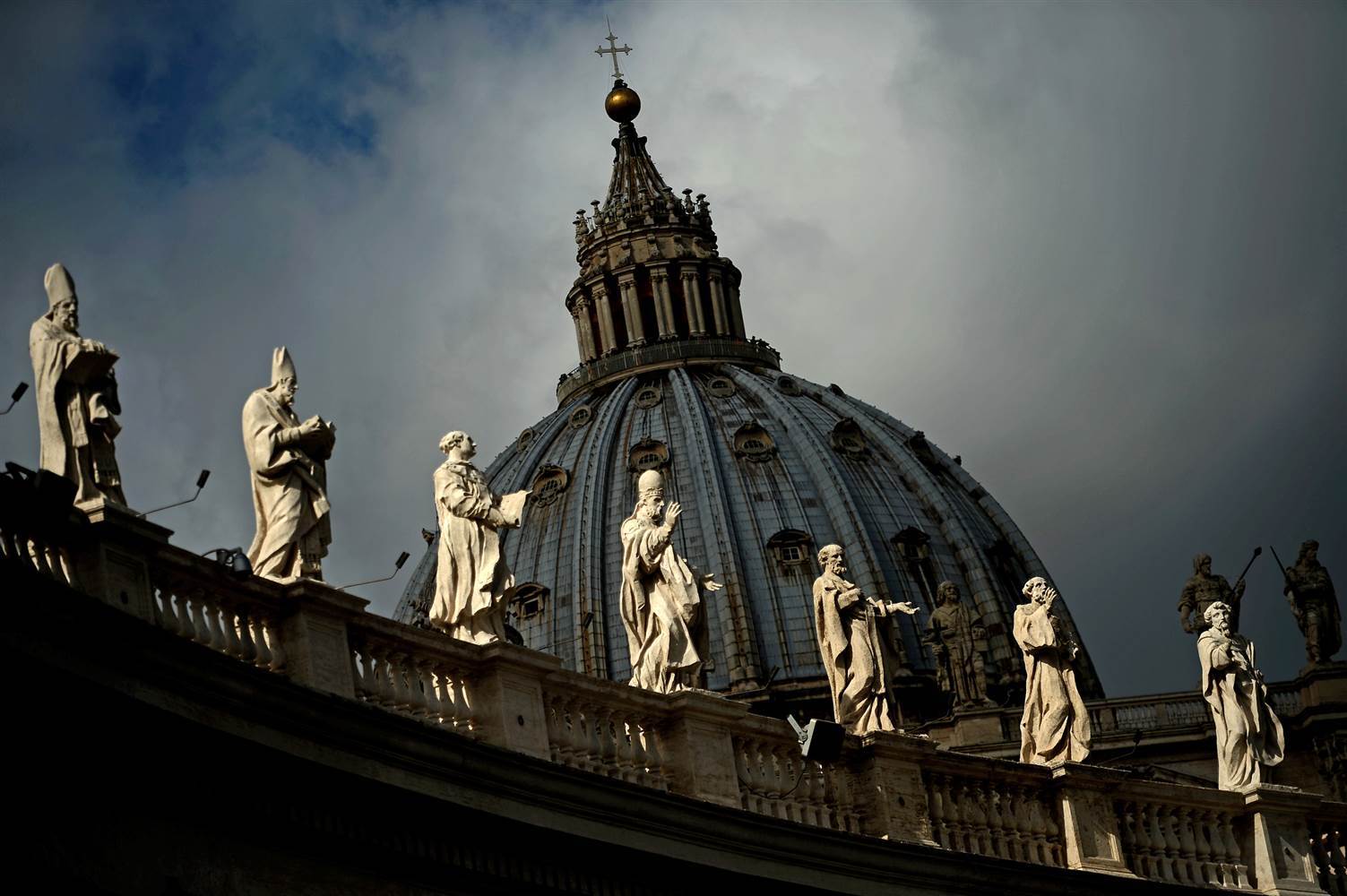
On this edition of Parallax Views, the ultra-conservative Catholic order Opus Dei has come under scrutiny due to the nomination of the devout Catholic Amy Coney Barrett to the Supreme Court after the passing Ruth Bader Ginsburg, Although Barrett is connected to similar order known as the People of Praise, Opus Dei has come up due to the connections of Attorney General Bill Barr and The Federalist Society's Leonard Leo, the latter of whom is a board members of the Opus Dei's Catholic Information Center and who played a role in getting Brett Kavanaugh and Neil Gorsuch nominated into the Supreme Court under President Trump. Mint Press News journalist Raul Diego joins us on this edition of the program to details why this matters and how the Opus Dei is connected to covert operation like Operation Gladio and Operation Condor that are tie together the Vatican, the mafia, and intelligence agencies like the CIA as outlined in Raul's recent article "The Court of God: How a Catholic Secret Society Took Over SCOTUS". He even manages to discuss how this saga ties into the scandal-prone Deutsche Bank through the figure of Herman Abs. Incidentally, Deutsche Bank has come under scrutiny in recent weeks due to the leaked FinCEN files.
Raul also give his take on what he considers the more insidious implications of the COVID crisis in regards to the potential of the crisis being exploited for the furtherance of the surveillance state society that has grown since the Bush era War on Terror after the 9/11 terrorist attacks in 2001. In this regard I'm not sure that Raul and I are in complete agreement, but I do see the dangers of increased digital surveillance being normalize during the pandemic in a way that will not be reversed when it ends. Additionally, Raul and I also discuss his latest article "From British Israelism to the Miami Model: What’s Behind QAnon’s 2020 Resurgence?". Raul makes the case, much like Robbie Martin of Media Roots Radio, that QAnon is a sophisticated operation meant to stifle free speech in a "Strategy of Tension" that use's the phenomena's true believers as useful idiots. In other words, Raul believes that QAnon, which he ties into the bizarre antisemitic ideas of British Israelism (which is a belief that Anglo-Saxons are the true Jews and the real "Chosen People"), is a manufactured revolt designed by the very deep state it claims to oppose. And, as it turns out, figures like Richard Grenell, Former Acting Director of the United States National Intelligence, are boosting QAnon accounts on social media. In this regard Raul and I discuss the work of investigative journalist Gary Webb and how it created a fertile environment of independent journalists who threaten what has more or less been called "The Establishment". All that and more on this edition of Parallax Views!
EDIT: Due to my busy schedule and how hard I've been working I made a rather ridiculous mistake in the outro... I called Raul Diego "Raul Julia"... yes, the famous actor. Oh well, bloopers are part of the fun.
This Episode Brought to You By:
The War State:
The Cold War Origins of the Military-Industrial Complex and the Power Elite, 1945-1963
by
Michael Swanson
of
The Wall Street Window
Oct 5, 2020
Oct 5, 2020
59 min
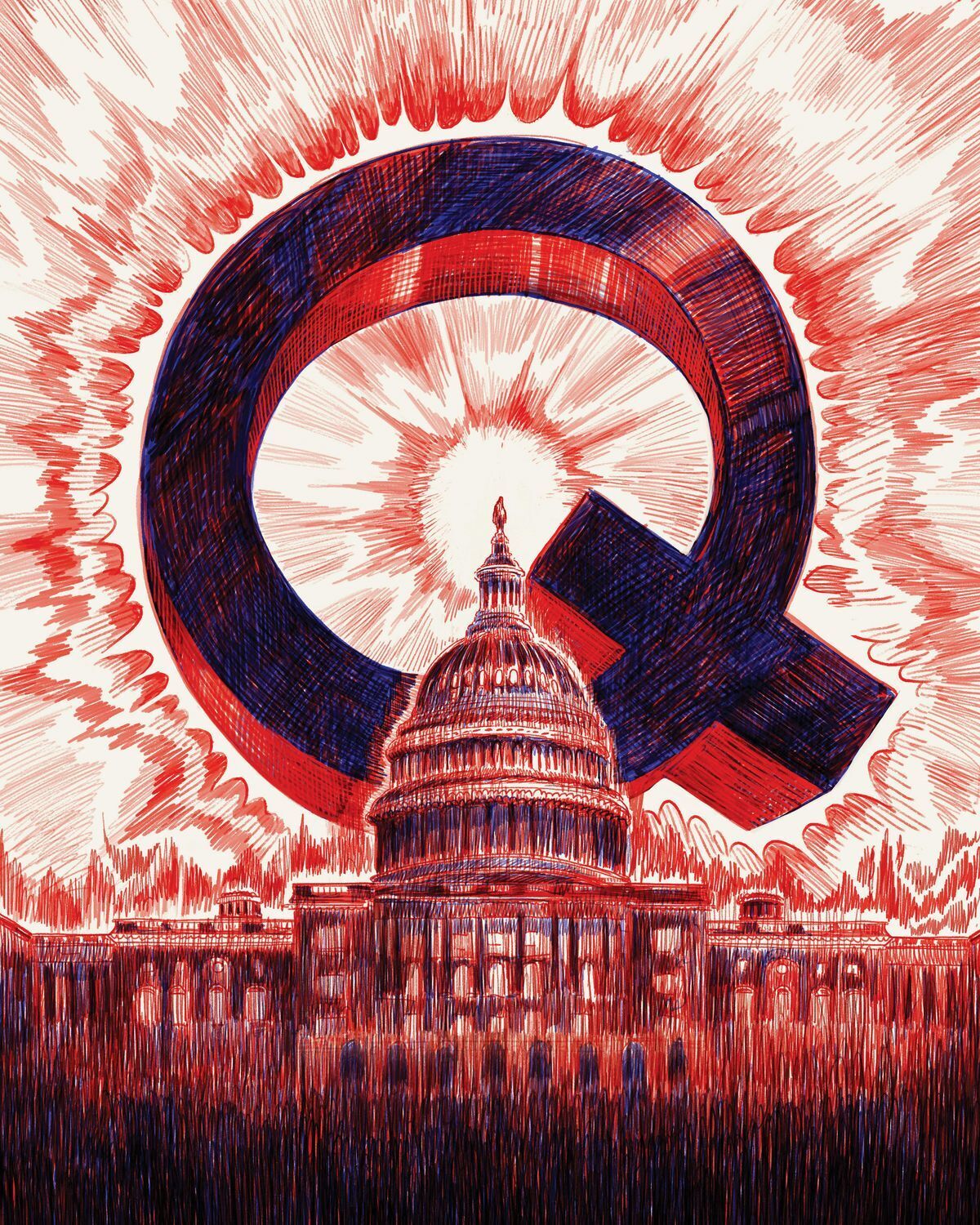
On this edition of Parallax Views, Robbie Martin of Media Roots joins us to discuss his recent podcast series on the history of Freemasonry in America as well as his thoughts on the QAnon phenomena. In Robbie's estimation, QAnon seems to be a political, or perhaps even intelligence, operation. But to what end? Find out on this edition of Parallax Views!
Among the topics covered:
- Is the history of Freemasonry in the U.S. is more interesting than the sensationalist interpretations of Masonic figures like Alex Jones? Robbie thinks so!
- Anti-Masonry and the Anti-Masonic Party in the U.S. and the disappearance of William Morgan; the Catholic Church Vs. Freemasonry
- How the sensationalism around fraternal organizations and secret societies actually undermines the fact that such organizations can potentially create networks of privilege and preferential treatment
- What is going on with QAnon? Is it a psyop? What effect will it have on the stifling of information on the internet?
- 8chan whistleblower Frederick Brennan and 8chan owner Jim Watkins, who has been discussed as the pivotal figure in pushing QAnon. Is there more to it than Watkins?
- How the concept of the "deep state" has been denigrated by QAnon's nonsense; the Grand Unified Conspiracy subculture under QAnon... QAnon's followers infiltrating everything from UFO subculture to the 9/11 Truth Movement
- The damage that QAnon and figures like Alex Jones have had on skepticism of intellectual and academics critiques of government, imperialism, etc.
- Figures like former CIA Bin Laden Unit head honcho Michael Scheuer and Tom Clancy ghostwriter/former State Department figure Steve Pieczenick; Bin Laden's niece, Noora Bin Laden, is a QAnon supporter?
- QAnon after Trump has gotten COVID; belief of some QAnon supporters that Trump is faking illness to bring about "The Storm" and the arrest of Hillary Clinton; Q's posts, called "Q Drops" becoming lazier and more akin to your average electoral conspiracy theories rather than the more outlandish theories that QAno's WWG1WGA army has become used to devouring
- Russiagate and QAnon; does QAnon strive off energy from Russiagate; the Israeli private intelligence firm Psy Group and its relationship to the Trump-Russia story; Trump aggressing Russia ahead of arms treaty expiring; Russian bounties story
- The faux populism and the big money (or dark money) behind the American Right and Trumpism
This Episode Brought to You By:
The War State:
The Cold War Origins of the Military-Industrial Complex and the Power Elite, 1945-1963
by
Michael Swanson
of
The Wall Street Window
Oct 4, 2020
Oct 4, 2020
1 hr 10 min
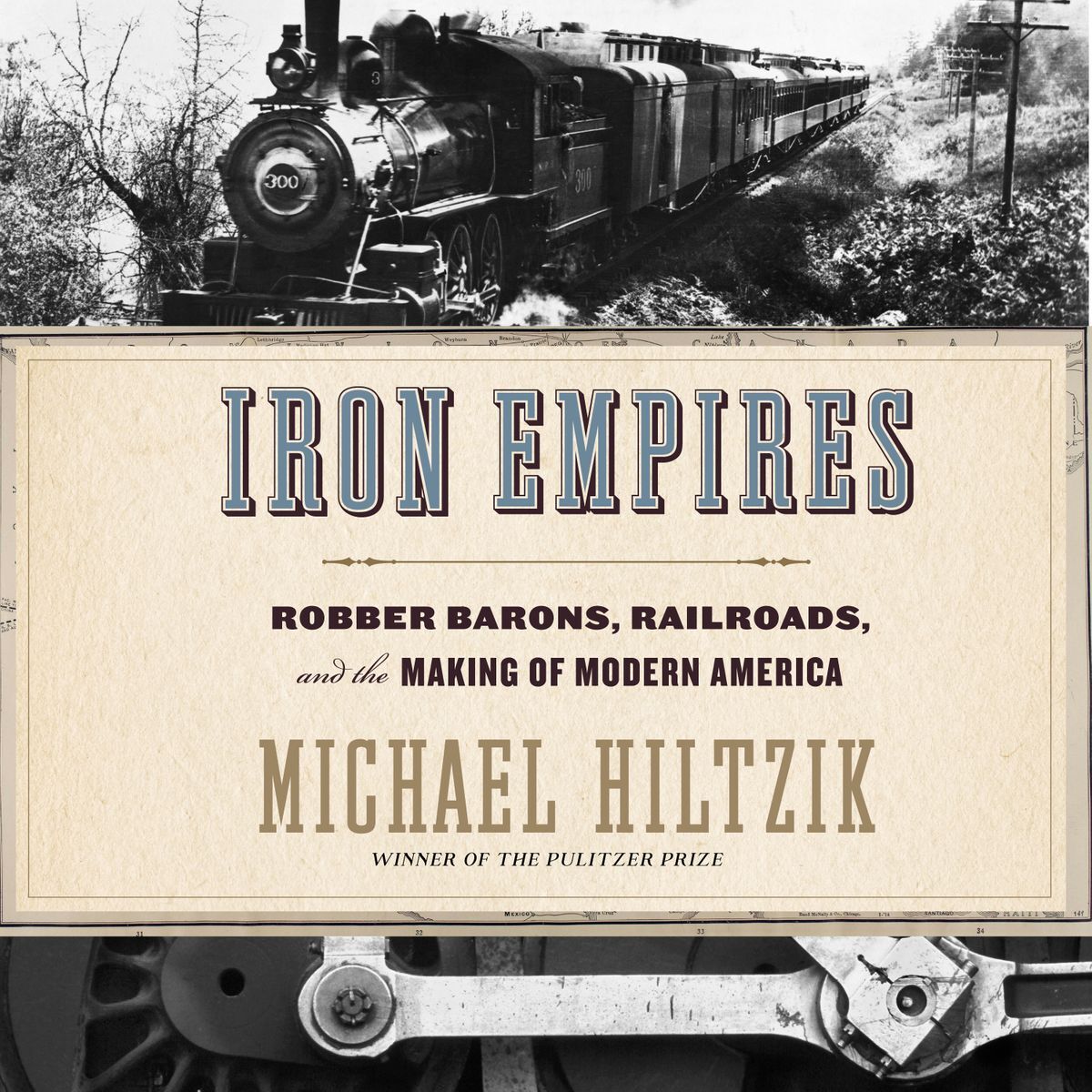
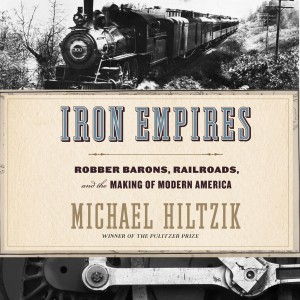
On this edition of Parallax Views, sometimes it is necessary to examine the historical past to understand our present. For example, the current moment of rapidly increasing economic inequality that has colored the opening salvo of the 21st century appears to have a great deal in common with the "The Gilded Age" of the 19th and 20th centuries. Pulitzer Prize winning journalist Michael Hiltzik, author of Iron Empires: Robbers Barons, Railroads, and the Making of Modern America, joins us on this edition of Parallax Views to explain how the U.S. railroad pioneers, or robber barons as their critics called them, like Cornelius Vanderbilt, E.H. Harriman, and J.P. Morgan gave birth to America's "Gilded Age" and the ways in which figures like Jeff Bezos and Mark Zuckerberg may be their 21st century equivalents in a "New Gilded Age". In addition to discuss this fascinating topic we also discuss, in the closing ten minutes of the program, Michael's thoughts on the state of journalism today.
Among some of the issues covered in this conversation:
- What was "The Gilded Age"? How figures like the American novelist Mark Twain criticized power during this era
- How railroads were thought of in the 1800s; skepticism towards boosters of the railroad system back then (ie: being seen as a con job or a grift) and how, on the other hand, the railroads were seen as a technological marvel at the time; the Transcontinental railroad and it's significance; the "Golden Spike"
- The "scoundrel" Daniel Drew and his role in the early history of the Iron Empires referred to in the title of Michael's book
- The Union Pacific's Crédit Mobilier scandal involving railroad money's influencing of politics in D.C. through bribery
- The Bradley-Martin Ball and the excesses of the super-wealthy in the late 1800's as society's less fortunate struggled
- The role of the railroad barons in the economic crashes throughout the latter 1800s and before the Great Depression of the 1930s
- The Great Man Theory of History and whether or not it is applicable in describing the railroad barons
- The personality and beliefs of J.P. Morgan
- The role that figures like Theodore Roosevelt and Eugene V. Debs had in combating the railroad barons and their excesses
- The social changes brought upon by the railroad system including how it changed things for American women
This Episode Brought to You By:
The War State:
The Cold War Origins of the Military-Industrial Complex and the Power Elite, 1945-1963
by
Michael Swanson
of
The Wall Street Window
Oct 2, 2020
Oct 2, 2020
44 min
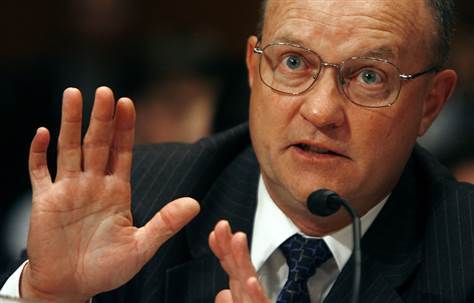
On this edition of Parallax Views, we welcome a guest that has an inside track within the beltway. Namely, Ret. Col. Lawrence B. Wilkerson. For the unfamiliar, Col. Wilkerson served as the Chief of Staff under Secretary of State Colin Powell during the George W. Bush administration. He also served 31 years in the U.S. army and teaches as an adjunct professor of government and public policy at the College of William & Mary. Since retiring from the military Wilkerson has been an outspoken critic of the Iraq War as well current U.S. foreign policy in other parts of the Middle East and around the world. Right now, he is working with the Transition Integrity Project, among other groups, to "War Game" possible scenarios in which the 2020 Presidential election doesn't end with a peaceful transition of power.
Among the topics covered:
- The Transition Integrity Project (TIP) and possible scenarios that could cause chaos in the immediate aftermath of the general election. Is Trump not allowing a peaceful transition of power just alarmism? What are the simulations, or what the press calls "War Games", done by the TIP and what insights can it give us about human decision making processes in relation to governance?
- Col. Wilkerson mention Bill Barr's Christianity conservatism (or is it Christian Nationalism?) and groups like the conservative Catholic sect Opus Dei. What does it mean for U.S. governance? Thoughts on Steve Bannon, Hillsdale, and more
- What is the relationship between the past and the Age of Trump present? What role do the Presidencies of Bill Clinton, George W. Bush, etc. have in laying the groundwork for the Donald Trump White House. Predatory capitalism and the endless war state.
- What to make of foreign policy under Trump? What is the state of foreign policy in the U.S. and relations with North Korea, Iran, Russia, etc. The Trump administration's "Maximum Pressure" campaign on Iran and the fallout it will likely create in our relationship with Iran. The ruination of agreements under Trump, the Venezuelan regime change efforts, and Trump's threatening of Russia.
- President Barack Obama's foreign policy, Col. Wilkerson's telling experience with Obama, Obama and his National Security Advisor Ben Rhodes vs. the Washington, D.C. foreign policy "Blob" and the "D.C. Playbook"; the foreign policy consensus within the beltway and its pro-war bias
- What is the extent of foreign influence on U.S. foreign policy, for example Israel and the Kingdom of Saudi Arabia? The strange alliance between Christian Zionists and Israel; the belief in end-times prophecy that drives Christian Zionists like Pastor John Hagee
- The relationship between Iran and the U.S.; why can't the U.S. and Iran have a non-hostile relationship?; the role of the UAE, Saudi Arabia, Kuwait, and other countries in the hostile relationship between Iran and the U.S.; influencing buying and money; is their any possibility of a non-hostile relationship with Iran in the future after Trump's dismantling of the Iranian nuclear deal?; Wilkerson's view, based on experience, that Iran is extremely rational and willing to work out a decent relationship
- The New Cold War with China? Nuclear weapons and China; we are at a moment where science can identify and fix our problems... but if we don't take that opportunity it may spell our peril.
This Episode Brought to You By:
The War State:
The Cold War Origins of the Military-Industrial Complex and the Power Elite, 1945-1963
by
Michael Swanson
of
The Wall Street Window
More About Parallax Views:
Over 1 million unique downloads!
Over 950+ episodes!
Ranked in the Top 100 Podcasts Covering "Armed Conflicts" by MillionPodcasts!
As featured in The Daily Dot:
Featured in the academic study of podcasts and podcast culture, The Podcaster's Dilemma:
Decolonizing Podcasters in the Era of Surveillance Capitalism
by Nicholas Brahmin II & Nolan Higdon